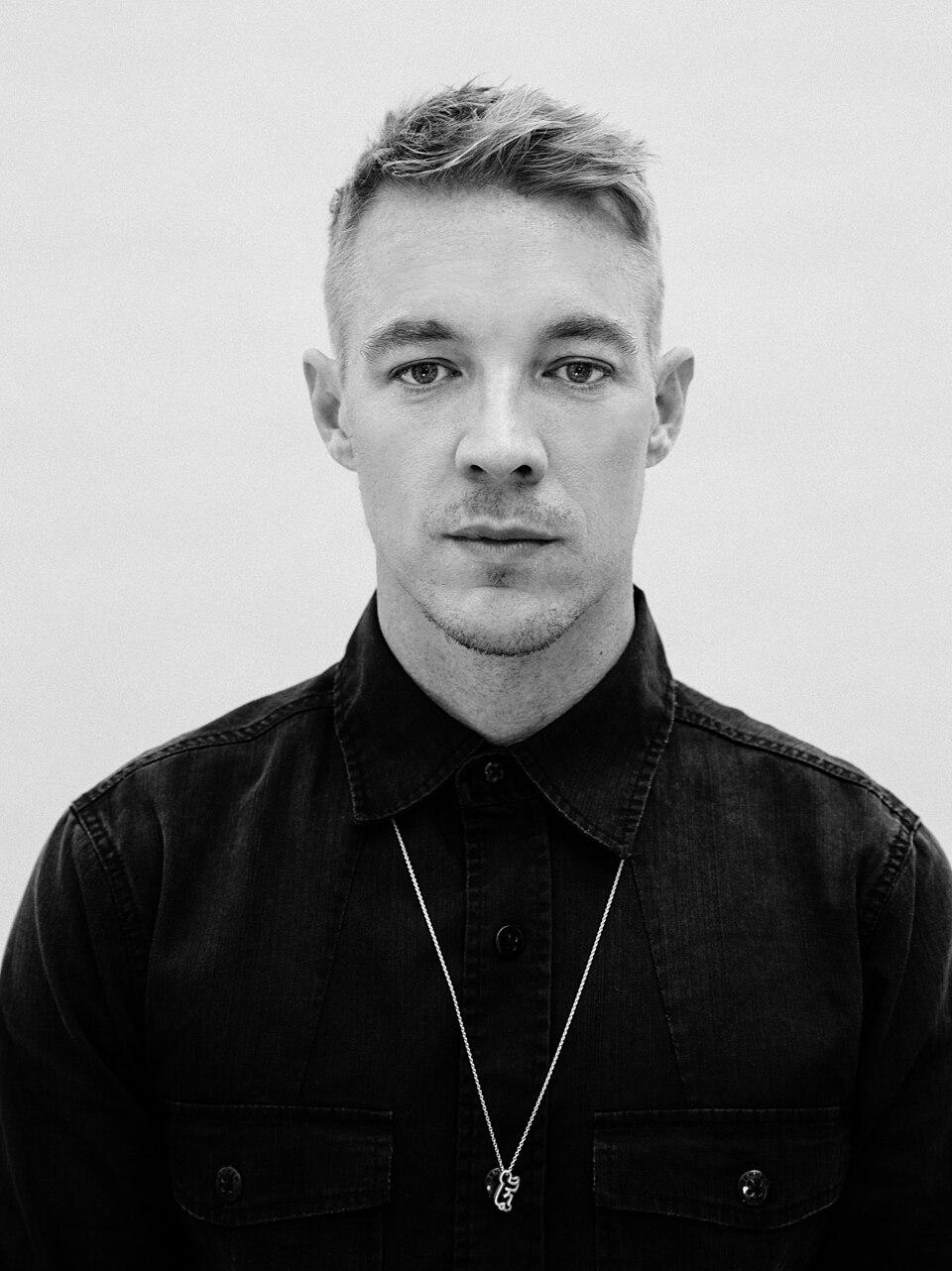
How did Diplo reshape the global sound map?
In an industry that changes faster than ever, occasionally a name appears that doesn’t just ride the wave, but redraws it. Over the past two decades, Diplo has not only been a successful DJ and music producer making chart-topping tracks, but also a strategist reshaping the global commercial sound landscape. From the underground scene in Philadelphia to the biggest festival stages worldwide, he followed a clear plan: breaking cultural barriers and re-presenting local rhythms in a globally accessible format.
This profile tracks his journey from roots to peak and analyzes why he is considered one of the most influential trendsetters in contemporary music.
Metadata
Full Name
Thomas Wesley Pentz
Date of Birth
November 10, 1978
Age
47 years old (as of 2026)
City & Upbringing
Born in Tupelo, Mississippi, raised in Miami, Florida, and launched his career from Philadelphia, USA.
Occupation
Music Producer
DJ
Songwriter
Record Label Founder
Religion
Does not publicly declare his religious beliefs.
Music Genres
EDM
Dancehall
Reggaeton
Hip-Hop
Pop
Country
Record Label
Mad Decent
Early Life & Background: Formation Before Fame
Diplo didn’t come from a traditional academic music background. He studied at University of Central Florida and then moved to Temple University in Philadelphia. There, it was not the classrooms but nightlife and the local hip-hop scene that shaped his identity. He founded Hollertronix parties which mixed hip-hop and Southern bounce music—a previously uncommon combination.
This early blending of seemingly distant styles became the foundation of his musical philosophy: there are no fixed boundaries between genres, only energy that can be reshaped.
His upbringing in Miami also played a key role; the multicultural city gave him an ear for Latin and Caribbean rhythms, which would later become evident in his work.
Career Beginnings: From Fringe to Spotlight
His first solo album was Florida in 2004, presenting an experimental electronic vision. The real breakthrough came with his early collaboration with British artist M.I.A., producing tracks that put his name on the industry map.
In 2006, he founded Mad Decent, not just a label but a cultural platform to export street music to the commercial market. Through it, he supported artists from diverse backgrounds and helped spread new sounds beyond traditional American borders.
Transition from Underground to Global
Diplo’s rise was no accident but a deliberate strategy:
instead of seeking solo stardom alone, he created collective projects with independent identities.
Major Lazer: Global Explosion
The founding of Major Lazer in 2009 was a turning point. The project blended Dancehall and electronic pop, reaching a worldwide audience, especially with hits like “Lean On,” achieving record-breaking streams and views.
Here, Diplo appeared as a producer understanding the digital market: relatively short track, strong hook, globally danceable rhythm.
Jack Ü: Critical Acclaim
In 2013, he formed the duo Jack Ü with Skrillex. The project combined two different EDM styles, resulting in global success and a Grammy award.
This project didn’t just enhance his popularity but also gave him critical weight within the industry.
Silk City: Expanding into Contemporary Pop
In collaboration with Mark Ronson, he created Silk City, reviving the spirit of disco and house in a modern format, achieving major success with the track “Electricity.”
Thomas Wesley: Country Adventure
Under the name Thomas Wesley, he entered the country music world, showing that his diversity is not a passing experiment but a strategic move to break traditional genre classifications.
Artistic Work & Role
Diplo is not a traditional singer but a sound engineer.
His roles include:
-
Full music production
-
Songwriting and co-writing
-
Distribution and execution
-
Building the project’s sonic vision
-
Choosing the right collaborations
He is often the mastermind behind the work, even if not in the spotlight.
Musical Style: Sound Analysis
His style relies on:
-
Clear, danceable rhythm
-
Strong bassline
-
Memorable hook
-
Blending multiple cultural elements
Unlike producers like Calvin Harris who focus on pure electronic structure, or David Guetta leaning toward explicit pop, Diplo stands out for adding unexpected cultural elements into his tracks.
Notable Collaborations
He worked with a long list of stars, including:
-
Beyoncé
-
Justin Bieber
-
Dua Lipa
-
Bad Bunny
The perennial question:
Does the star make the song, or the song make the star?
The answer