
Beetroot is rich in natural nitrates, which convert into nitric oxide in the body, helping to dilate arteries and improve blood flow, directly affecting blood pressure. It also provides fiber, potassium, and antioxidants that reduce inflammation and protect cells.
Best preparation methods to maximize benefits:
-
Raw Beetroot:
Consuming it grated or thinly sliced preserves natural nitrates, folate, and B vitamins. Add it to salads or mix with lemon juice for easier digestion. Soaking in natural acidic juice softens it without losing nutritional value. -
Steamed Beetroot:
Steaming retains antioxidants and potassium, while providing a soft texture that’s easier to digest. Serve as a side dish or mix with whole grains. -
Roasted Beetroot:
Roasting with the skin keeps nutrients intact and enhances flavor. Adding olive oil helps absorb fat-soluble vitamins like A and E, which support immunity and cell health. -
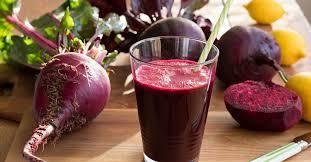
Beetroot Juice:
Provides a concentrated dose of nitrates that can quickly lower blood pressure. Mix with other vegetables to compensate for lost fiber and maintain blood sugar balance and gut health. -
Beet Greens:
Rich in calcium, iron, fiber, and antioxidants. Sauté briefly or add to soups and grain dishes to support heart and bone health.
Incorporating beetroot in different forms helps improve vascular flexibility and maintain healthy blood pressure levels.
For more details and latest news, follow Misr Connect