
Pickles are a common staple on Ramadan iftar tables, appreciated for their strong flavor and appetite-stimulating effect. However, consuming them in large amounts after long fasting hours may negatively impact overall health.
Here are eight potential health risks linked to excessive pickle consumption during Ramadan:
1- High Blood Pressure
Pickles are high in sodium, which can raise blood pressure, particularly in individuals with heart conditions or hypertension risks.
2- Fluid Retention
Excess sodium causes the body to retain fluids, leading to bloating and swelling in the extremities.
3- Increased Thirst
A high salt intake elevates sodium levels in the body, increasing thirst during the following fasting hours.
4- Stomach Irritation
Pickles may irritate the stomach lining and cause heartburn, especially when eaten on an empty stomach after fasting.
5- Kidney Strain
Large amounts of salt put additional stress on the kidneys, posing risks for people with kidney problems or a related medical history.
6- Weight Gain
Some commercial pickles contain preservatives and additives that may influence appetite control and contribute to overeating.
7- Dental Erosion
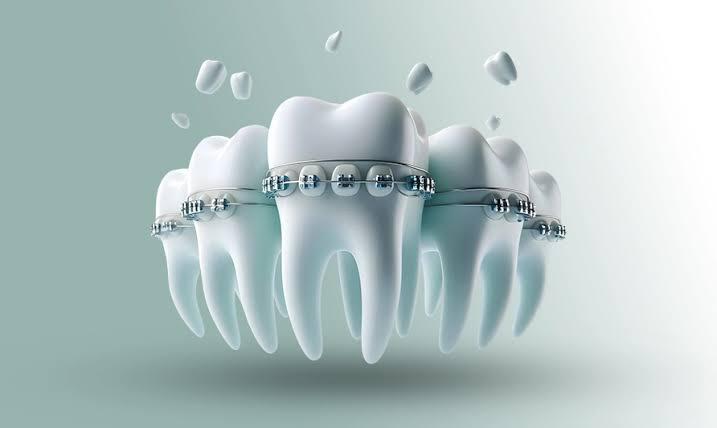
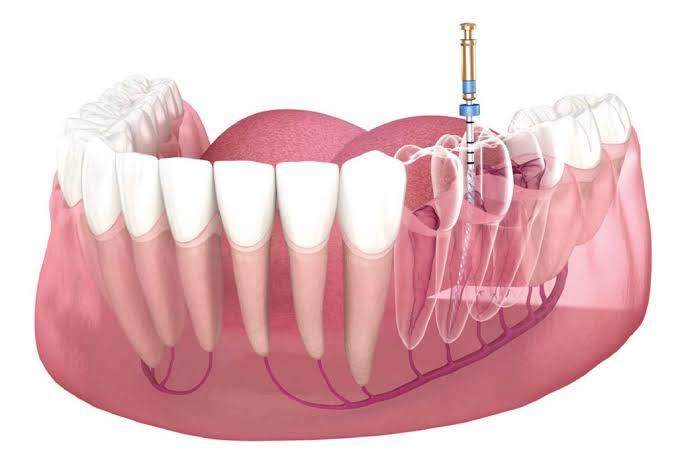
The acids used in pickling can gradually weaken tooth enamel with frequent consumption.
8- Electrolyte Imbalance
Excessive intake may disrupt sodium and potassium balance, potentially causing headaches and fatigue.
Health experts recommend consuming pickles in moderation, maintaining adequate hydration, and following a balanced diet throughout Ramadan.
For more details and the latest news, follow Misr Connect