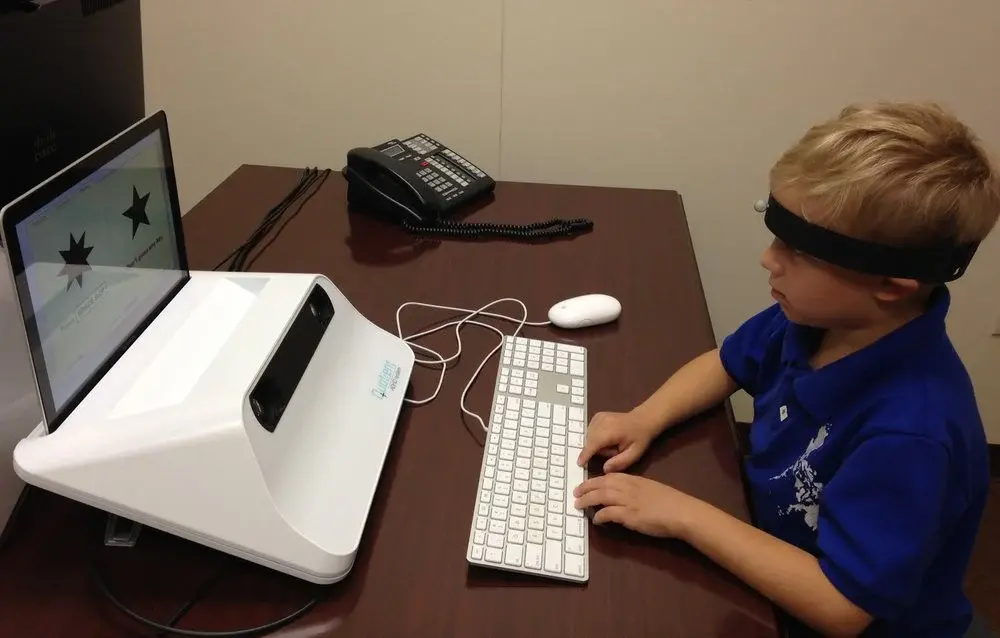

A recent study has found that individuals suffering from treatment-resistant depression may experience noticeable symptom improvement in as little as five days through an accelerated form of transcranial magnetic stimulation (TMS).
TMS is a non-drug therapy that delivers low-intensity magnetic pulses to targeted brain regions, aiming to regulate neural activity linked to mood disorders.
Traditionally, patients receive one session per day, five days a week, for about six weeks. This standard protocol has shown symptom improvement in up to 70% of patients, with approximately one-quarter achieving sustained remission.
However, researchers from a UCLA-affiliated health center tested an accelerated protocol involving five sessions per day over five consecutive days. The study included 175 participants with treatment-resistant depression. While 135 individuals underwent the conventional schedule, the remaining participants received the intensive approach.
Results indicated improvement in both groups based on standardized depression scales, with no statistically significant differences between the two methods. Notably, a subset of patients in the accelerated group demonstrated slightly faster symptom relief immediately after treatment.
Researchers suggest that this condensed therapy model may offer a practical alternative for patients unable to commit to long-term treatment schedules while still seeking effective, medication-free relief.
For more details and the latest updates, follow Masr Connect