Anti-Inflammatory Diet for Weight Loss – How It Works
Discover the anti-inflammatory diet and how it reduces inflammation, boosts metabolism, and supports healthy weight loss.

The anti-inflammatory diet focuses on whole, nutrient-rich foods that reduce chronic inflammation, a key factor in diseases like diabetes, heart disease, arthritis, and certain cancers.
Key Components:
-
Fresh fruits: berries, cherries, oranges.
-
Vegetables: leafy greens, broccoli, tomatoes.
-
Whole grains: oats, quinoa, brown rice.
-
Healthy fats: extra virgin olive oil, avocado, nuts, seeds, and fatty fish rich in omega-3.
-
Proteins: legumes, lean poultry, eggs, tofu.
How it aids weight loss:
-
Reduces calorie intake: Fiber-rich foods increase satiety and curb hunger hormones.
-
Reduces visceral fat: Omega-3 and antioxidants shrink fat cells and improve metabolism.
-
Improves insulin sensitivity: Balances blood sugar and prevents fat storage.
-
Supports gut health: Fermentable fibers feed beneficial bacteria, helping long-term weight management.
-
Lowers inflammation triggers: Avoiding sugars, trans fats, and processed meats reduces inflammatory cytokines and improves satiety signals.
Following this diet not only reduces inflammation but also helps with weight management, boosting immunity, and preventing chronic diseases. Studies show people can lose 5–10% of their body weight over time by adopting this eating pattern.
👉 For more details and the latest health news, follow Misr Connect

You may begin your journey of treating back pain by visiting a top physiotherapy center or undergoing spinal adjustment sessions, and initially feel significant improvement. However, symptoms often return—or even worsen over time.You may begin your journey of treating back pain by visiting a top physiotherapy center or undergoing spinal adjustment sessions, and initially feel significant improvement. However, symptoms often return—or even worsen over time.

How to care for teeth after braces is one of the most important stages after orthodontic treatment, as the post-braces phase is just as crucial as the treatment itself.
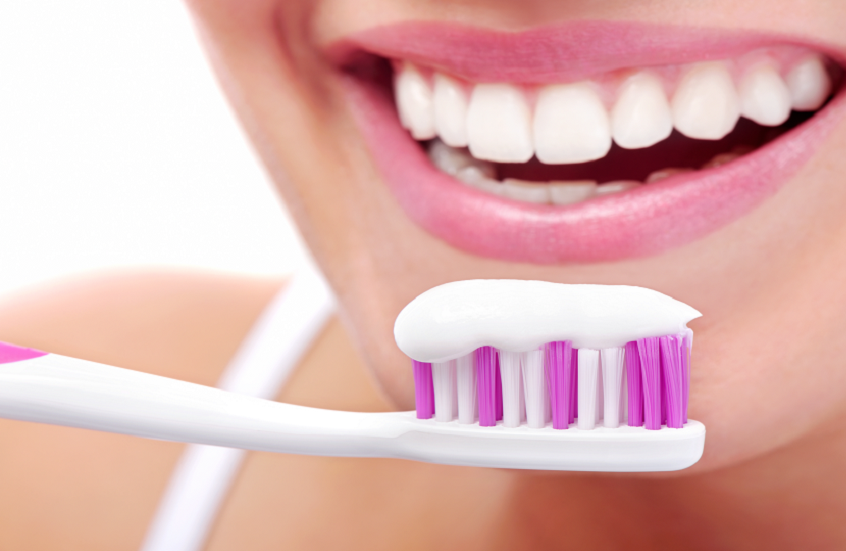
Choosing the best toothpaste by condition is not random, because every oral health problem requires a different type of care. A toothpaste that works for tooth sensitivity may not be the best option for cavities or gum disease.
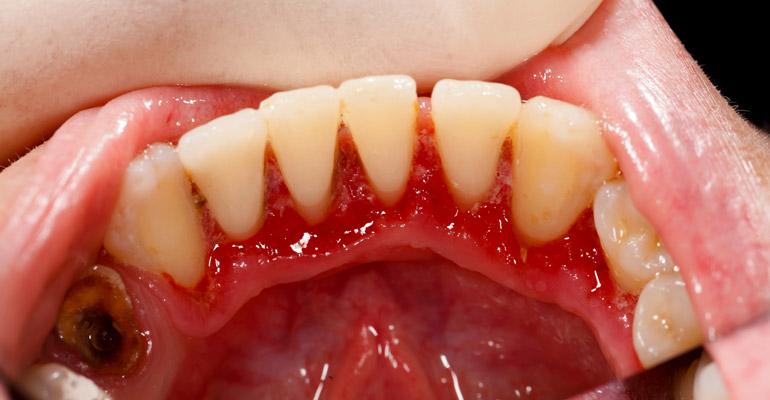
Gum problems and treatment is one of the most common topics in dentistry, as gum disease often starts mildly and progresses silently without obvious pain in the early stages, making many patients unaware until it becomes more advanced.
