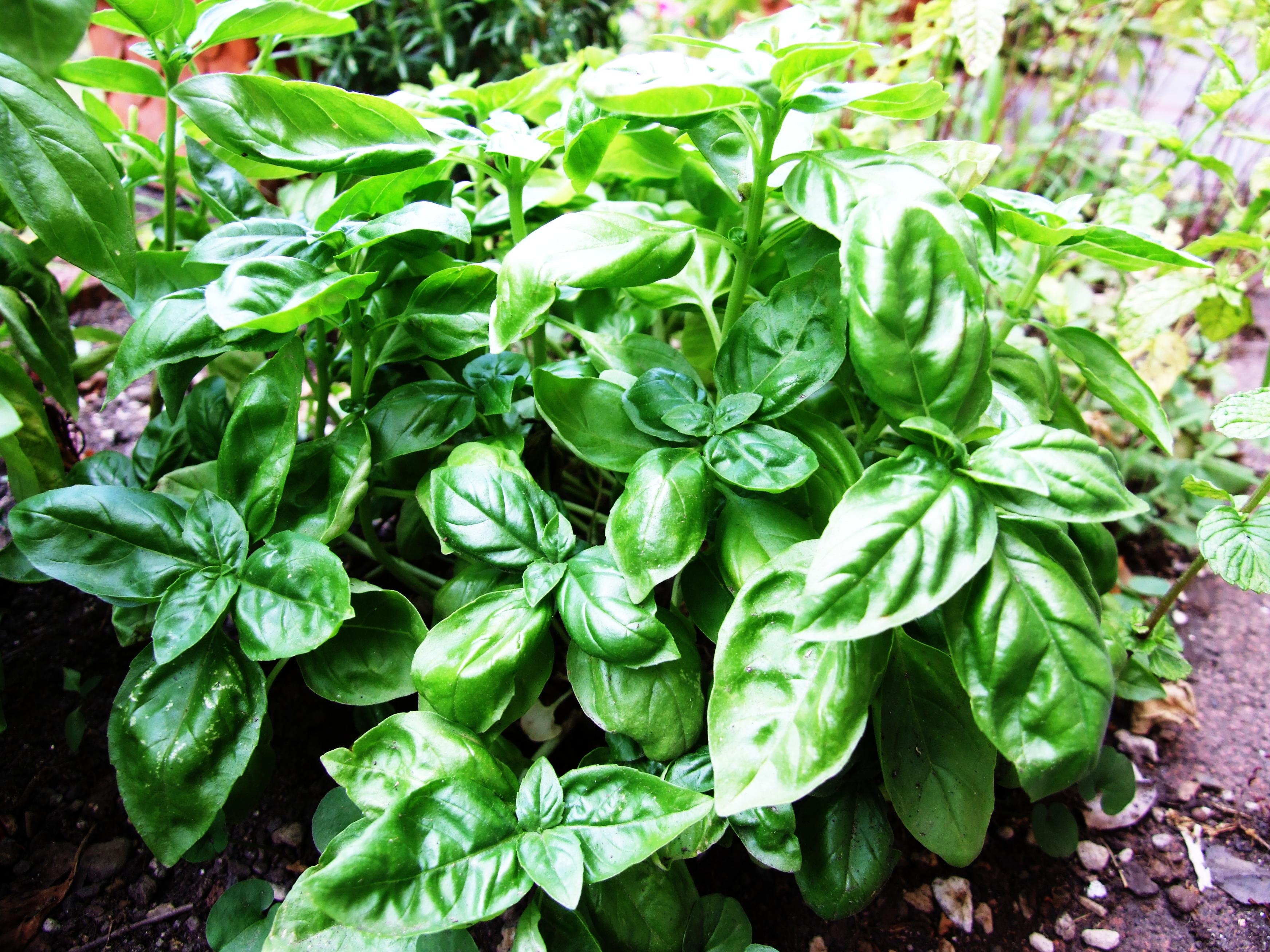

Basil is not just a green garnish for dishes, but a plant infused with natural healing power. Recent studies show that basil leaves contain essential oils and active plant compounds that support digestion, circulation, the nervous system, and the body’s immune defenses.
Basil stands out as a partner for immunity and respiratory health. Its antimicrobial and anti-inflammatory properties help relieve cold and flu symptoms and bronchial infections. The aromatic oils relax airway muscles, making breathing easier, reducing cough, and strengthening the body’s resistance to bacteria and viruses.
For digestion, basil helps regulate bowel movement and ease gas and cramps, bringing comfort to the stomach. Some of its compounds support liver function and metabolism, improving overall digestive health.
In terms of heart and circulation, basil helps relax blood vessels, supporting stable blood pressure. Its antioxidants protect arteries from free-radical damage and reduce the risk of early hardening.
Basil also reaches the mind and mood. Its natural compounds calm the nervous system, reduce stress, and improve sleep quality, whether taken as herbal tea or used as aromatic oil for relaxation.
It supports heart health and chronic disease prevention by lowering inflammation and reducing lipid oxidation in the blood, making it a valuable part of a healthy lifestyle.
Topically, basil has antiseptic properties that help heal minor wounds and soothe insect bites while reducing surface infection and irritation.
For weight management, basil has a mild diuretic effect that reduces fluid retention. Its calming nature may also help limit stress-related eating habits.
Its essential oils help relieve headaches through inhalation or gentle massage, and basil tea or gargle can reduce throat and mouth inflammation thanks to its antimicrobial action.
One of its key modern benefits is blood sugar regulation. Studies suggest basil supports insulin secretion and lowers glucose production in the liver, helping people with early blood sugar imbalance, while not replacing medical treatment.
Low in calories and rich in vitamins, minerals, and antioxidants, basil can be used fresh or dried in meals and herbal drinks, adding a quiet touch of nature’s wisdom to everyday health.
For more details and the latest updates, follow Misr Connect.