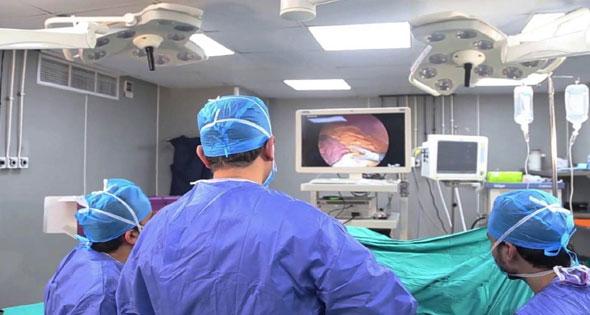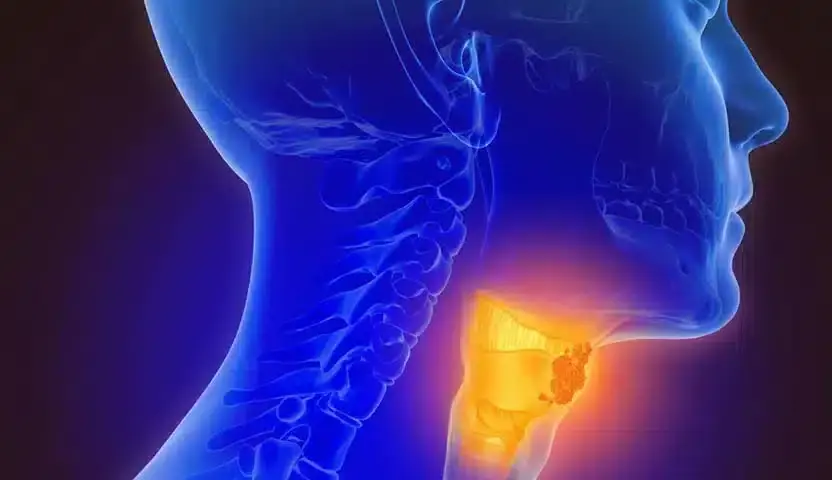

Seasonal changes can affect vision, with some individuals experiencing blurred or foggy sight during winter. Medical reports indicate that this may be linked to worsening cataract symptoms, not just aging.
How winter affects vision:
-
Shorter days and reduced natural light decrease visual contrast, highlighting lens cloudiness.
-
Indoor heating reduces humidity, causing eye dryness and discomfort.
-
Earlier evening activities increase glare and halos, making nighttime tasks like driving more difficult.
Early warning signs:
-
Difficulty seeing at night.
-
Persistent blurred or foggy vision.
-
Needing brighter light or bringing reading materials closer.
-
Trouble recognizing faces in dim light.
Cataracts vs. age-related vision changes:
Age-related changes usually improve with updated glasses or better lighting, while persistent blurriness, light sensitivity, night driving difficulties, and faded or yellowed colors indicate cataract progression.
Lifestyle tips to slow cataract progression in winter:
-
Maintain indoor humidity and stay hydrated.
-
Wear sunglasses with UV protection.
-
Manage chronic conditions like diabetes.
-
Follow a balanced diet rich in antioxidants.
-
Avoid smoking and ensure proper indoor lighting.
-
Schedule regular eye exams to monitor changes.
If vision problems persist or affect daily activities such as reading, driving, or recognizing faces, consult an eye specialist for early detection and appropriate care.
For more details and the latest news, follow Masr Connect.