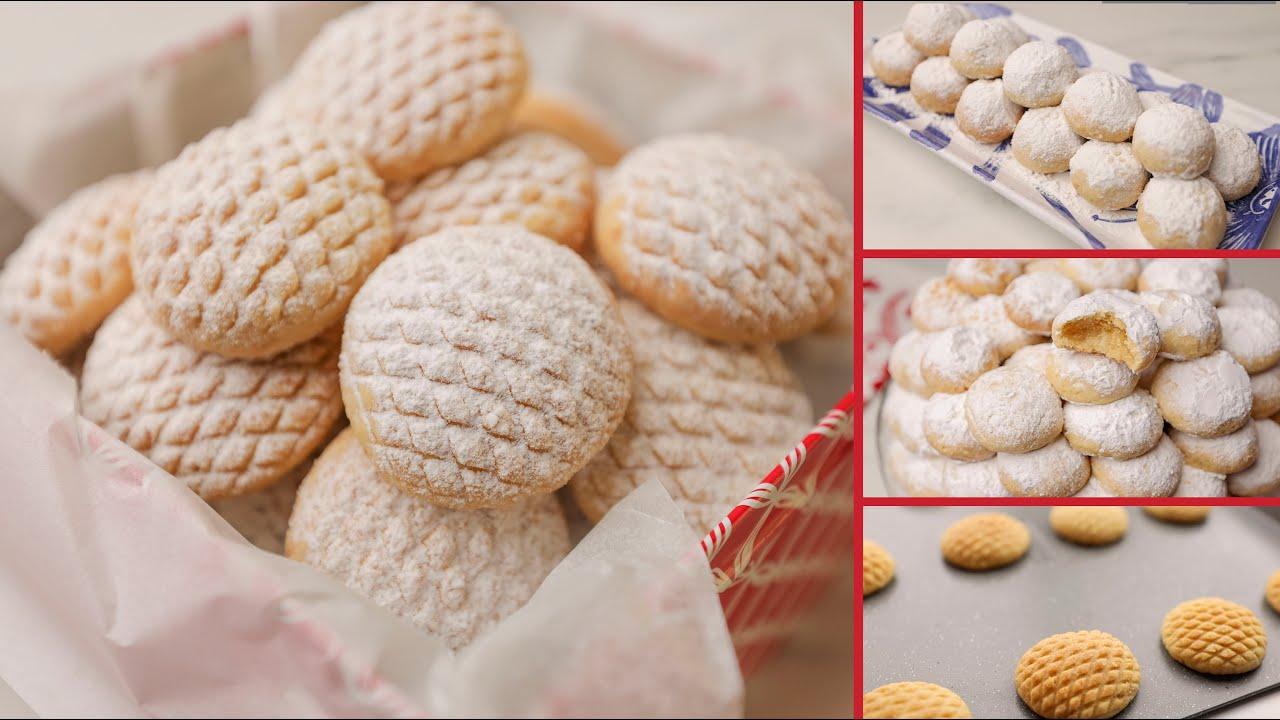

On Eid mornings, when the aroma of ghee and sugar fills the air like an old story being retold, Eid kahk takes center stage on Egyptian tables. It carries the joy of tradition, but also a significant amount of calories.
Experts explain that after a month of fasting during Ramadan, the body needs a gradual return to a regular diet. Introducing large amounts of sugars and fats suddenly can overwhelm the digestive system, leading to bloating and indigestion.
Calories in Eid Kahk
Estimates indicate that:
-
One piece of kahk ≈ 200 calories
-
Ghorayeba ≈ 150 calories
-
Biscuits ≈ 60 calories
-
Petit four ≈ 60 calories
-
Maamoul ≈ 200 calories
Thus, a simple serving can easily turn into a full high-calorie meal without noticing, exceeding the body’s daily needs.
What happens with overeating?
Excessive consumption of kahk does not pass lightly and may quickly lead to:
-
Weight gain due to high fat and sugar content
-
Digestive issues such as bloating and acidity
-
Feelings of fatigue after a rapid rise in blood sugar
How to eat Eid kahk without harm
To keep the holiday light for both body and mind, experts recommend simple habits:
-
Limiting intake to 2–3 pieces per day
-
Avoid eating it on an empty stomach
-
Eating it after lunch rather than before
-
Drinking plenty of water
-
Increasing intake of fruits and vegetables
-
Engaging in light walking to burn calories
Eid is not about how much we eat, but about balance that keeps joy lasting—without leaving a heavy impact on the body.
For more health updates, follow Egypt Connect.