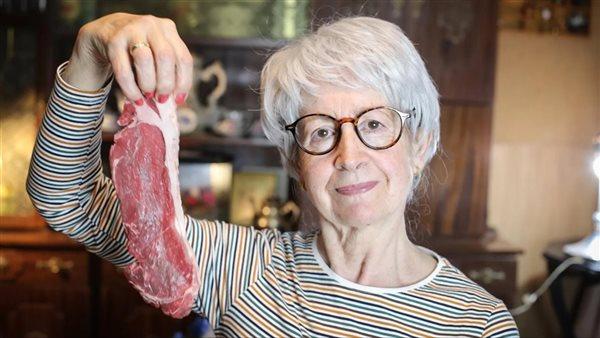

A recent scientific study has revealed surprising insights into the relationship between diet and Alzheimer’s disease, suggesting that meat consumption may play a protective role for certain elderly individuals.
The research followed thousands of participants over several years, analyzing their eating habits alongside cognitive health outcomes to better understand how diet influences brain function.
Findings showed that individuals with a genetic predisposition to Alzheimer’s who consumed lower amounts of meat were at a higher risk of developing dementia. In contrast, those who consumed higher amounts experienced slower cognitive decline and reduced risk levels.
These results highlight the growing importance of personalized nutrition, where dietary recommendations are tailored based on an individual’s genetic profile rather than applying a one-size-fits-all approach.
Researchers also emphasized the importance of meat type, noting that unprocessed meats were associated with better outcomes, while processed meats did not provide the same benefits.
Despite the promising findings, experts caution that the study is observational and does not establish a direct cause-and-effect relationship, calling for further clinical trials to confirm the results.
Ultimately, maintaining a balanced diet and considering individual health differences remains essential when making dietary choices.
For more details and latest news, follow Misr Connect