Chest Allergy in Children: A Practical Guide for Parents from the First Symptoms to Full Control
Chest allergy in children is one of the most concerning issues for parents, especially when coughing keeps recurring, a “wheezing” sound appears during breathing, or the child becomes tired with minimal physical effort. The problem is that many families deal with it as if it were just a common cold, which delays proper diagnosis and leads to more frequent and severe episodes.
This is where the importance of follow-up with a specialized pediatrician becomes clear—one who can accurately differentiate between a temporary cold and a chest allergy that requires a clear treatment plan, such as follow-up care with Dr. Ramez Badir Ramzy, Consultant of Pediatrics and Neonatology.
What Is Chest Allergy in Children?
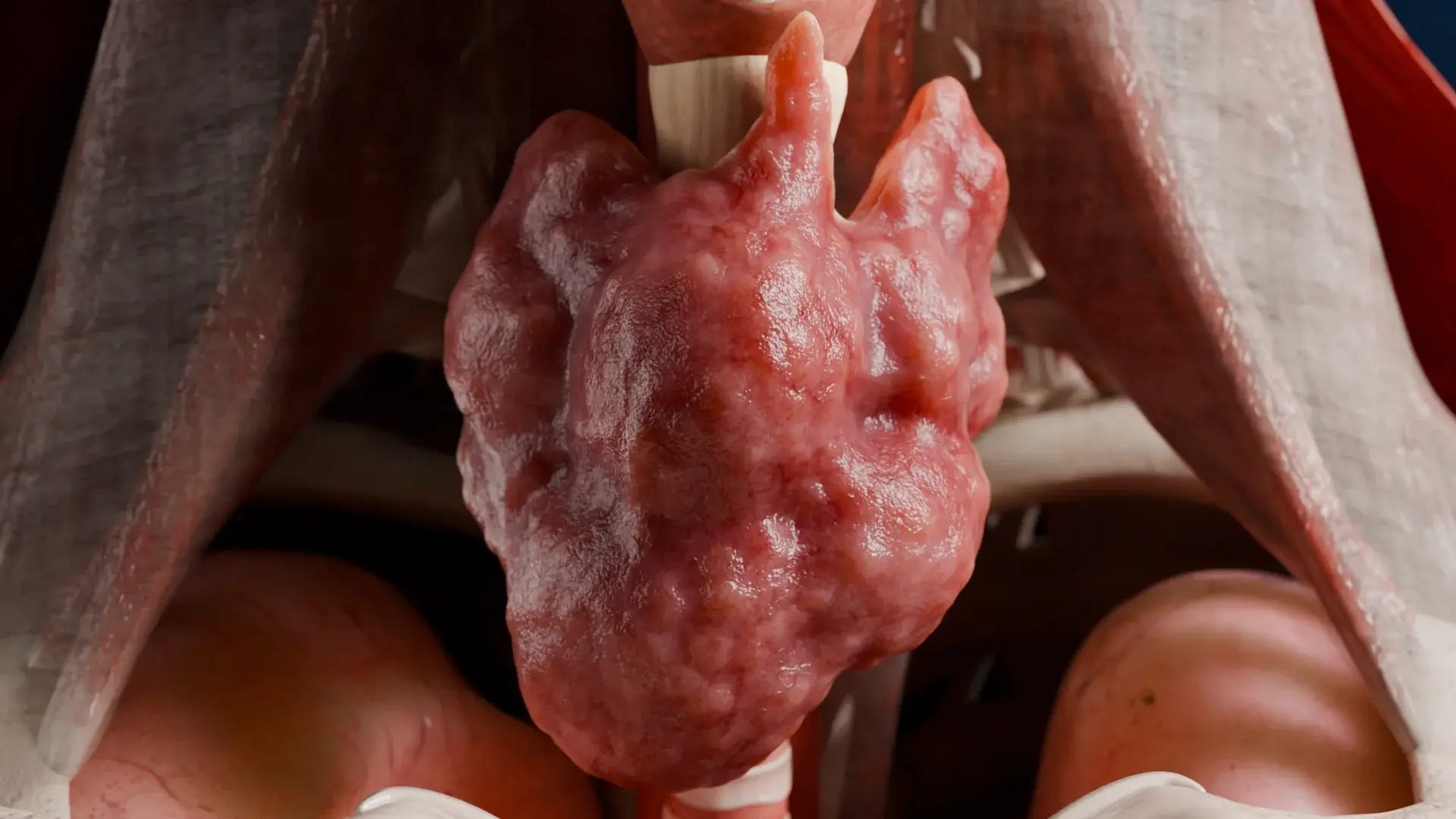
Chest allergy is a chronic inflammation of the airways that makes them more sensitive to external triggers. When exposed to irritants, the airways narrow, causing symptoms such as recurrent coughing, wheezing, shortness of breath, or rapid breathing.
In children, symptoms may not be present every day; they may appear only at night, during play, or with weather changes. Therefore, diagnosis depends on medical history, examination, and follow-up—not on a single symptom alone.
Chest Allergy Symptoms That Should Not Be Ignored
If you notice any of the following signs repeatedly, medical evaluation is necessary:
-
Persistent coughing, especially at night or early morning.
-
Clear wheezing during exhalation.
-
Shortness of breath or rapid breathing after minimal activity.
-
The child complaining of chest tightness or heaviness.
-
Recurrent episodes of coughing and wheezing after every cold.
-
Temporary improvement followed by a return of symptoms.
What matters most is the recurrence of symptoms, not just their severity in a single episode. Even if an attack is “mild,” repetition means the child needs a structured follow-up plan, not just temporary treatment.
The Difference Between Chest Allergy and the Common Cold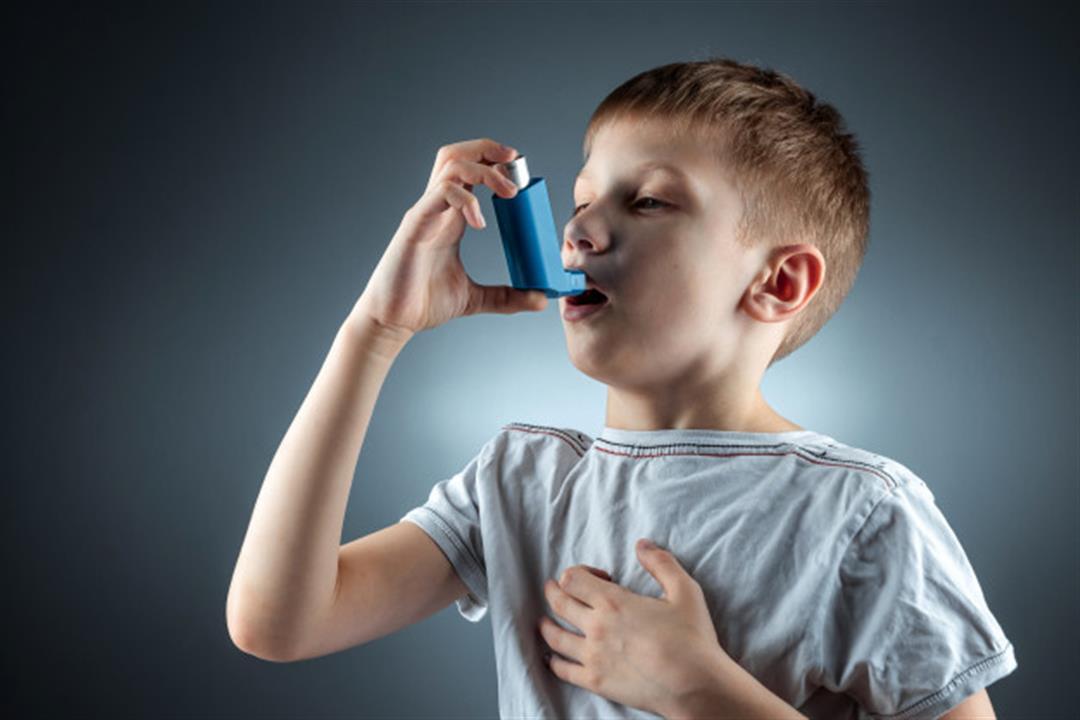
Many parents ask: “How can I tell if this is a chest allergy or just a cold?”
A practical rule:
-
The common cold usually improves within a few days.
-
Chest allergy tends to recur, especially with specific triggers (dust, smoke, strong perfumes, physical exertion, weather changes).
-
If a child keeps taking cold medications and the same symptoms return, reassessment from a chest allergy perspective is necessary.
Common Triggers of Chest Allergy in Children
Reducing triggers is a core part of treatment. The most common irritants include:
-
Dust and house dust mites.
-
Cigarette or shisha smoke.
-
Strong odors (air fresheners, harsh cleaning products).
-
Sudden weather changes.
-
Recurrent viral infections.
-
Animal dander in some cases.
Controlling the home environment can sometimes significantly reduce the number of attacks even before adjusting medications.
Can Newborns Have Chest Allergy?
Newborns may experience breathing problems, but not every breathing sound in an infant means chest allergy. This highlights the importance of pediatric and neonatal specialization, as evaluation during the first months of life requires great accuracy to rule out other causes such as reflux, respiratory infections, or conditions related to the postnatal period.
Therefore, early follow-up for any respiratory symptom in an infant is far better than waiting or relying on non-medical advice.
Treatment Plan: The Goal Is “Control,” Not Temporary Relief
Successful treatment of chest allergy does not rely only on stopping an attack when it occurs, but on reducing its recurrence in the first place. The plan usually includes:
-
Accurate assessment of the condition: symptom severity, frequency, and triggers.
-
An age-appropriate medication plan tailored to each child.
-
Training parents on the correct use of inhalation devices.
-
Regular follow-up to adjust doses based on improvement.
-
A clear home emergency plan: what to do at the first signs of an attack.
With proper commitment, most children can live a very normal life—sleep better, play freely, and attend school without constant suffering.
When Should You Go to the Emergency Room Immediately?
Do not wait in the following cases:
-
Severe difficulty breathing or very rapid breathing.
-
Bluish discoloration around the lips or extremities.
-
Inability to speak or feed due to shortness of breath.
-
Rapid deterioration despite usual emergency treatment.
-
Extreme lethargy or unusual fatigue.
Quick action in these situations is crucial to avoid serious complications.
Daily Tips for Parents to Reduce Attacks
-
Completely prevent smoking inside the house.
-
Ventilate rooms regularly and reduce sources of dust.
-
Wash heavy bedding and furnishings regularly.
-
Avoid strong perfumes and cleaning products near the child.
-
Stick to the treatment plan even during symptom-free periods.
-
Do not stop controller medications on your own just because symptoms have improved.
Conclusion
Chest allergy in children is not a sentence to a difficult life. It is a condition that requires proper understanding and continuous follow-up. The earlier the diagnosis, the easier the control, the fewer the attacks, and the better the child’s quality of life.
The real key is managing the condition with a long-term plan, not just temporary treatment during acute episodes.
If your child suffers from recurrent coughing, wheezing, or shortness of breath, early evaluation with a specialist in pediatrics and neonatology can help you reach an accurate diagnosis and a clear treatment plan from the beginning.
For booking and inquiries with Dr. Ramez Badir Ramzy
Consultant of Pediatrics and Neonatology
📞 01222178193
📍 230 Al-Haram Street – Giza (Zizinia Mall)
📍 Ramses branch also available