Children Count and Maternal Age: Key to Women’s Health and Longevity
A Finnish study finds that having two or three children between ages 24–38 improves health and extends life, while many children or none accelerate biological aging.

A recent Finnish study highlighted the impact of number of children and maternal age on women’s health and biological lifespan.
The research followed 15,000 women over decades, examining how family size and age at childbirth affect overall health and biological aging.
Key Findings:
-
Women with two or three children between ages 24 and 38 enjoyed better health and longer life.
-
Women with four or more children experienced faster biological aging and shorter lifespan.
-
Women who never gave birth also showed accelerated signs of aging, possibly due to health or lifestyle factors.
Researchers used blood tests and DNA analysis to determine true biological age, emphasizing that findings indicate trends rather than strict rules for reproductive decisions.
For more details and the latest medical news, follow Masr Connect

You may begin your journey of treating back pain by visiting a top physiotherapy center or undergoing spinal adjustment sessions, and initially feel significant improvement. However, symptoms often return—or even worsen over time.You may begin your journey of treating back pain by visiting a top physiotherapy center or undergoing spinal adjustment sessions, and initially feel significant improvement. However, symptoms often return—or even worsen over time.
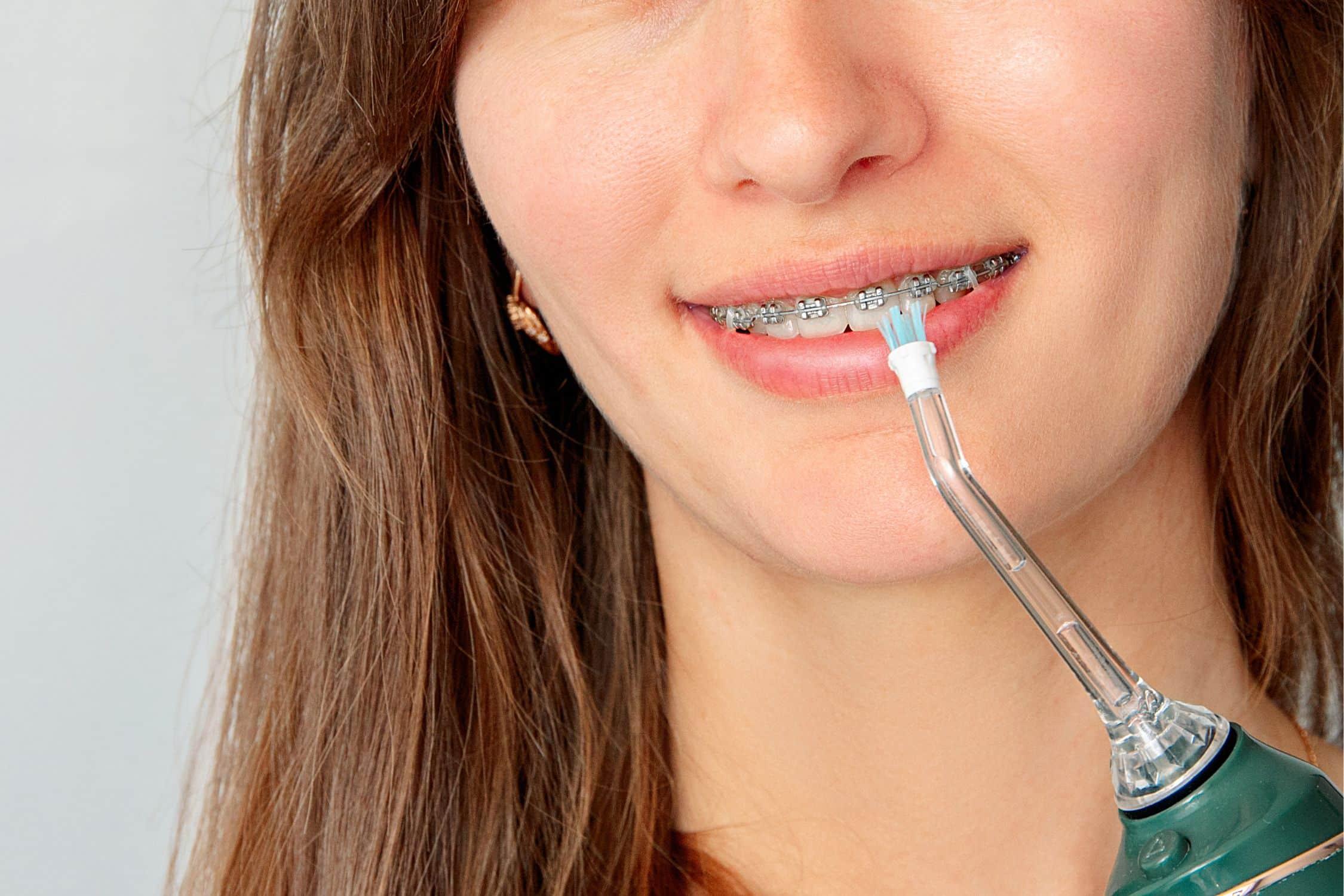
How to care for teeth after braces is one of the most important stages after orthodontic treatment, as the post-braces phase is just as crucial as the treatment itself.
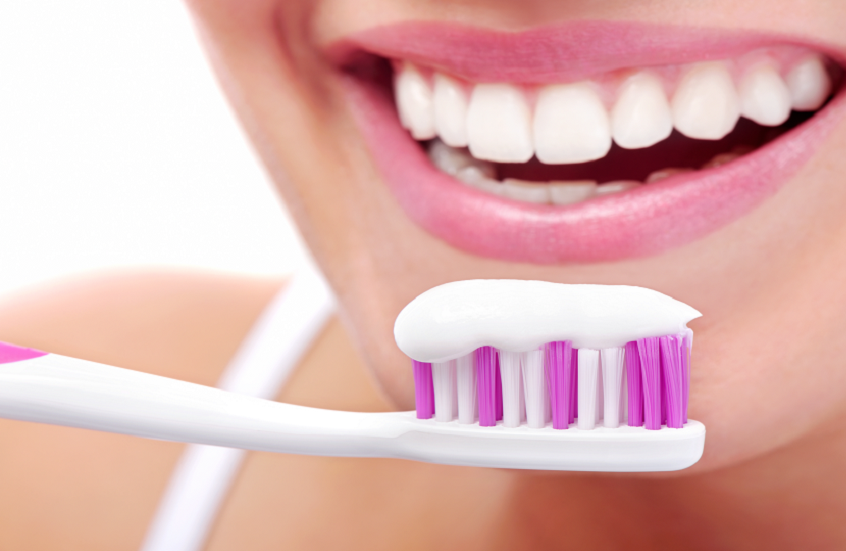
Choosing the best toothpaste by condition is not random, because every oral health problem requires a different type of care. A toothpaste that works for tooth sensitivity may not be the best option for cavities or gum disease.
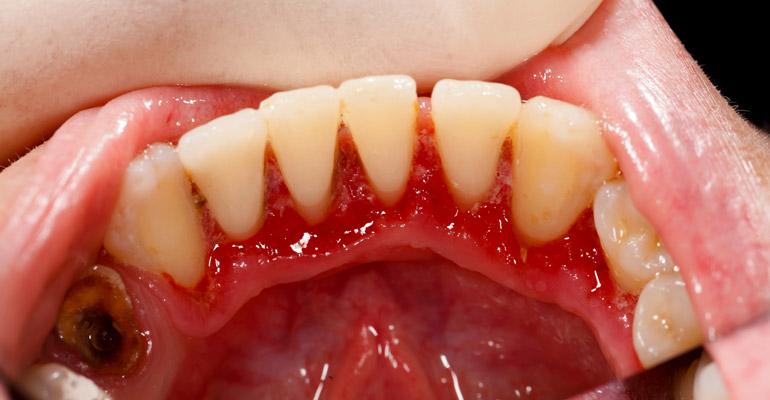
Gum problems and treatment is one of the most common topics in dentistry, as gum disease often starts mildly and progresses silently without obvious pain in the early stages, making many patients unaware until it becomes more advanced.
