
Dental Crowns and Bridges in Dishna: Types, Prices, and How to Choose the Right Option
If you are looking for dental crowns and bridges in Dishna because you have a missing, broken, or severely damaged tooth, you can contact Yakout Center for Oral and Dental Medicine and Surgery to learn more about the right treatment for your case and book a dental consultation. 📞 01149733922 | 📱 01014072654 | 💬 WhatsApp: 01149733922
Losing a tooth or having a severely damaged tooth can affect more than just the appearance of your smile. It may also make chewing and speaking more difficult. Dental restorations can help replace missing teeth or restore damaged teeth, with the appropriate type depending on each patient's individual condition.
If you are considering dental restorations, it is important to understand the different types of dental crowns and bridges, the differences between them, and the factors that affect their cost before making a decision.
What Are Dental Crowns and Bridges?
Dental crowns and bridges are dental restorations used to restore damaged teeth or replace missing teeth.
A dental crown can cover and protect a damaged or weakened tooth, while a dental bridge can be used to replace one or more missing teeth by connecting the replacement tooth to neighboring teeth or suitable supporting structures.
The appropriate restoration depends on several factors, including the number of missing teeth, their location, the condition of the surrounding teeth and gums, and the patient's overall oral health.
The goal is not only to improve the appearance of the smile but also to help restore proper chewing function.
When Do You Need Dental Crowns or Bridges?
A dentist may recommend dental crowns or bridges in several situations, including:
-
Missing one or more teeth.
-
Broken or severely damaged teeth.
-
Teeth that have become weakened after root canal treatment in certain cases.
-
Gaps caused by missing teeth.
-
The need to restore the shape and function of damaged teeth.
-
Teeth that require additional protection or restoration based on the dentist's evaluation.
However, not every patient needs the same type of dental restoration. A proper dental examination is usually the first step in determining the most suitable treatment.
What Are the Different Types of Dental Restorations?
There are several types of dental restorations, and the appropriate option depends on the patient's dental condition and treatment needs.
1. Fixed Dental Restorations
Fixed restorations are designed to remain in place and are not normally removed by the patient on a daily basis.
Crowns and bridges are common examples. They may be used to restore damaged teeth or replace missing teeth depending on the patient's condition.
2. Removable Dental Restorations
Removable restorations can be taken out and placed back in the mouth by the patient.
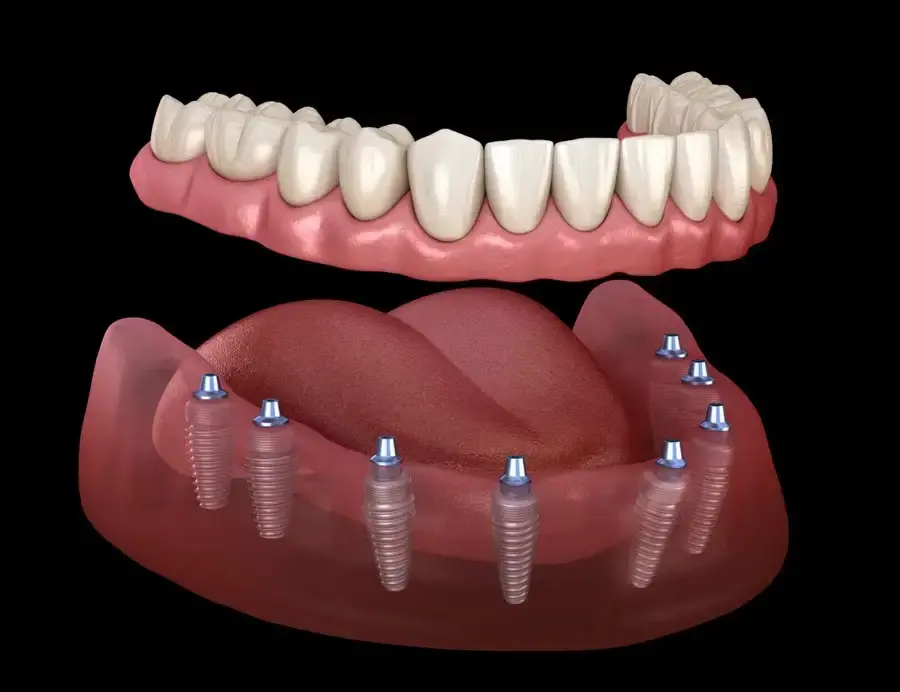
They may be used to replace several missing teeth in certain cases, depending on the condition of the teeth, gums, and jaw.
A dentist determines whether this option is appropriate after evaluating the patient's oral health.
3. Zirconia Crowns
Zirconia crowns are used in certain dental restoration cases and are known for their natural-looking appearance.
They can provide an aesthetic solution for restoring certain teeth, but zirconia is not necessarily the right choice for every patient. The appropriate material depends on factors such as the location of the tooth, its condition, and the overall treatment plan.
4. Porcelain Crowns
Porcelain crowns are designed to provide a natural-looking appearance and can be used to restore certain teeth according to the patient's treatment needs.
The dentist determines whether porcelain is suitable after examining the tooth and surrounding tissues.
How Do I Know Which Dental Restoration Is Right for Me?
Choosing a dental restoration should not be based on price or appearance alone.
During the examination, the dentist may consider several factors, including:
-
The number of teeth that need to be restored or replaced.
-
The condition of the remaining teeth.
-
Gum health.
-
The location of the missing or damaged tooth.
-
The condition of the jawbone when necessary.
-
The patient's treatment goals.
-
The available budget.
If you are searching for a dentist for dental crowns and bridges in Dishna, it is better to have your teeth examined before deciding which type of restoration you need.
How Much Do Dental Crowns and Bridges Cost in Dishna?
There is no single fixed price for dental crowns and bridges in Dishna, because the cost can vary from one patient to another.
Several factors can affect the final cost, including:
-
The type of restoration.
-
The number of teeth involved.
-
The material used to make the restoration.
-
The condition of the teeth and gums.
-
Any treatments needed before the restoration.
-
Additional procedures required according to the patient's condition.
For this reason, the most accurate cost can usually be determined after a dental examination and treatment plan.
What Are the Steps for Getting Dental Crowns or Bridges?
The treatment process varies depending on the type of restoration and the patient's condition, but it may generally include:
Dental Examination:
The dentist examines the teeth and gums and evaluates the patient's oral health.
Treatment Planning:
The appropriate type of restoration is selected based on the patient's condition.
Tooth Preparation:
Some cases may require treatment or preparation of the teeth before the restoration is placed.
Taking Dental Impressions or Digital Measurements:
Measurements are taken to help create a restoration that fits properly.
Fitting and Placement:
The restoration is checked for fit, appearance, and function before being permanently placed or used, depending on its type.
Follow-Up:
Follow-up appointments may be recommended to ensure that the restoration fits properly and that the surrounding teeth and gums remain healthy.
Are Dental Crowns and Bridges Painful?
Dental crown and bridge procedures do not necessarily cause pain. However, the level of sensitivity or discomfort can vary depending on the type of procedure, the condition of the tooth, and whether additional treatment is needed before the restoration.
If you already have tooth pain or sensitivity, it is important to tell your dentist before starting treatment.
How Can You Take Care of Your Dental Restorations?
Good oral hygiene is important for maintaining dental restorations as well as the health of the surrounding teeth and gums.
You should:
-
Brush your teeth regularly.
-
Clean around the restoration carefully.
-
Use appropriate cleaning tools as recommended by your dentist.
-
Avoid habits that could damage your teeth or restoration.
-
Schedule regular dental checkups.
Proper care can help maintain your oral health and support the long-term function of your dental restoration.
Dental Crowns and Bridges in Dishna at Yakout Center
If you are searching for dental crowns and bridges in Dishna, Yakout Center for Oral and Dental Medicine and Surgery provides comprehensive dental services with a focus on evaluating each patient's condition and determining an appropriate treatment plan.
The center provides a range of dental services, including dental crowns and bridges, dental implants, cosmetic dentistry, orthodontics, root canal treatment, teeth cleaning, and surgical tooth extraction.
To find out which type of dental restoration may be suitable for your case and learn about the expected cost, contact the center and schedule a dental consultation.
Book Your Dental Consultation at Yakout Center
📞 Call: 01149733922
📱 Phone: 01014072654
💬 WhatsApp: 01149733922
Frequently Asked Questions About Dental Crowns and Bridges
Can I get a dental restoration immediately after tooth extraction?
It depends on the condition of the tooth, gums, extraction site, and the type of restoration being considered. Your dentist can determine the appropriate timing after evaluating your case.
Which is better: zirconia or porcelain?
There is no single material that is best for every patient. The appropriate choice depends on the location and condition of the tooth and the desired treatment outcome.
How long do dental crowns and bridges last?
Their lifespan can vary depending on the type of restoration, oral hygiene, gum health, chewing habits, and regular dental care. Routine dental checkups can help monitor the restoration and surrounding teeth.
Can I replace more than one missing tooth?
Yes. Depending on the number and location of missing teeth and the condition of the mouth, different types of dental restorations may be used to replace multiple teeth.
Can dental crowns improve the appearance of my smile?
Yes. In addition to restoring tooth function, certain crowns and other restorations can improve the shape and appearance of damaged or discolored teeth.
If you have a missing or damaged tooth and are searching for dental crowns and bridges in Dishna, schedule a dental consultation to determine the most suitable treatment for your individual needs.