

🫀 Modern Treatment of Heart Valve Infections in Giza | Dr. Mahmoud El-Degwy Ahmed
Heart valve infections may begin with symptoms that seem simple, such as fever, fatigue, or shortness of breath, but they can progress into a serious condition affecting valve function and the heart's ability to pump blood efficiently. This condition is medically known as infective endocarditis, an infection that affects the inner lining of the heart and may involve the heart valves.
The treatment of heart valve infections depends on early diagnosis, identification of the microorganism causing the infection, and assessment of the extent of valve and heart muscle involvement. While some cases can be controlled with appropriate medical treatment, advanced cases involving severe valve damage or complications may require surgery to repair or replace the affected valve.
With the continuous development of cardiac and heart valve surgery, treatment options have become increasingly diverse, ranging from advanced diagnostic techniques and targeted antibiotic therapy to valve repair, valve replacement, and minimally invasive cardiac surgery. The appropriate technique is selected according to each patient's condition and the assessment of the cardiac and surgical team.
📞 Contact & Booking Information for Dr. Mahmoud El-Degwy Ahmed
Professor and Consultant of Cardiothoracic Surgery – Kasr Al-Ainy Faculty of Medicine, Cairo University.
🏥 Mohandessin Clinic: First Syria Street, from the direction of Arab League Mosque – Giza.
🏥 Heliopolis Clinic: 70 Abdel Aziz Fahmy Street – St. Fatima Square.
🏥 Maadi Clinic: Western Basateen – Cairo.
📱 Booking: +20 111 069 1461 – +20 122 382 2588
📧 Email: [email protected]
🫀 What Are Heart Valve Infections?
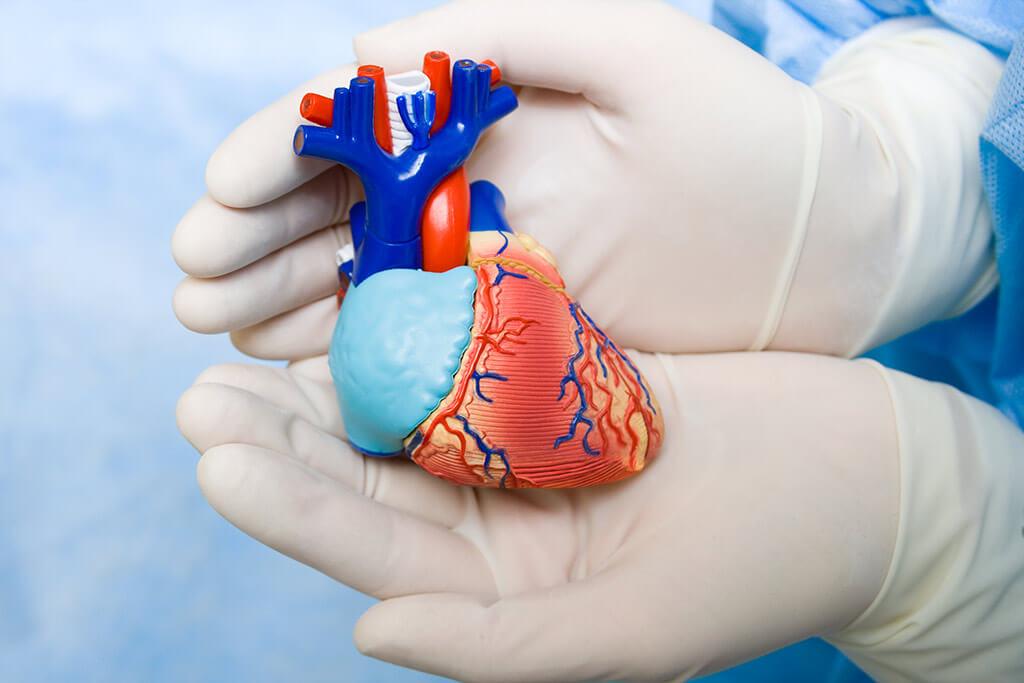
Heart valve infection is one of the forms of infective endocarditis. It occurs when bacteria, fungi, or other microorganisms enter the bloodstream and settle on the inner lining of the heart or on one of the heart valves.
The infection may cause abnormal growths or deposits on the valve. As the infection continues, the valve may become damaged, affecting its ability to regulate the normal direction of blood flow.
Early medical assessment is important because infective endocarditis may lead to complications such as impaired valve function, heart failure, conduction abnormalities, or the spread of infection to other organs.
⚠️ Symptoms of Heart Valve Infection
Symptoms can vary depending on the type of infection, how quickly it develops, and the affected valve. Common symptoms may include:
- 🌡️ Fever or persistent high temperature.
- 🥱 Persistent fatigue and weakness.
- ❤️ Rapid heartbeat or palpitations.
- 😮💨 Shortness of breath.
- 💦 Sweating, particularly night sweats.
- ⚖️ Unexplained weight loss.
- 🦴 Muscle or joint pain in some cases.
- 🫀 A new or changing heart murmur.
- Swelling of the legs or other symptoms associated with reduced heart function in advanced cases.
These symptoms alone do not confirm a heart valve infection. However, persistent symptoms or several symptoms occurring together, especially in people with risk factors, require prompt medical evaluation.
🔬 How Are Heart Valve Infections Diagnosed?
Diagnosing a heart valve infection does not depend on a single symptom or laboratory test. Doctors combine clinical findings with blood tests and cardiac imaging to establish an accurate diagnosis.
🧪 Blood Cultures
Blood cultures can help identify the microorganism responsible for the infection and guide the selection of appropriate antibiotic therapy.
🫀 Echocardiography
Echocardiography is used to evaluate the heart valves and cardiac function and to look for signs of valve infection or complications around the affected valve.
In some cases, a transesophageal echocardiogram (TEE) may be required to obtain more detailed images of the heart valves and surrounding structures.
🔬 Additional Tests
Additional blood tests and imaging studies may be required depending on the patient's symptoms and overall condition, particularly when complications or the spread of infection are suspected.
💊 Treatment of Heart Valve Infections
Treatment varies from one patient to another, and there is no single treatment plan that is appropriate for every case.
1️⃣ Antibiotic Therapy
For bacterial infective endocarditis, treatment generally relies on antibiotics selected according to the causative microorganism and its sensitivity. Treatment may require an extended course of therapy with close medical monitoring.
Antibiotics should not be used randomly when heart valve infection is suspected. The patient requires proper medical evaluation, appropriate diagnostic testing, and treatment based on the results.
2️⃣ Heart Valve Repair
When infection causes valve damage, valve repair may be considered when the nature and extent of the damage allow it. The goal is to remove infected tissue while preserving as much of the natural valve structure as possible.
3️⃣ Heart Valve Replacement
When valve damage is severe or the valve cannot be repaired effectively, heart valve replacement may become necessary. The type of replacement valve and surgical approach depend on several factors, including the affected valve, the patient's age, general health, infection status, and extent of tissue damage.
4️⃣ When Is Surgery Necessary?
Not every patient with a heart valve infection requires surgery. However, surgery may become necessary when there is severe valve damage causing heart failure, persistent infection despite appropriate treatment, or other serious complications involving the valve or surrounding tissues.
🫀 Ozaki Technique for Aortic Valve Replacement
The Ozaki procedure is an advanced surgical technique used to reconstruct the aortic valve using the patient's own pericardial tissue. The tissue is prepared and carefully shaped to create new valve leaflets.
Unlike conventional replacement with a ready-made mechanical or biological prosthetic valve, the Ozaki technique reconstructs the aortic valve using prepared pericardial tissue.
The suitability of the Ozaki technique depends on the patient's individual condition. In cases of active valve infection, the presence of infection and tissue destruction may significantly affect the surgical strategy. Therefore, the technique should only be considered after a detailed evaluation of the valve, infection activity, surrounding tissues, and overall surgical risk.
❤️ Minimally Invasive Mitral Valve Repair and Replacement
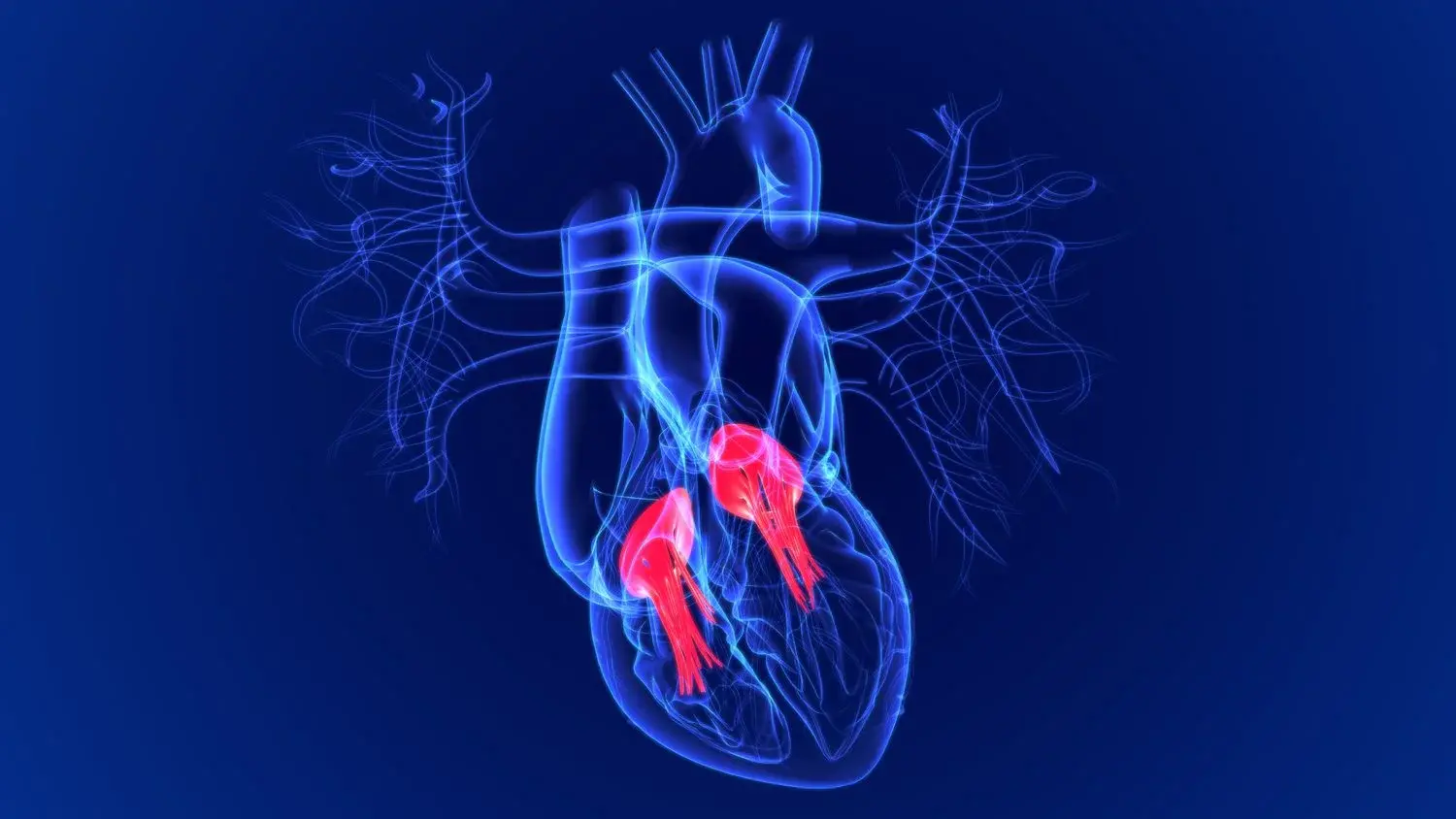
The mitral valve is one of the heart's major valves. It may develop regurgitation, stenosis, or structural damage due to several conditions, including infection in some cases.
When surgery is required, treatment options may include mitral valve repair, mitral valve replacement, or minimally invasive surgical approaches in selected patients.
🔧 Mitral Valve Repair
When the valve's condition allows it, repair may be an important option because it preserves the patient's natural valve instead of replacing it.
🔄 Mitral Valve Replacement
When the valve is severely damaged and cannot be repaired effectively, replacement with a mechanical or biological prosthetic valve may be considered.
🩺 Minimally Invasive Mitral Valve Surgery
In selected cases, mitral valve surgery can be performed through smaller surgical incisions rather than a traditional full chest opening. Advanced instruments and endoscopic techniques may be used depending on the surgical approach.
However, minimally invasive surgery is not appropriate for every active mitral valve infection, particularly when there is extensive infection, abscess formation, or major tissue destruction. The final decision depends on the specific condition and the assessment of the cardiac surgery team.
Read more about minimally invasive mitral valve repair and replacement .
👨⚕️ The Role of a Cardiothoracic Surgeon in Heart Valve Infection Treatment
The role of the cardiac surgeon is not limited to performing surgery. It begins with evaluating how the infection has affected the valve, determining whether repair is possible, deciding whether replacement is required, and assessing the appropriate timing of surgery when an operation is indicated.
- Identifying the affected valve.
- Assessing the severity of valve damage.
- Determining how the infection affects cardiac function.
- Evaluating complications around the valve.
- Reviewing blood culture and diagnostic results.
- Assessing the response to medical treatment.
- Determining whether valve repair or replacement is appropriate.
- Selecting the most suitable surgical approach.
🫀 Dr. Mahmoud El-Degwy Ahmed's Experience in Heart Valve Surgery
Dr. Mahmoud El-Degwy Ahmed provides specialized cardiothoracic surgical care, including the evaluation and surgical management of heart valve conditions and complex cardiac cases.
His areas of practice include:
- Mitral valve surgery.
- Aortic valve surgery.
- Tricuspid valve surgery.
- Open-heart surgery.
- Heart valve repair and replacement.
- Coronary artery bypass surgery.
- Surgery for selected congenital heart defects.
- Thoracic and lung surgery.
- Modern surgical techniques when clinically appropriate.
The appropriate procedure or surgical technique is determined after reviewing the patient's diagnostic results and overall condition, because each case requires an individualized treatment plan.
⭐ How to Choose a Heart Doctor in Mohandessin
When searching for a heart doctor in Mohandessin, patients should consider several medical factors rather than relying only on location or name.
👨⚕️ Specialized Expertise
Choosing a surgeon with experience relevant to the patient's specific cardiac condition is particularly important in complex valve cases.
🫀 Experience in Heart Valve Surgery
Experience in valve repair and replacement is an important consideration when evaluating patients who may require surgical treatment.
🔬 Comprehensive Evaluation
The treatment plan should be based on diagnostic testing, imaging, laboratory results, and the patient's clinical condition rather than symptoms alone.
🏥 Medical Facilities
Complex cardiac cases require access to an appropriate medical environment capable of providing surgery, postoperative monitoring, and management of possible complications.
🤝 Clear Communication
Explaining the diagnosis, available treatment options, potential benefits, and possible risks helps patients and their families understand the proposed treatment plan.
🛡️ Can Heart Valve Infection Be Prevented?
Not every case of infective endocarditis can be prevented, but certain measures may help reduce the risk, especially in people who are at increased risk of complications.
- Maintaining good dental and gum health.
- Treating dental and gum infections promptly.
- Following up regularly for known heart conditions.
- Informing doctors and dentists about prosthetic heart valves or a previous history of infective endocarditis.
- Following medical recommendations regarding preventive antibiotics before certain dental procedures when specifically indicated.
🚨 When Should You Seek Medical Attention Quickly?
Patients experiencing persistent unexplained fever, increasing shortness of breath, severe fatigue, persistent palpitations, or new symptoms in the presence of known valve disease or a prosthetic heart valve should seek prompt medical evaluation.
Severe symptoms such as acute shortness of breath, chest pain, fainting, or altered consciousness require emergency medical attention.
❤️ Follow-Up After Heart Valve Infection Treatment
Treatment does not end once the infection is controlled or valve surgery has been completed. Continued follow-up is important to monitor:
- Stable valve function.
- Improvement in heart muscle function.
- Signs of recurrent infection.
- Development of new complications.
- Adherence to prescribed medications.
- Results of regular follow-up investigations.
Long-term follow-up helps monitor valve function and identify possible recurrence or other complications after treatment.
🫀 Conclusion
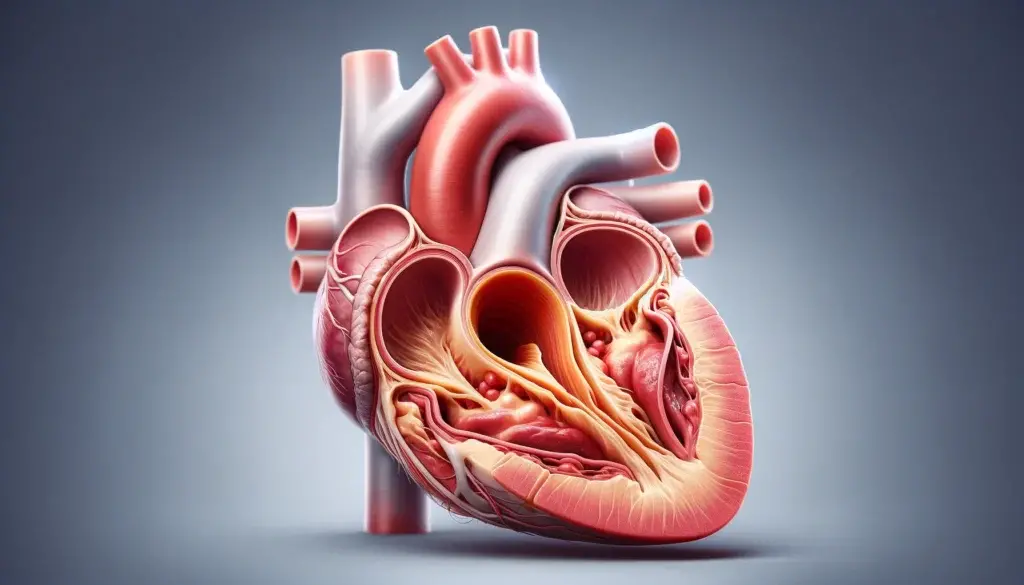
Heart valve infections require accurate diagnosis and specialized treatment because the effects of infection can extend beyond the valve itself and may affect overall cardiac function.
Treatment generally begins with identifying the causative microorganism and selecting appropriate medical therapy, while some patients may require heart valve repair or replacement when severe damage or complications are present.
Advances in heart valve surgery have also expanded treatment options, including mitral valve repair, valve replacement, minimally invasive surgery for selected patients, and specialized techniques such as the Ozaki procedure for aortic valve reconstruction.
In cases of active valve infection, however, a surgical technique should not be selected simply because it is considered modern. The most appropriate approach must be determined after evaluating the severity of infection, valve damage, cardiac function, surrounding tissues, and the patient's overall medical condition.
With clinics in Mohandessin, Heliopolis, and Maadi, patients can schedule a consultation with Dr. Mahmoud El-Degwy Ahmed for evaluation of heart valve conditions and discussion of appropriate medical and surgical treatment options.
📞 For appointments: +20 111 069 1461 – +20 122 382 2588
📧 Email: [email protected]
