Study: Early Peanut Introduction Reduces Allergy Risk in Infants by Up to 38%
A recent study shows that introducing peanuts early in an infant’s diet can significantly lower the risk of food allergies, including peanut allergy itself.

New research reveals that adding peanuts to infants’ diets can dramatically reduce the likelihood of developing food allergies.
The study found a 27% decrease in peanut allergy diagnoses and a 38% reduction in overall food allergies among infants who were introduced to peanuts early compared to those who were not.
Key Findings:
-
Introducing peanuts, eggs, and other common allergens between 4–6 months may significantly prevent later food allergies.
-
These results support modern health guidelines encouraging early exposure, even for children without prior allergy history.
-
Early introduction can prevent severe allergic reactions, including breathing difficulties or a drop in blood pressure, making it a vital public health measure.
The study emphasizes that educating parents on early food introduction can have a major impact on children’s allergy outcomes, highlighting the importance of following pediatric guidance for infant nutrition.
For more details and the latest medical news, follow Misr Connect
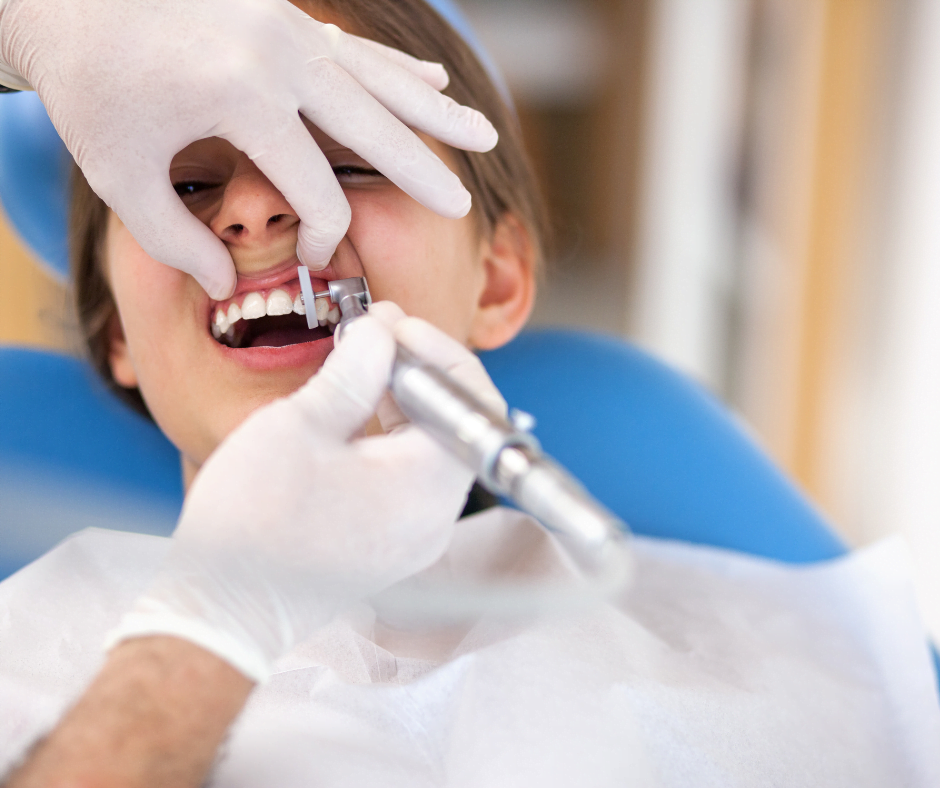
Many people believe that professional teeth cleaning may weaken or damage the teeth, especially after tartar removal. This leads to a common question: Does teeth cleaning weaken teeth?
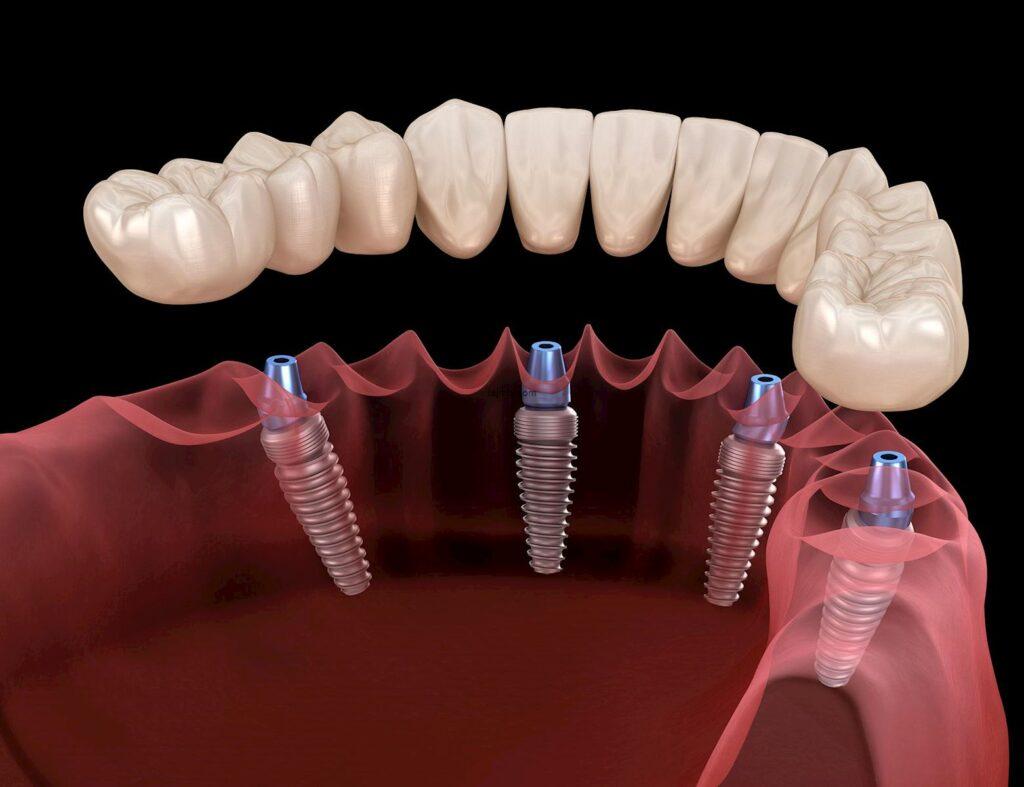
Dental implants are one of the best modern solutions for replacing missing teeth and restoring natural appearance and chewing function. With the development of dentistry in Egypt, the most common question has become: How much do dental implants cost in Egypt?

Sudden tooth pain is one of the most uncomfortable types of pain because it can appear without warning and affect eating, sleeping, and daily focus. In many cases, it signals an underlying dental problem that needs quick treatment before it gets worse.

Tooth pain is one of the most uncomfortable types of pain, and it is often linked to a problem in the tooth nerve. This raises an important question: when do you need a root canal?
