Early Warning Signs of Aortic Valve Stenosis You Shouldn’t Ignore
Aortic valve stenosis can silently threaten your life. Learn the early symptoms, modern diagnostic tools, and minimally invasive treatment options.

Aortic valve stenosis occurs when the valve becomes narrow or stiff, preventing blood from flowing normally from the heart to the body. This forces the heart to work harder, which over time can exhaust the heart muscle and reduce its function.
Early Symptoms
According to Dr. Kishava R., cardiology consultant, common warning signs include:
-
Shortness of breath, especially with exertion or climbing stairs
-
Chest pain or pressure during activity
-
Dizziness or imbalance
-
Sudden fainting episodes
“These early symptoms often appear with minimal effort and should be taken seriously to prevent life-threatening complications,” says Dr. Kishava.
Diagnosis
Diagnosis relies on:
-
Clinical examination
-
Electrocardiogram (ECG)
-
Echocardiography (Echo)
-
CT scans in advanced cases
These tests help doctors determine the severity of stenosis and its effect on heart function, guiding the most appropriate treatment plan.
Treatment: Medication or Surgery?
Not all cases require surgery. Mild to moderate stenosis may be managed with medication and regular monitoring. Severe cases with clear symptoms often require surgical intervention.
TAVI: A Minimally Invasive Revolution
Transcatheter Aortic Valve Implantation (TAVI) is a modern procedure replacing the aortic valve via catheter, ideal for patients at high surgical risk:
-
Valve inserted through the femoral artery
-
Local anesthesia
-
Procedure duration: 1–1.5 hours
Benefits of TAVI
-
Faster recovery, hospital stay 48–72 hours
-
Mobility within 24 hours
-
Reduced risk of stroke or bleeding, especially in elderly patients
👉 For more details and latest heart health news, follow Misr Connect

You may begin your journey of treating back pain by visiting a top physiotherapy center or undergoing spinal adjustment sessions, and initially feel significant improvement. However, symptoms often return—or even worsen over time.You may begin your journey of treating back pain by visiting a top physiotherapy center or undergoing spinal adjustment sessions, and initially feel significant improvement. However, symptoms often return—or even worsen over time.
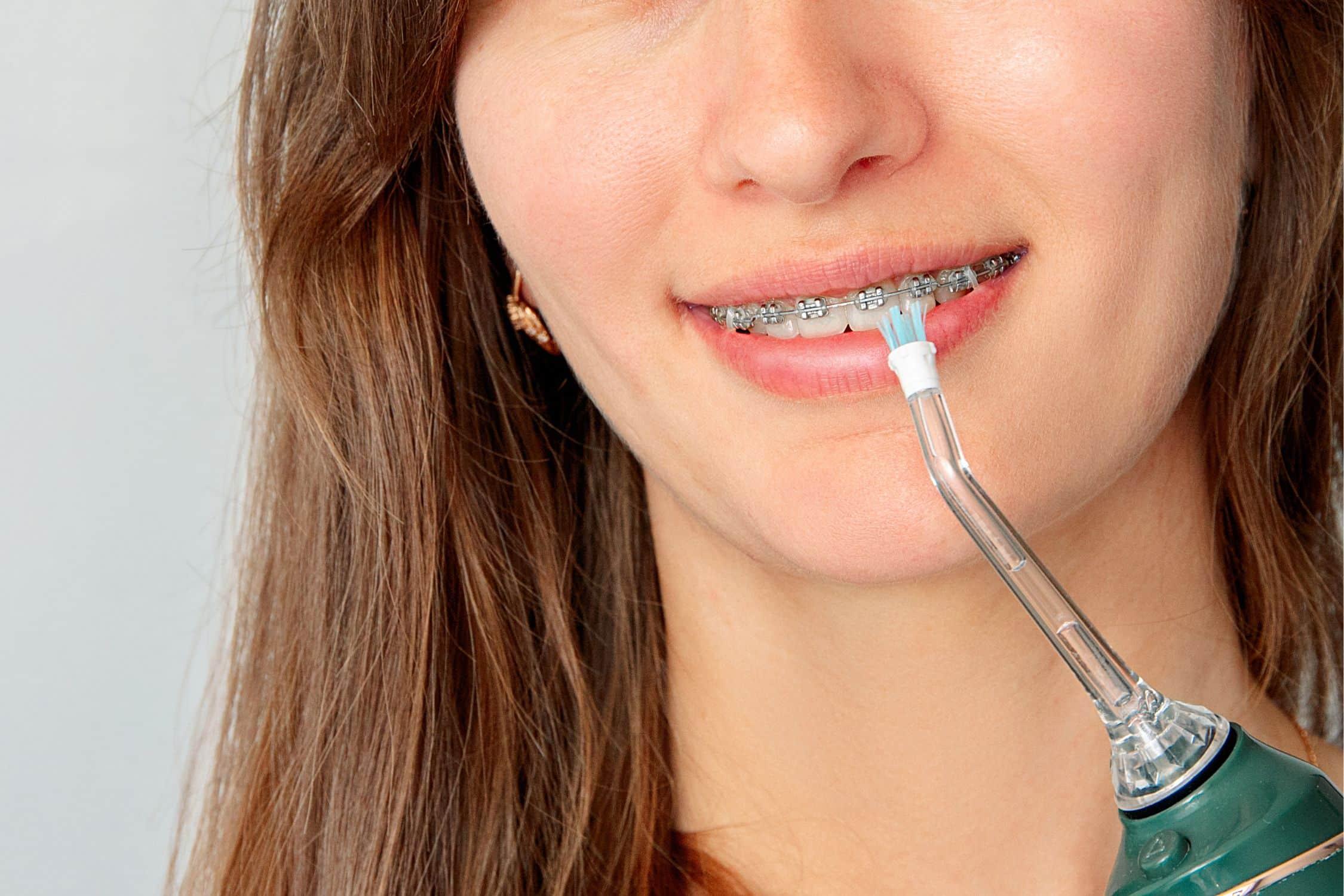
How to care for teeth after braces is one of the most important stages after orthodontic treatment, as the post-braces phase is just as crucial as the treatment itself.
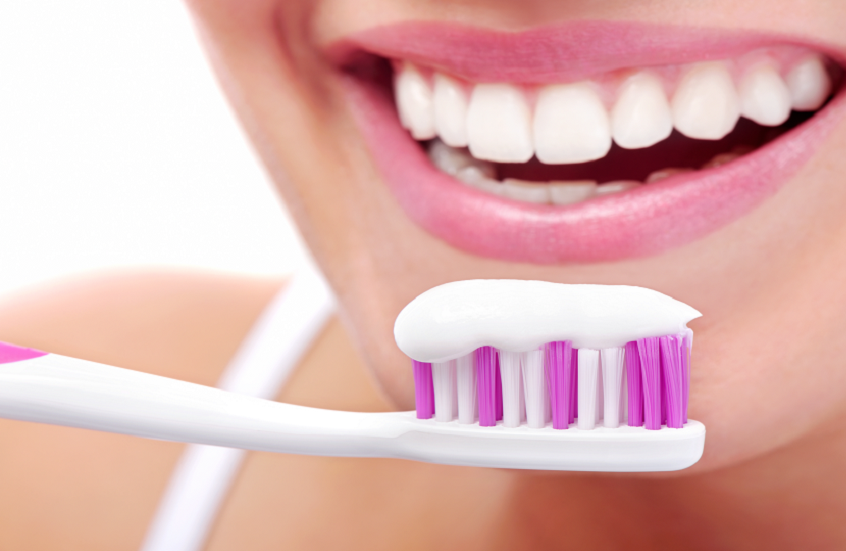
Choosing the best toothpaste by condition is not random, because every oral health problem requires a different type of care. A toothpaste that works for tooth sensitivity may not be the best option for cavities or gum disease.
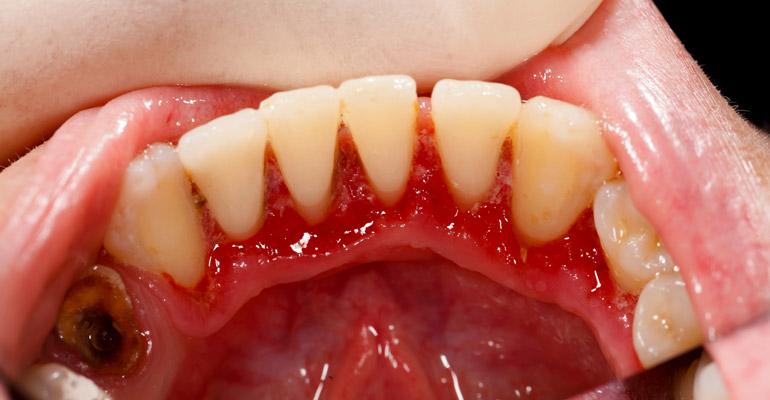
Gum problems and treatment is one of the most common topics in dentistry, as gum disease often starts mildly and progresses silently without obvious pain in the early stages, making many patients unaware until it becomes more advanced.
