Effective Ways to Treat Mouth Ulcers (Aphthous Stomatitis) Quickly
Learn how to relieve pain and speed up healing of mouth ulcers with home remedies, medications, and prevention tips
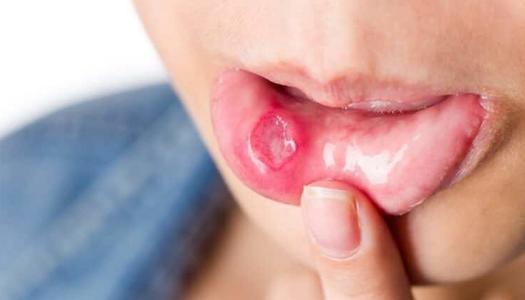
Mouth ulcers, also known as aphthae, are small, painful sores that make eating and talking uncomfortable. They usually heal within 7-10 days, but pain relief and faster recovery are possible with home and medical treatments.
Effective home remedies:
-
Saltwater rinse: Cleans and reduces inflammation.
-
Ice: Applying ice eases pain and swelling.
-
Honey: Speeds up healing when applied on the ulcer.
-
Baking soda rinse: Mix with water and gargle.
-
Avoid irritants: Spicy, acidic, and crunchy foods.
Medical treatments:
-
Topical gels or creams: Containing anesthetics for immediate pain relief.
-
Corticosteroid ointments: Reduce inflammation.
-
Mouthwash: Helps reduce bacteria and promotes healing.
-
Chemical cauterization: Speeds healing for chronic ulcers.
Prevention and care tips:
-
Use a soft-bristled toothbrush.
-
Maintain oral hygiene; avoid SLS-containing toothpaste.
-
Take vitamin B12 or zinc supplements if deficient.
When to see a doctor:
-
Ulcers last more than two weeks.
-
Large or extremely painful ulcers.
-
Ulcers spreading to new areas in the mouth.
-
Fever or general weakness.
For more details and the latest health news, follow Misr Connect.

A new study reveals that sleeping on elevated pillows increases eye pressure and raises the risk of glaucoma, especially for adults over 40

Pomegranate is more than a tasty fruit; it’s packed with nutrients that support heart health, immunity, and brain function. Discover its key benefits and daily uses.
Certain low-fat cheeses can help reduce the risk of heart disease thanks to their protein, calcium, and potassium content.

The way a baby is delivered affects gut microbiome development, influencing immunity, digestion, and long-term health, especially after a C-section
