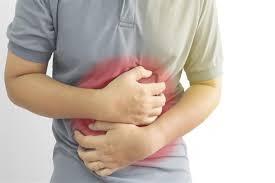

Stomach cramps and abdominal pain are common after long fasting hours, particularly when the fast is broken with large or heavy meals. After an extended break from digestion, the stomach requires a gradual reintroduction of food to function comfortably.
To reduce the risk of cramps, it is advisable to begin with light foods and warm fluids such as dates with water or a light soup, then wait a few minutes before eating the main meal. This gradual approach allows the digestive system to adjust smoothly.
Avoiding fried foods, excessive fats, and overly heavy dishes immediately after breaking the fast is also important, as these foods can slow digestion and increase the likelihood of discomfort and bloating. Moderation in portion size plays a key role in protecting digestive health.
Chewing food thoroughly further supports digestion and reduces pressure on the stomach. Dividing the meal into smaller portions rather than consuming everything at once can also help. Additionally, light movement such as a short, gentle walk after eating may improve digestion and ease the feeling of fullness.
Following these practical steps can significantly reduce stomach cramps and make the fasting experience more comfortable while maintaining digestive well-being throughout the holy month.
For more details and the latest news, follow Misr Connect