Keto Diet: A Fast Track to Fitness or a Hidden Health Risk?
The keto diet promises rapid weight loss and better blood sugar control, but experts warn it may carry long-term risks for kidney health, digestion, and metabolism.

The keto diet has gained global popularity for its ability to deliver quick weight loss results and improve blood sugar control. By drastically reducing carbohydrates and increasing fat intake, the body enters a state called ketosis, where it burns fat instead of glucose for energy.
While these short-term benefits are appealing, growing research suggests that the keto diet can have significant long-term effects on metabolism, kidney function, and digestive health.
During the first few weeks, many experience what’s known as the “keto flu”, with symptoms such as:
Headache
Fatigue
Nausea
Dizziness
Irritability
These symptoms occur as the body loses water and electrolytes due to carbohydrate restriction. Staying hydrated and gradually reducing carb intake can help ease the transition into ketosis.
Studies also indicate that a high-fat, low-carb diet may increase the risk of kidney stones, as it raises the body’s acidity and forces the kidneys to work harder to balance pH levels. This can lead to calcium buildup in the urine and potential kidney strain.
Moreover, cutting out most carbs significantly reduces fiber intake, causing digestive issues such as constipation, bloating, and sluggish digestion. It can also result in vitamin deficiencies, particularly in vitamins A, C, and B complex, which are essential for immune function and energy.
Long-term adherence to keto may disrupt normal metabolic balance, increasing cholesterol levels and the risk of cardiovascular problems—especially when switching back to a high-carb diet suddenly.
While the keto diet can deliver impressive short-term results, experts advise medical supervision and careful nutritional planning to maintain health and prevent complications
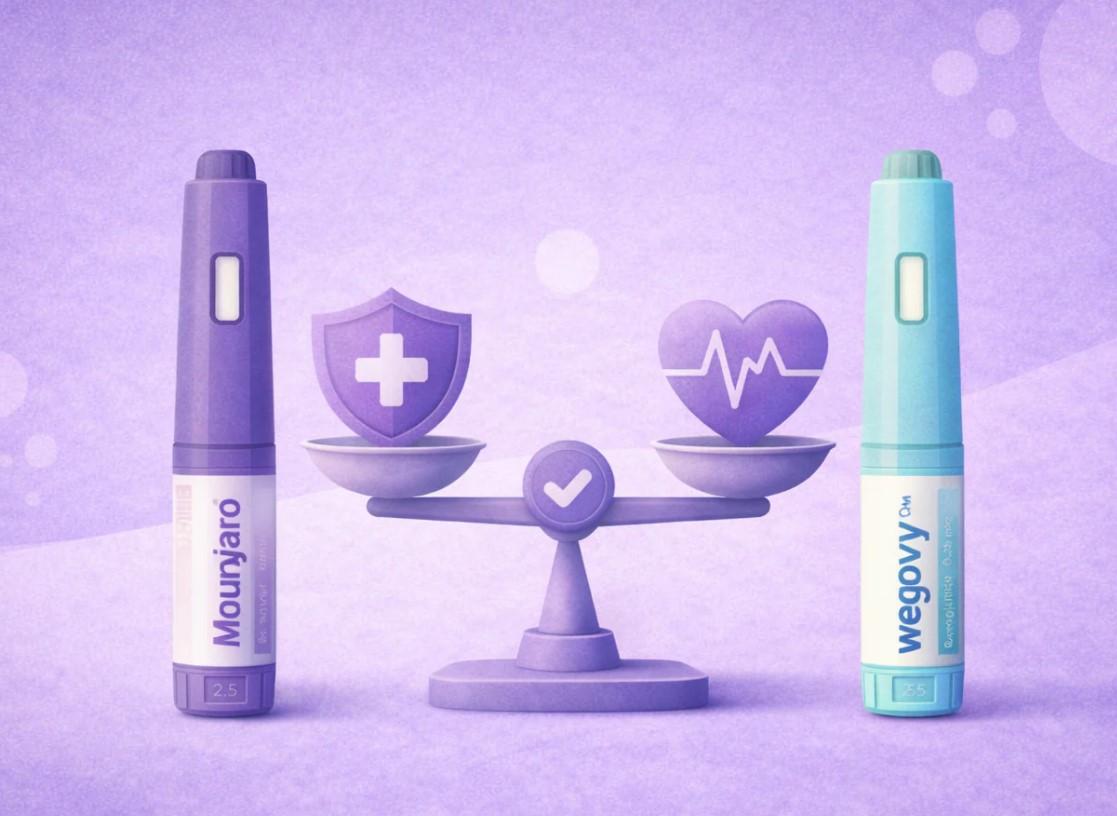
Modern weight loss injections work by using hormones that regulate appetite and reduce feelings of hunger, which helps the body lose weight in a natural and safe way.
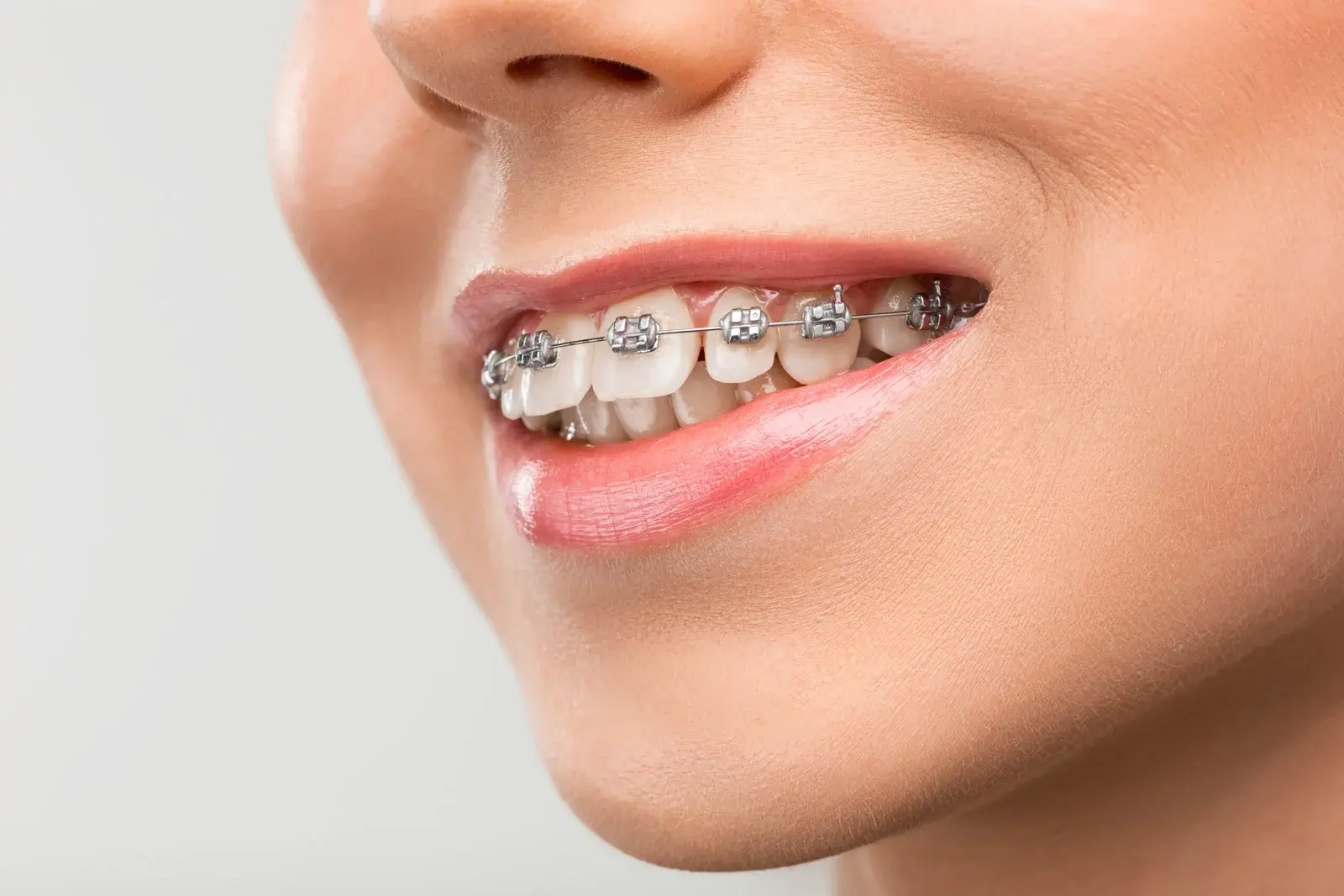
Can your orthodontic results disappear after all that effort? 🤔 Discover why retainers are essential and how to keep your perfect smile for years!
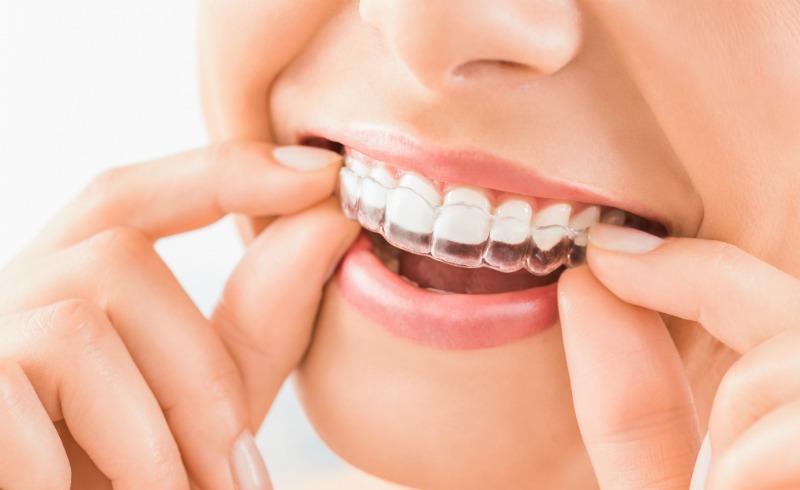
After completing orthodontic treatment, many patients think the journey is over. However, medically speaking, the most important phase begins now: the retainer phase, which is essential to maintain results and prevent teeth from shifting back to their original position.
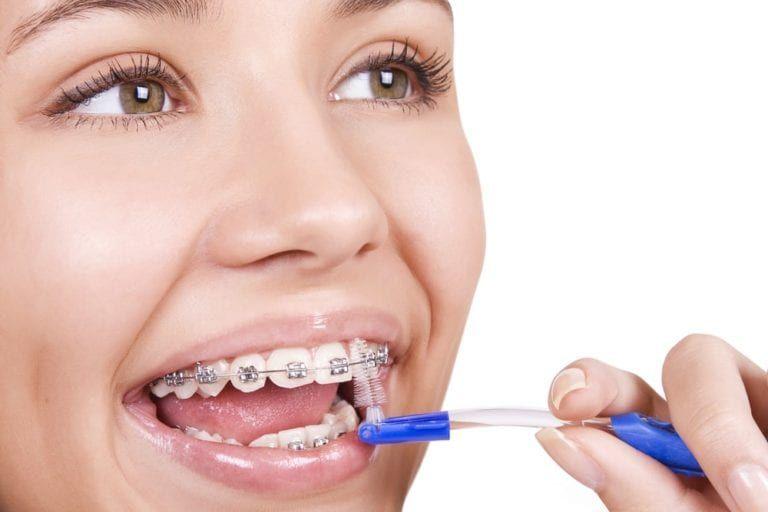
Orthodontic treatment is an important step to improve the appearance and function of teeth and jaws. However, it requires strict adherence to post-placement instructions to ensure treatment success and achieve the best possible results in the shortest time.
