
In a remarkable medical advancement, scientists at Columbia University have successfully created a prototype of a living human knee developed entirely in a laboratory setting, signaling a potential shift in the future of treating chronic joint conditions, particularly osteoarthritis.
The innovation relies on 3D printing technology to build a biodegradable scaffold that serves as a structural framework. This scaffold is then infused with living bone and cartilage cells, which gradually grow and develop into a functional joint over time, while the synthetic structure naturally dissolves within the biological environment.
Researchers believe that this bioengineered knee could eventually be implanted into patients, functioning naturally after being connected to the body’s vascular system. This could provide a long-term alternative to current treatments that mainly focus on pain management or complex joint replacement surgeries.
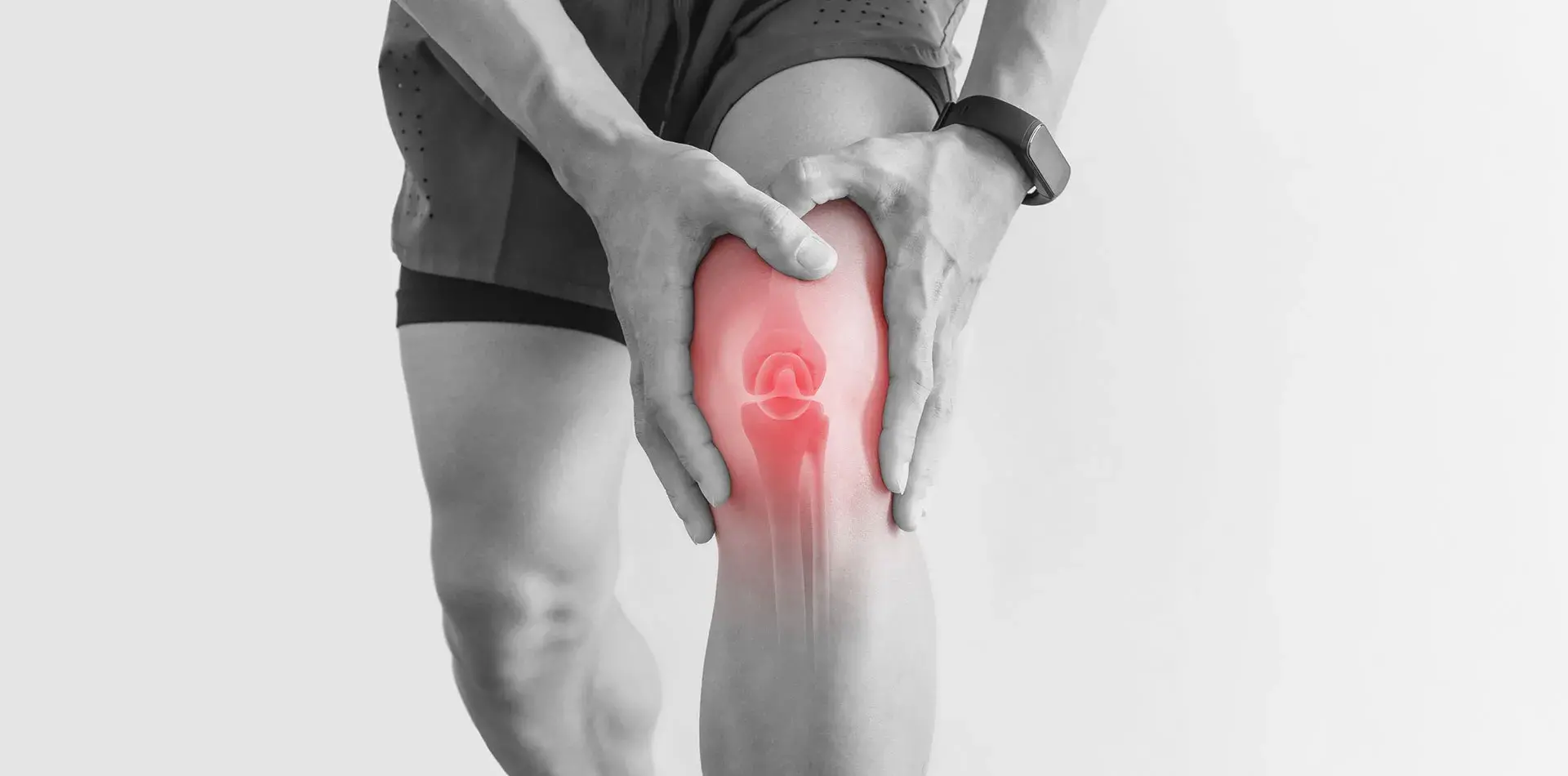
This development offers significant hope for millions of individuals suffering from osteoarthritis, a condition that leads to the breakdown of cartilage within joints, causing chronic pain, stiffness, and reduced mobility, especially in the knee.
Although promising, the technology remains in its early stages and has not yet been tested in humans. The research team is currently working toward preclinical and clinical trial phases in the coming years, following initial testing to evaluate the joint’s strength and ability to withstand movement and load.
Meanwhile, other parallel research initiatives are exploring alternative therapies aimed at stimulating the body’s natural ability to repair joint tissues. These include injectable treatments designed to promote cartilage and bone regeneration, which have shown encouraging results in animal studies by reducing pain and improving tissue function.
Additionally, research teams at Duke University and University of Colorado Boulder are developing similar approaches focused on enabling joints to self-heal through stem cell activation or localized treatments delivered directly into the joint.
For more details and the latest news, follow Egypt Connect website