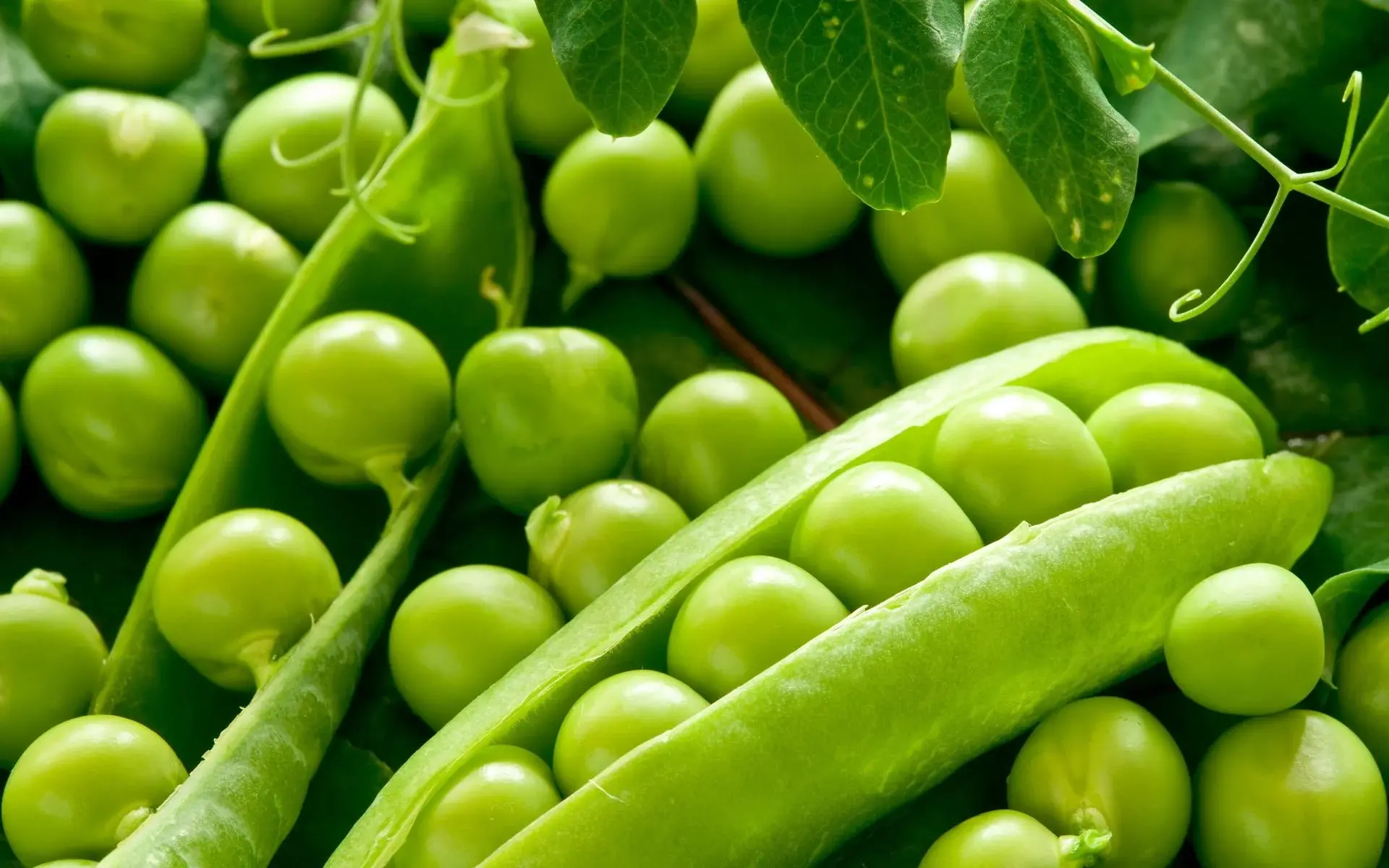

Among Ramadan dishes, peas stand out as a nutritious and easy-to-prepare option for iftar. They replenish the body after long fasting hours and provide essential nutrients.
Rich in plant-based protein, peas help repair tissues and support muscles, especially for those engaging in physical activity. The plant protein is also lighter to digest compared to fatty animal proteins.
High in dietary fiber, peas promote satiety and regulate digestion, stabilizing blood sugar levels and preventing post-iftar fluctuations.
Health experts recommend including legumes regularly in the diet, as soluble fiber helps reduce fat absorption in the intestines, supporting heart health and maintaining balanced nutrition during Ramadan.
Peas are packed with vitamins and minerals, including vitamin C, K, folate, iron, and magnesium, boosting immunity, strengthening bones, and helping cells produce energy efficiently after fasting.
Another advantage is combining peas with other protein sources like lean chicken or beef, enhancing nutritional value without heaviness. They can also be served with brown rice or whole-grain bread for sustained energy.
It’s advised to avoid excessive oil or butter during cooking and moderate salt, especially for those with high blood pressure.
For more details and latest updates, follow Masr Connect