Nail Biting Linked to Life-Threatening Heart Infection
Health experts warn that nail biting, often seen as a harmless habit, can lead to a severe heart infection known as infective endocarditis — a potentially fatal condition.
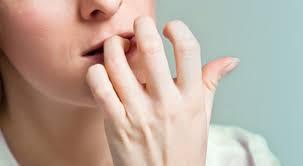
Medical experts have raised serious concerns about the risks associated with nail biting, revealing that the habit can introduce harmful bacteria into the bloodstream and cause infective endocarditis, a dangerous infection affecting the inner lining and valves of the heart.
According to doctors, bacteria hidden beneath the nails can enter through small skin cuts around the nail bed, travel through the blood, and attach to heart tissue — leading to inflammation and valve damage.
The condition can cause septic blockages and embolisms that spread to the brain or lungs, potentially resulting in strokes or heart failure.
Symptoms of infective endocarditis include fever, chest pain, rapid heartbeat, fatigue, chills, loss of appetite, night sweats, joint and muscle pain, rash, and swelling in the legs or abdomen, along with blood in the urine.
Experts stress that immediate antibiotic treatment — often lasting between four and six weeks — is crucial to eliminate the infection and prevent permanent valve damage.
They strongly advise avoiding nail biting altogether, maintaining proper hand hygiene, and seeking medical help promptly if symptoms such as fever, chest pain, or unexplained fatigue occur.
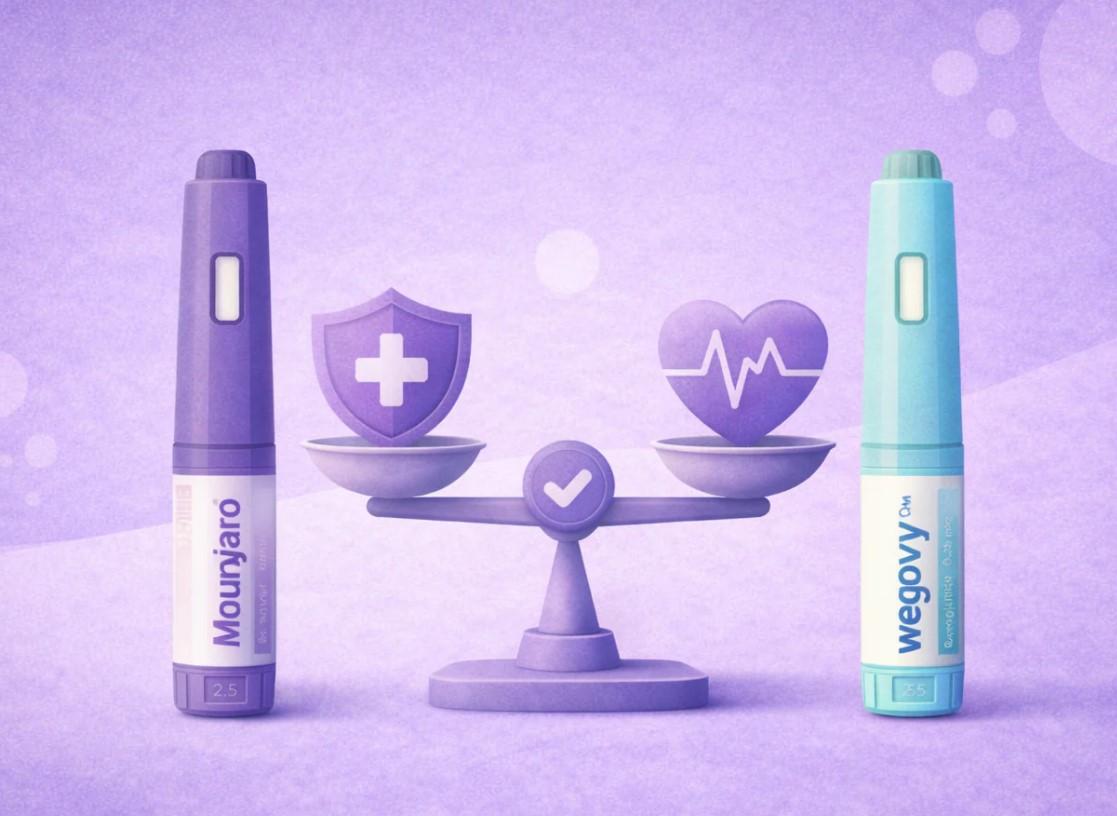
Modern weight loss injections work by using hormones that regulate appetite and reduce feelings of hunger, which helps the body lose weight in a natural and safe way.
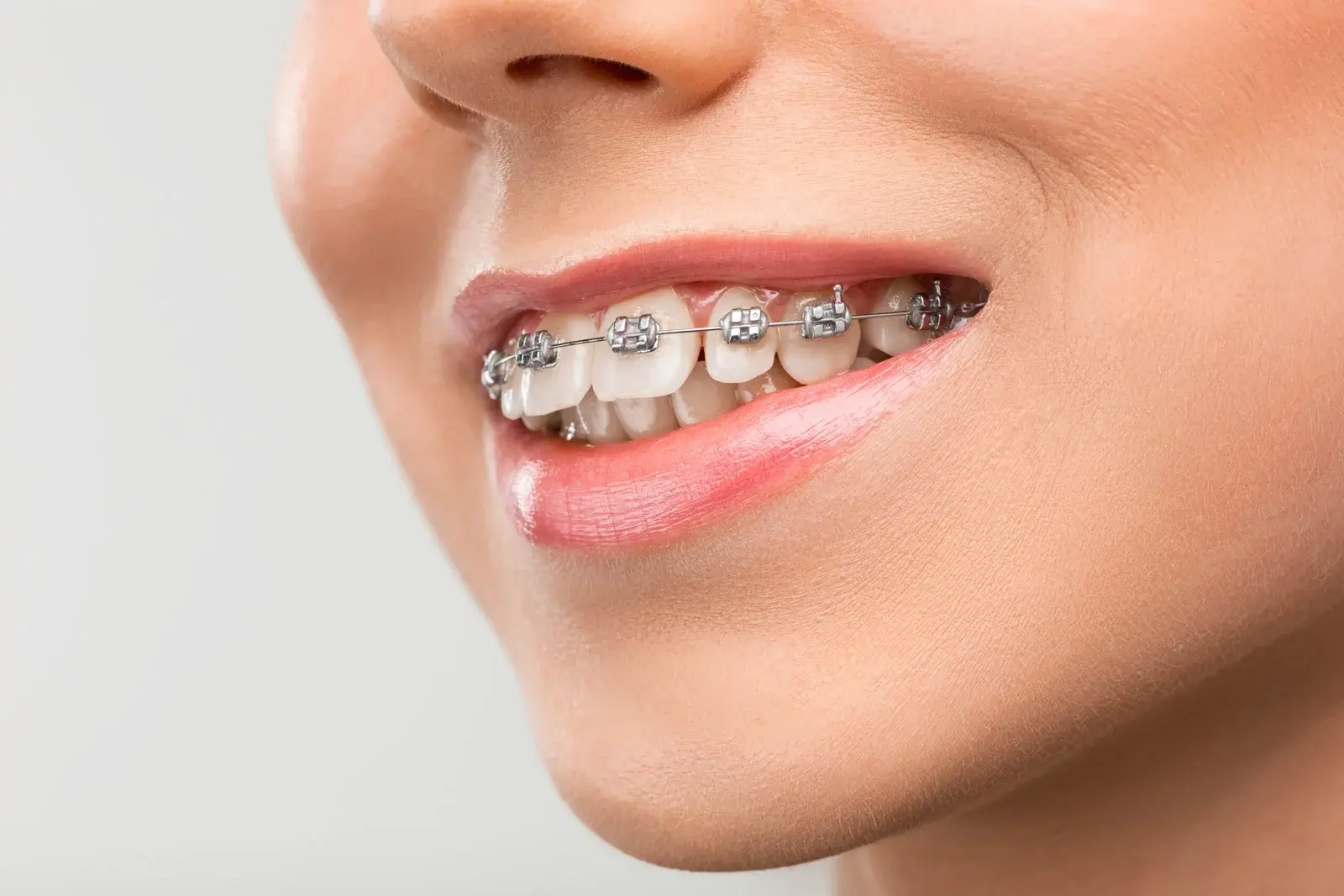
Can your orthodontic results disappear after all that effort? 🤔 Discover why retainers are essential and how to keep your perfect smile for years!
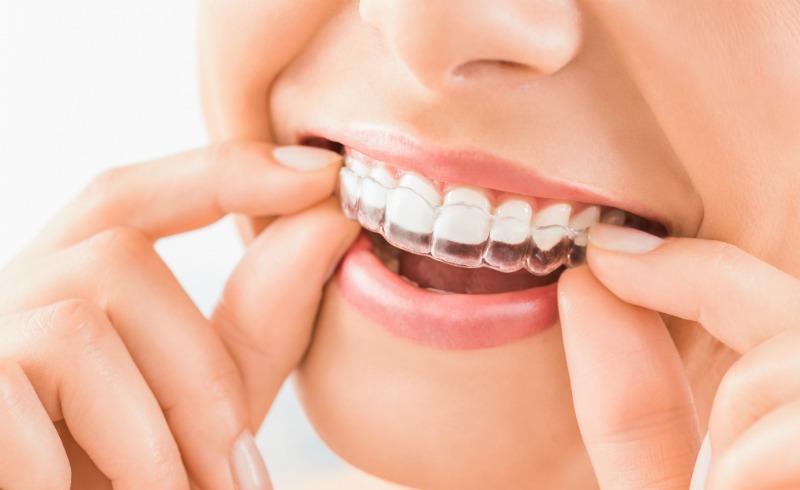
After completing orthodontic treatment, many patients think the journey is over. However, medically speaking, the most important phase begins now: the retainer phase, which is essential to maintain results and prevent teeth from shifting back to their original position.
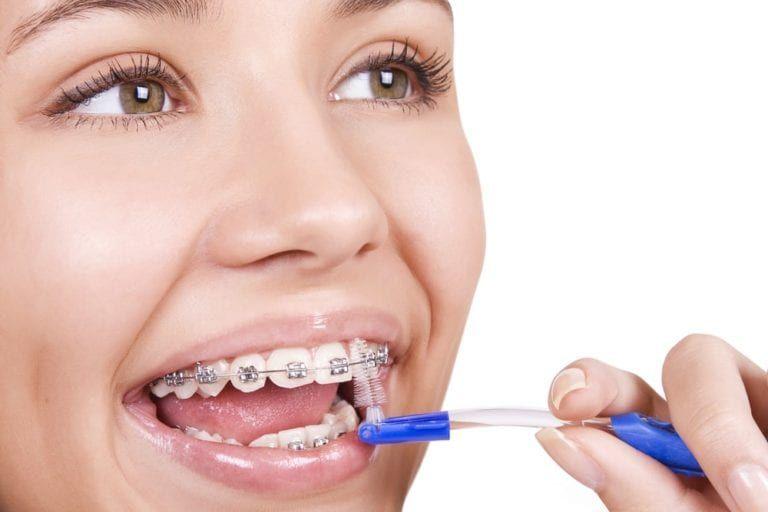
Orthodontic treatment is an important step to improve the appearance and function of teeth and jaws. However, it requires strict adherence to post-placement instructions to ensure treatment success and achieve the best possible results in the shortest time.
