New CAR T Cell Therapy May Halt Multiple Sclerosis Progression
University of London scientists test a groundbreaking immune cell therapy that could stop multiple sclerosis progression and reset the immune system.

In a major medical milestone, researchers from the University of London have begun testing a genetically engineered T-cell therapy (CAR T) designed to stop the progression of multiple sclerosis (MS) — a chronic autoimmune disease that attacks the nervous system.
The clinical trial, conducted at University College London Hospital (UCLH), marks a historic first in the UK, as Emily Henders, 37, became the first patient to receive the experimental intravenous treatment in October 2025.
The new therapy, known as obe-cel (obecabtagene autoleucel), was developed at the University of London’s Cancer Institute after proving highly successful in treating acute lymphoblastic leukemia. It works by reprogramming T cells to target B cells responsible for triggering the autoimmune attack, effectively resetting the immune system and halting disease progression.
According to researchers, this second-generation CAR T therapy offers greater safety and durability, with reduced toxicity and prolonged immune activity.
The treatment has already received approval from the FDA and the UK’s MHRA for leukemia but remains under clinical trials for autoimmune disorders, supported by the NIHR Biomedical Research Centre.
Experts believe this innovation could mark a turning point in the battle against multiple sclerosis, offering new hope for long-term remission and disease prevention.

Modern weight loss injections work by using hormones that regulate appetite and reduce feelings of hunger, which helps the body lose weight in a natural and safe way.
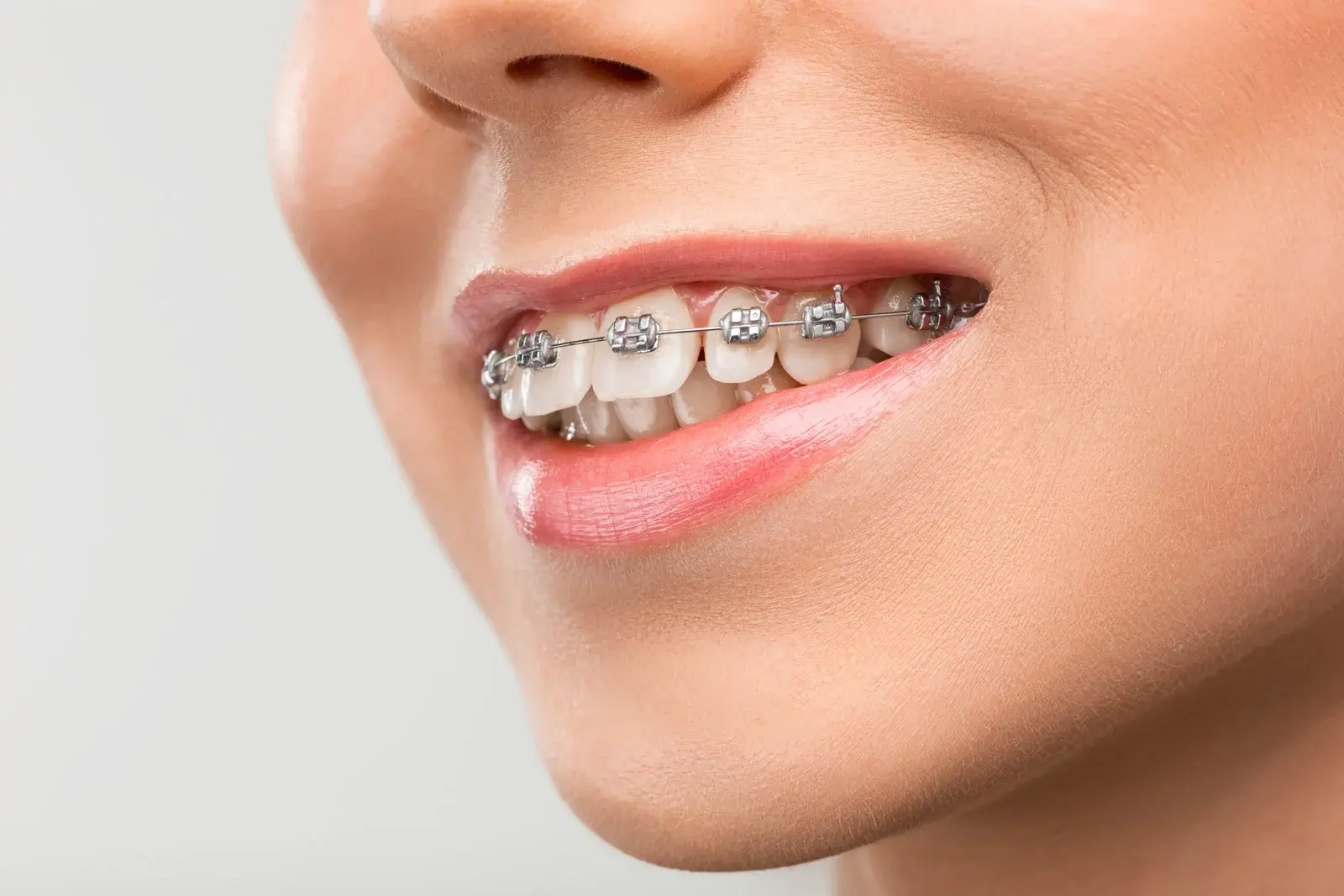
Can your orthodontic results disappear after all that effort? 🤔 Discover why retainers are essential and how to keep your perfect smile for years!
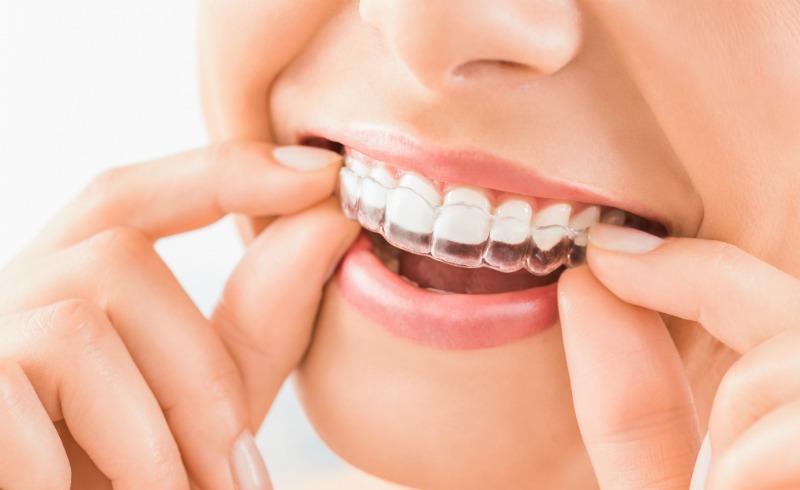
After completing orthodontic treatment, many patients think the journey is over. However, medically speaking, the most important phase begins now: the retainer phase, which is essential to maintain results and prevent teeth from shifting back to their original position.
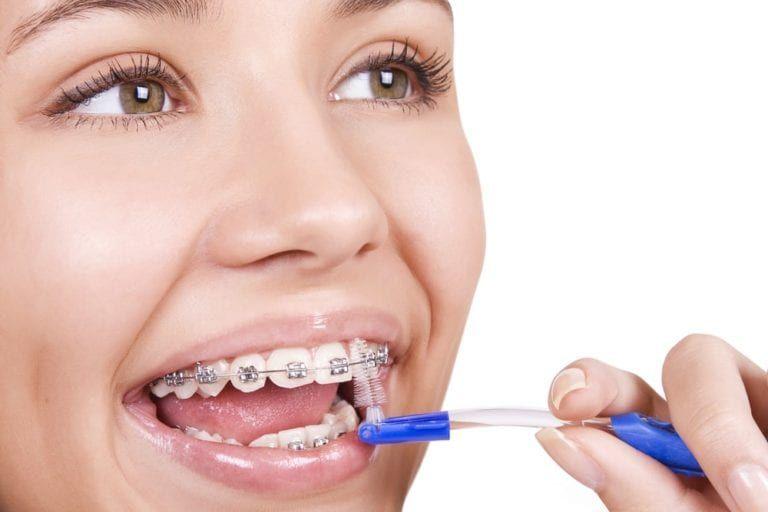
Orthodontic treatment is an important step to improve the appearance and function of teeth and jaws. However, it requires strict adherence to post-placement instructions to ensure treatment success and achieve the best possible results in the shortest time.
