New Coffee Compounds May Help Regulate Blood Sugar in Type 2 Diabetes
Recent research identifies previously unknown compounds in roasted coffee that could aid blood sugar control and improve insulin sensitivity.

A recent study discovered three previously unidentified compounds in roasted coffee beans that may help people with type 2 diabetes regulate blood sugar levels. These compounds slow carbohydrate breakdown, reducing sugar absorption and easing the strain on the body.
Researchers used advanced techniques such as nuclear magnetic resonance and liquid chromatography-mass spectrometry to isolate and analyze the coffee extracts. They identified three new compounds, named Cafaldehyde A, B, and C, which showed strong inhibition of alpha-glucosidase, an enzyme responsible for carbohydrate digestion.
The study also highlights the role of natural coffee polyphenols, like chlorogenic acid, in enhancing insulin sensitivity and reducing inflammation.
Caffeine: Benefits and Limits:
Caffeine has a minor role in blood sugar control, but it is not the main factor. Excessive caffeine intake can cause anxiety, restlessness, and sleep disturbances. The FDA recommends a maximum of 400 mg per day for most adults, roughly equivalent to four cups of coffee.
How coffee may help prevent type 2 diabetes:
-
Improves insulin sensitivity: Active compounds help the body use insulin more effectively, reducing diabetes risk.
-
Powerful antioxidants: Protect cells from free radical damage and chronic inflammation linked to diabetes.
For more details and the latest medical news, follow Masr Connect

You may begin your journey of treating back pain by visiting a top physiotherapy center or undergoing spinal adjustment sessions, and initially feel significant improvement. However, symptoms often return—or even worsen over time.You may begin your journey of treating back pain by visiting a top physiotherapy center or undergoing spinal adjustment sessions, and initially feel significant improvement. However, symptoms often return—or even worsen over time.
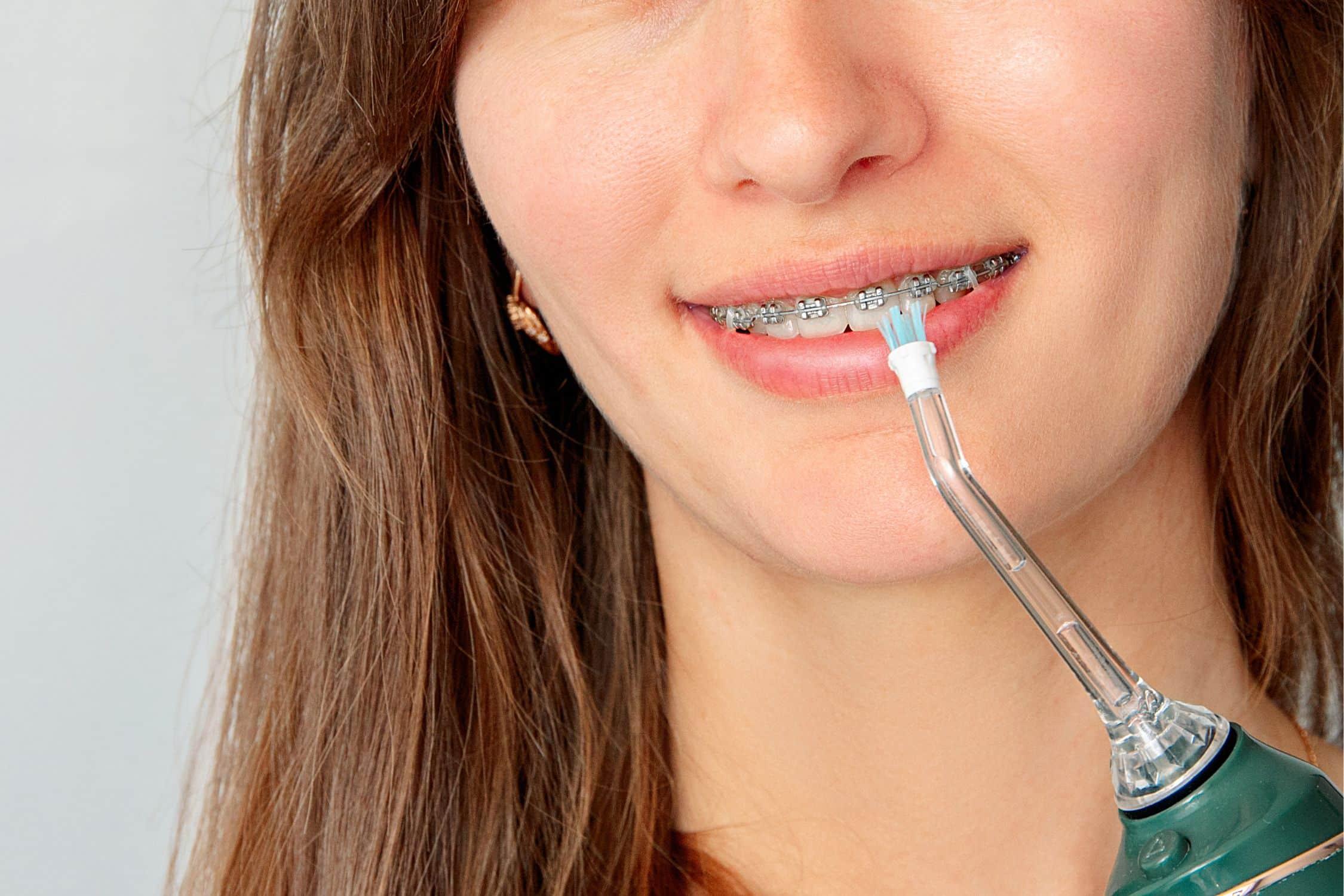
How to care for teeth after braces is one of the most important stages after orthodontic treatment, as the post-braces phase is just as crucial as the treatment itself.
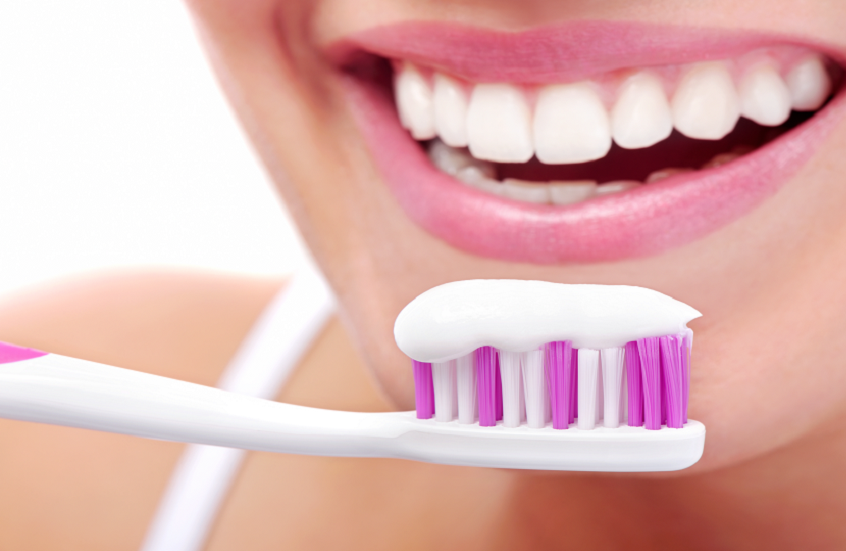
Choosing the best toothpaste by condition is not random, because every oral health problem requires a different type of care. A toothpaste that works for tooth sensitivity may not be the best option for cavities or gum disease.
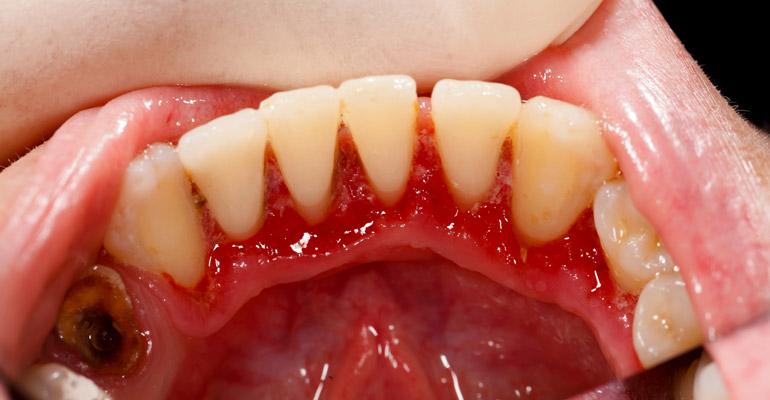
Gum problems and treatment is one of the most common topics in dentistry, as gum disease often starts mildly and progresses silently without obvious pain in the early stages, making many patients unaware until it becomes more advanced.
