During Eid al-Fitr, the aroma of traditional sweets such as cookies and biscuits fills homes, becoming an essential part of the celebrations and family visits. While enjoying these treats in moderation can add joy to the holiday, excessive consumption may lead to various health problems, according to nutrition experts.
High Calorie Content
Eid sweets such as cookies and biscuits are high in calories. A single piece may contain around 150 to 200 calories. Consuming several pieces throughout the day can significantly increase daily calorie intake, potentially leading to rapid weight gain.
Impact on Blood Sugar Levels
Eating large amounts of sugary desserts can cause a rapid spike in blood sugar levels followed by a sudden drop, which may lead to fatigue, dizziness, and low energy levels. This effect is particularly concerning for people with diabetes.
Effects of Saturated Fats on Heart Health
Many Eid desserts are prepared using butter or ghee, which are rich in saturated fats. Excessive intake of these fats may increase the risk of heart disease and clogged arteries over time.
Can Eid Cookies Affect Blood Pressure?
Although sweets may not directly raise blood pressure, excessive sugar and fat consumption can contribute to weight gain and fat accumulation, which may increase the risk of hypertension and cardiovascular problems in the long term.
Common Side Effects of Excessive Consumption
-
Rapid weight gain
-
Digestive issues such as bloating and acidity
-
Fluctuations in blood sugar levels
-
Fatigue and reduced concentration
-
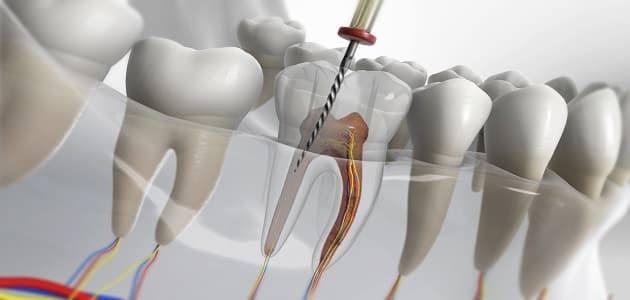
Higher risk of tooth decay and elevated cholesterol
Tips for a Healthier Celebration
Experts recommend enjoying Eid sweets in moderation. Healthier alternatives may include preparing desserts using natural sweeteners such as honey or dates. Spreading consumption throughout the day and avoiding overeating can help maintain good health while still enjoying the festive spirit.
For more health tips and updates follow Masr Connect