
Orthodontist in the Red Sea | Dr. Kholoud Mahmoud
Healthy teeth play a vital role in self-confidence and overall quality of life. Orthodontic treatment in the Red Sea is one of the most effective dental solutions for correcting misaligned teeth, treating bite problems, and improving the overall appearance of your smile. With the advancement of modern dentistry, orthodontic treatment has become more comfortable and effective, providing excellent results for patients of all ages.
If you suffer from crowded teeth, gaps between teeth, protruding front teeth, or bite alignment issues, orthodontic treatment may be the ideal solution to restore both the function and appearance of your smile.
Dr. Kholoud Mahmoud provides specialized orthodontic care through personalized treatment plans designed according to each patient's clinical examination and detailed assessment, ensuring the best possible outcomes.
Orthodontist in the Red Sea
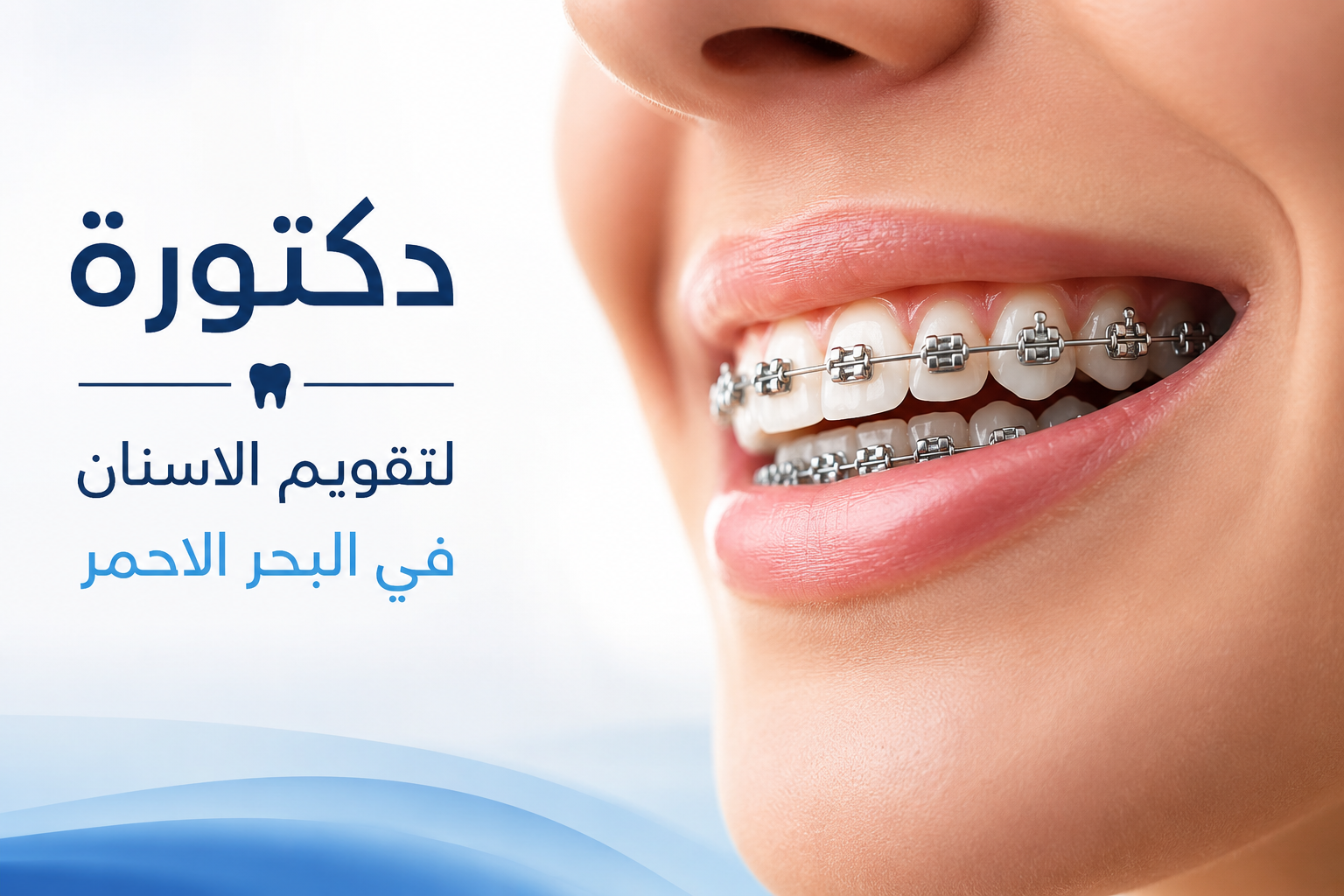
Orthodontic treatment in the Red Sea aims to correct crooked teeth, improve bite alignment, enhance oral function, and create a more attractive smile. The treatment journey begins with a comprehensive examination of the teeth and jaws, followed by a customized treatment plan. The most suitable orthodontic option is then selected, whether traditional metal braces, ceramic braces, or clear aligners, with regular follow-up visits until the desired results are achieved.
Why Is Orthodontic Treatment Important for Oral Health?
Many people believe orthodontic treatment is only intended to improve appearance. However, its benefits extend far beyond aesthetics, contributing significantly to oral health, gum health, and jaw function.
When teeth are misaligned, cleaning them becomes more difficult, increasing plaque and tartar buildup and raising the risk of tooth decay and gum disease. In addition, an improper bite can create uneven chewing forces, leading to tooth wear and jaw discomfort over time.
Therefore, receiving orthodontic treatment in the Red Sea is not only about achieving a beautiful smile but also about:
- Properly aligning the teeth.
- Making daily oral hygiene easier.
- Reducing the risk of gum disease.
- Improving chewing efficiency and speech.
- Distributing bite pressure evenly across the teeth.
- Boosting self-confidence through a more harmonious smile.
How Do You Know If You Need Orthodontic Treatment?
``` ```html
Signs You May Need Orthodontic Treatment
There are several signs that may indicate the need to visit an orthodontist for a comprehensive evaluation. The most common include:
Crowded Teeth
When there is not enough space for the teeth to erupt properly, they may overlap or become crooked. This not only affects the appearance of your smile but also makes brushing and flossing more difficult.
Gaps Between Teeth
Noticeable spaces between teeth may result from differences in tooth or jaw size. Orthodontic treatment can help close these gaps and create a more balanced, attractive smile.
Protruding Front Teeth
Protruding front teeth are one of the most common reasons patients seek orthodontic treatment in the Red Sea. Braces gradually move the teeth into their correct positions while improving overall facial harmony.
Bite Problems
Orthodontic treatment can effectively address several bite issues, including:
- Open bite
- Deep bite
- Underbite
- Crossbite
These conditions can affect chewing, speech, and may eventually contribute to temporomandibular joint (TMJ) problems if left untreated.
Difficulty Chewing
Improper tooth alignment can reduce chewing efficiency, making eating less comfortable and affecting overall oral function.
Jaw Pain or Clicking Sounds
In some cases, bite misalignment places excessive stress on the jaw joints. Orthodontic treatment helps distribute bite forces more evenly, reducing pressure on both the teeth and jaws.
Goals of Orthodontic Treatment
Orthodontic treatment combines functional and aesthetic benefits, aiming to achieve several important goals, including:
Improving Tooth Alignment
Teeth are gradually moved into their ideal positions using carefully controlled and safe orthodontic forces.
Correcting Jaw Relationships
Orthodontic treatment helps improve many types of malocclusion, enhancing bite function and chewing efficiency.
Enhancing Smile Aesthetics
A well-aligned smile gives patients greater confidence when speaking, smiling, and interacting with others.
Supporting Better Oral Health
Properly aligned teeth are easier to clean, reducing the risk of cavities and gum disease.
Improving Speech
Certain alignment problems can affect pronunciation. Depending on the individual case, orthodontic treatment may contribute to clearer speech.
Types of Orthodontic Treatment
The appropriate type of orthodontic treatment is selected after evaluating the patient's teeth and jaw condition. The most common options include:
Metal Braces
Metal braces remain one of the most widely used orthodontic solutions. They effectively treat mild to complex alignment problems while offering excellent durability and predictable results.
Advantages
- Suitable for most orthodontic cases.
- Highly effective treatment results.
- Durable for long-term use.
- More affordable than many alternative options.
Ceramic Braces
Ceramic braces use tooth-colored brackets, making them less noticeable than traditional metal braces. They are particularly popular among adults who prefer a more discreet appearance during treatment.
Advantages
- More aesthetic appearance.
- Ideal for professionals with frequent face-to-face interactions.
- Excellent treatment results when patient instructions are followed.
Clear Aligners
Clear aligners are suitable for selected orthodontic cases. Treatment consists of a series of transparent removable trays that gradually shift the teeth according to a customized treatment plan.
Who Are Clear Aligners Suitable For?
- Patients seeking a nearly invisible orthodontic solution.
- Mild to moderate orthodontic cases as determined by the orthodontist.
- Individuals committed to wearing the aligners for the recommended number of hours each day.
How Is the Right Orthodontic Treatment Selected?
Choosing the most appropriate orthodontic treatment is based on much more than patient preference. The orthodontist carefully evaluates several important factors, including:
- Severity of tooth misalignment.
- Condition of the gums and supporting bone.
- Patient's age.
- Type of bite problem.
- Expected treatment duration.
- Aesthetic preferences.
- Patient commitment to treatment instructions.
For this reason, every orthodontic treatment journey in the Red Sea begins with a comprehensive clinical examination and the necessary diagnostic imaging to establish an accurate diagnosis and develop a personalized treatment plan.
Dr. Kholoud Mahmoud's Experience in Orthodontics
Successful orthodontic treatment depends on accurate diagnosis, individualized treatment planning, and consistent follow-up throughout every stage of care. Dr. Kholoud Mahmoud is committed to providing comprehensive orthodontic care through detailed examinations, clear communication about every step of treatment, and continuous monitoring of tooth movement during each follow-up visit.
She also provides detailed guidance on daily orthodontic care to help patients maintain healthy teeth and gums while minimizing potential complications throughout treatment. Her primary goal is to achieve a healthy bite, a balanced smile, and long-lasting results tailored to each patient's individual needs.
``` ```html id="g7k91m"
How Does the Orthodontic Treatment Journey Begin?
Orthodontic treatment in the Red Sea follows a carefully planned process designed to achieve the best possible outcome for every patient. Since every case is unique, the treatment plan is customized based on the condition of the teeth, jaw alignment, age, and the specific orthodontic problem.
Dr. Kholoud Mahmoud ensures that every stage of treatment is clearly explained, answering all patient questions before treatment begins.
1. Comprehensive Clinical Examination
During the first visit, a detailed examination of the teeth, gums, and jaws is performed to evaluate:
- The degree of tooth crowding.
- The presence of gaps between teeth.
- The type of bite problem.
- Overall gum health.
- The condition of the supporting teeth.
- Whether any treatment is needed before braces are placed.
2. Diagnostic Imaging and Assessment
Accurate diagnosis depends on both the clinical examination and the necessary dental X-rays, which help evaluate:
- The position of the tooth roots.
- The relationship between the upper and lower jaws.
- The direction of tooth eruption.
- Any impacted teeth.
- The density and condition of the jawbone.
Based on the examination and imaging results, a personalized treatment plan is created.
3. Selecting the Appropriate Orthodontic Option
Once the diagnosis is complete, the orthodontist recommends the most suitable treatment option, such as:
- Metal braces.
- Ceramic braces.
- Clear aligners.
The choice is determined by the patient's clinical condition and expected treatment outcome rather than appearance alone.
4. Braces Placement
Braces are placed in the dental clinic without the need for surgery. The orthodontist carefully bonds the brackets to the teeth using specialized dental materials before attaching the orthodontic wire that gradually begins moving the teeth into their correct positions.
The procedure typically takes between 45 and 90 minutes, depending on the complexity of the case.
5. Regular Follow-Up Appointments
After orthodontic treatment begins, regular follow-up visits become an essential part of achieving successful results.
During these appointments, the orthodontist will:
- Monitor tooth movement.
- Adjust orthodontic wires when necessary.
- Check the health of the gums.
- Evaluate treatment progress.
- Provide ongoing instructions and recommendations.
Most follow-up visits are scheduled every 4 to 8 weeks, depending on the individualized treatment plan.
How Long Does Orthodontic Treatment Take?
One of the most frequently asked questions is how long orthodontic treatment will last. The answer depends on several important factors.
On average, treatment duration is:
- 6 to 12 months for mild cases.
- 12 to 24 months for most orthodontic cases.
- Longer for complex cases requiring significant correction of the teeth or jaws.
Several factors influence treatment time, including:
Patient's Age
Teeth generally move more quickly in children and teenagers than in adults.
Severity of the Orthodontic Problem
The greater the degree of crowding or bite misalignment, the longer treatment may require.
Patient Compliance
Attending scheduled appointments and carefully following the orthodontist's instructions directly impacts treatment efficiency and overall success.
Type of Orthodontic Treatment
Treatment duration may vary slightly depending on the type of braces or aligners selected and the personalized treatment plan.
Is Getting Braces Painful?
Many patients are concerned about discomfort before beginning treatment. Fortunately, the placement of braces itself is generally not painful, as no surgical procedures are involved.
However, mild pressure or temporary discomfort may occur for a few days after braces are placed or adjusted. This is a normal response as the teeth begin moving into their new positions.
In most cases, the discomfort gradually disappears within several days as patients become accustomed to wearing their braces.
How to Care for Your Teeth During Orthodontic Treatment
Proper daily oral care plays a major role in achieving successful orthodontic treatment while maintaining healthy teeth and gums.
Brush After Every Meal
Brushing after eating helps remove food particles that can accumulate around brackets and wires.
Use an Orthodontic Toothbrush
A toothbrush specifically designed for braces makes it easier to clean around orthodontic appliances effectively.
Use Dental Floss
Special orthodontic floss or floss threaders help clean between the teeth and underneath orthodontic wires.
Use an Antibacterial Mouthwash
A suitable mouthwash helps reduce bacterial buildup and supports healthy gums throughout treatment.
Attend Every Follow-Up Appointment
Keeping regular appointments ensures treatment progresses according to plan and allows necessary adjustments to be made on time.
Recommended Foods During Orthodontic Treatment
During the first few days after braces are placed, patients are encouraged to choose soft foods such as:
- Yogurt.
- Soup.
- Mashed potatoes.
- Rice.
- Pasta.
- Eggs.
- Soft cheese.
- Soft fruits.
Cutting food into small pieces also helps reduce pressure on the braces.
Foods to Avoid
To protect your braces from damage, it is recommended to avoid:
- Hard nuts.
- Ice.
- Hard candy.
- Sticky caramel and chewing gum.
- Popcorn.
- Very hard foods.
- Biting directly into apples or carrots without cutting them into smaller pieces.
Can Adults Get Orthodontic Treatment?
Absolutely. Orthodontic treatment is no longer limited to children and teenagers. Adults can also benefit from orthodontic care in the Red Sea after a comprehensive evaluation by the orthodontist.
Adult orthodontic treatment offers several advantages, including:
- Improved smile appearance.
- Correction of bite problems.
- Easier oral hygiene.
- Better chewing and oral function.
- Greater self-confidence.
Orthodontic Treatment for Children
Orthodontists often recommend an early orthodontic evaluation to identify potential problems with jaw growth or the eruption of permanent teeth.
Early diagnosis allows timely intervention, which may simplify future treatment and reduce the need for more complex procedures later.
When Will You Start Seeing Results?
Orthodontic results vary from one patient to another, but many patients begin noticing gradual improvements in tooth alignment during the first few months of treatment.
The best results are achieved by consistently following:
- Your orthodontist's instructions.
- Regular follow-up appointments.
- Daily oral hygiene routines.
- Proper care of your braces.
- Avoiding habits that may interfere with treatment.
It is important to remember that teeth move gradually and safely to protect the surrounding bone and supporting tissues. Patience and commitment are among the most important factors in achieving a successful orthodontic outcome.
```