Osteoporosis in Fifth Settlement | Prof. Doaa Salah Atta
Osteoporosis is a health condition that can develop for a long time without clear symptoms. In some cases, it is only discovered after a fracture caused by a minor injury or fall. Osteoporosis occurs when bone density decreases and the structure of the bones becomes weaker, making them more vulnerable to fractures.
In Fifth Settlement, Prof. Doaa Salah Atta, Professor and Senior Consultant of Rheumatology and Joints, provides medical evaluation for conditions related to bone and joint health. Appointments are available at HCC Clinic on 90th Street, behind Air Force Hospital, second floor, Clinic 215 at The Clinic.
For appointments and inquiries:
- 📞 01022222548
- 📞 01012373337
- 📞 01033927700
- ☎️ 0228124215
- ☎️ 0228124216
Consultation hours: Wednesday from 11 AM to 3 PM.
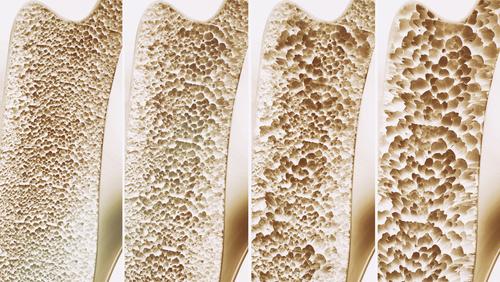
What Is Osteoporosis?
Osteoporosis is a condition in which bones become less dense and weaker, increasing the risk of fractures. Bones are not static tissue; they continuously go through processes of formation, breakdown, and renewal. When bone loss becomes greater than new bone formation, bone strength may gradually decrease.
It is important to note that osteoporosis is different from ordinary bone or joint pain. Osteoporosis itself may not cause obvious symptoms during its early stages.
What Are the Symptoms of Osteoporosis?
In many cases, there are no specific symptoms during the early stages, which is why osteoporosis is sometimes described as a silent condition. The problem may become apparent when a fracture occurs, particularly in areas such as the hip, spine, or wrist.
Signs that may require medical evaluation include:
- A fracture following a relatively minor injury.
- Gradual loss of height.
- Changes in posture or increased curvature of the back.
- Back pain that may be related to fractures of the spinal vertebrae.
- Low bone density detected during appropriate testing.
Having one of these signs does not necessarily mean that a person has osteoporosis. Medical evaluation depends on the health history, physical examination, and appropriate tests.
What Causes Osteoporosis and What Are the Risk Factors?
Several factors can increase the likelihood of developing osteoporosis. These include aging, certain hormonal changes, low physical activity, inadequate intake of calcium and vitamin D, as well as certain diseases and medications that may affect bone health.
A family history of fractures related to weak bones may also be a factor that requires additional attention.
Risk factors do not mean that osteoporosis is certain to occur, but they can help the doctor identify people who may need more detailed evaluation.
Osteoporosis in Women After Menopause
Bone health becomes particularly important for women after menopause because hormonal changes can affect the rate of bone loss.
Medical follow-up may therefore be important, especially when additional risk factors are present. The doctor can determine whether bone density testing or other steps are needed according to the individual condition.
How Is Osteoporosis Diagnosed?
Osteoporosis cannot be diagnosed based on symptoms alone because the condition may exist without noticeable symptoms. The doctor evaluates the patient's health status and risk factors and may recommend bone density measurement when necessary.
Additional blood tests or other examinations may sometimes be needed to identify factors affecting bone health or to rule out other conditions. The required tests vary from person to person.
Why Is Early Detection of Osteoporosis Important?
Early detection can help identify reduced bone density and assess the risk of fractures before some complications occur. It also allows the doctor to develop an appropriate plan to support bone health and reduce risk factors according to the individual's condition.
For this reason, it is better not to wait until a fracture occurs before paying attention to bone health, especially in people with known risk factors.
How Can You Maintain Healthy Bones?
Several habits can support bone health, including:
- Following a balanced diet that provides essential nutrients for bone health.
- Getting an appropriate amount of calcium and vitamin D according to individual needs.
- Engaging in physical activity that is suitable for the person's health condition.
- Avoiding smoking.
- Reducing factors that may increase the risk of falls and fractures, particularly among older adults.
- Following medical advice when risk factors or a previous diagnosis of low bone density are present.
Supplements or medications for osteoporosis should not be taken without medical evaluation, as individual needs vary.
When Should You Consult a Rheumatology and Joint Specialist?
Medical consultation may be important when there are factors that increase the likelihood of weak bones, when a fracture occurs following a minor injury, or when there is a medical or medication history that may affect bone density.
A consultation helps determine whether additional tests are needed and which steps are appropriate based on age, health status, and individual risk factors.
Prof. Doaa Salah Atta – Professor and Senior Consultant of Rheumatology and Joints
If you are looking for osteoporosis evaluation in Fifth Settlement, you can book an appointment with Prof. Doaa Salah Atta, Professor and Senior Consultant of Rheumatology and Joints, at the Fifth Settlement clinic.
📍 Address: HCC Medical Building – 90th Street – behind Air Force Hospital – second floor – Clinic 215 – The Clinic.
⏰ Consultation hours: Wednesday from 11 AM to 3 PM.
📞 For appointments and inquiries:
01022222548 – 01012373337 – 01033927700
0228124215 – 0228124216
Frequently Asked Questions About Osteoporosis
Does osteoporosis always cause pain?
Not necessarily. Osteoporosis may not cause noticeable symptoms during its early stages. Pain may occur when a fracture develops, particularly in the spinal vertebrae.
Can osteoporosis be detected before a fracture occurs?
Yes. Bone density can be assessed through appropriate testing, and the doctor determines whether testing is needed based on risk factors and overall health.
Does everyone develop osteoporosis with age?
No. Aging increases the likelihood of bone loss, but osteoporosis depends on several factors, including health, hormonal changes, lifestyle, and other individual factors.
Can osteoporosis be prevented?
Some risk factors can be reduced through a balanced diet, appropriate physical activity, attention to bone health, and medical follow-up when necessary.
Conclusion
Osteoporosis can develop without clear symptoms, so paying attention to risk factors and undergoing appropriate evaluation can help identify weak bones early and reduce the risk of fractures. Management depends on medical assessment that takes each person's health and individual needs into account.
If you need osteoporosis evaluation in Fifth Settlement, you can contact Prof. Doaa Salah Atta to book an appointment at HCC Clinic.