Parkinson’s Patient Plays Clarinet During Brain Surgery in London
In an extraordinary medical moment, a British woman with Parkinson’s disease played the clarinet during brain surgery, helping doctors monitor the success of the operation in real time.
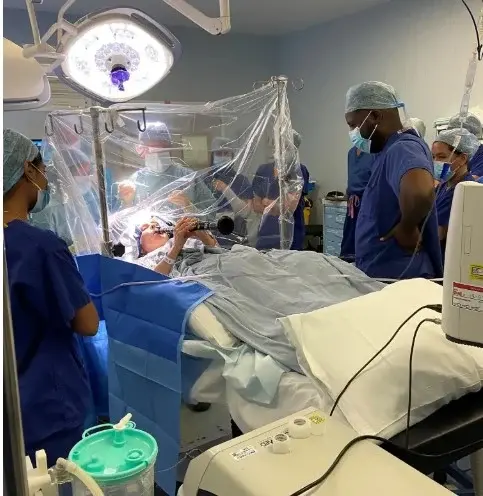
In a powerful blend of science and humanity, surgeons at King’s College Hospital in London performed a groundbreaking four-hour brain surgery on a 65-year-old woman suffering from Parkinson’s disease — as she played her beloved clarinet.
The procedure, known as Deep Brain Stimulation (DBS), involves implanting electrodes in specific brain regions to deliver electrical impulses that regulate abnormal neural activity. According to the Mayo Clinic, the system functions like a pacemaker, with a pulse generator placed under the skin in the chest connected to wires that reach the brain.
Diagnosed in 2014, the patient had gradually lost her ability to play, walk, and dance due to the disease. During surgery, the clarinet served as a live indicator of progress — and as the stimulation began, her finger movements improved instantly, allowing her to play with newfound ease.
The hospital noted that the operation was conducted under local anesthesia, keeping the patient awake so doctors could assess her motor responses. Since the brain itself lacks pain receptors, she was able to remain conscious without discomfort.
This remarkable procedure stands as a symbol of resilience and innovation — proving that with science, skill, and the human spirit, even silence can be turned back into song.

Modern weight loss injections work by using hormones that regulate appetite and reduce feelings of hunger, which helps the body lose weight in a natural and safe way.
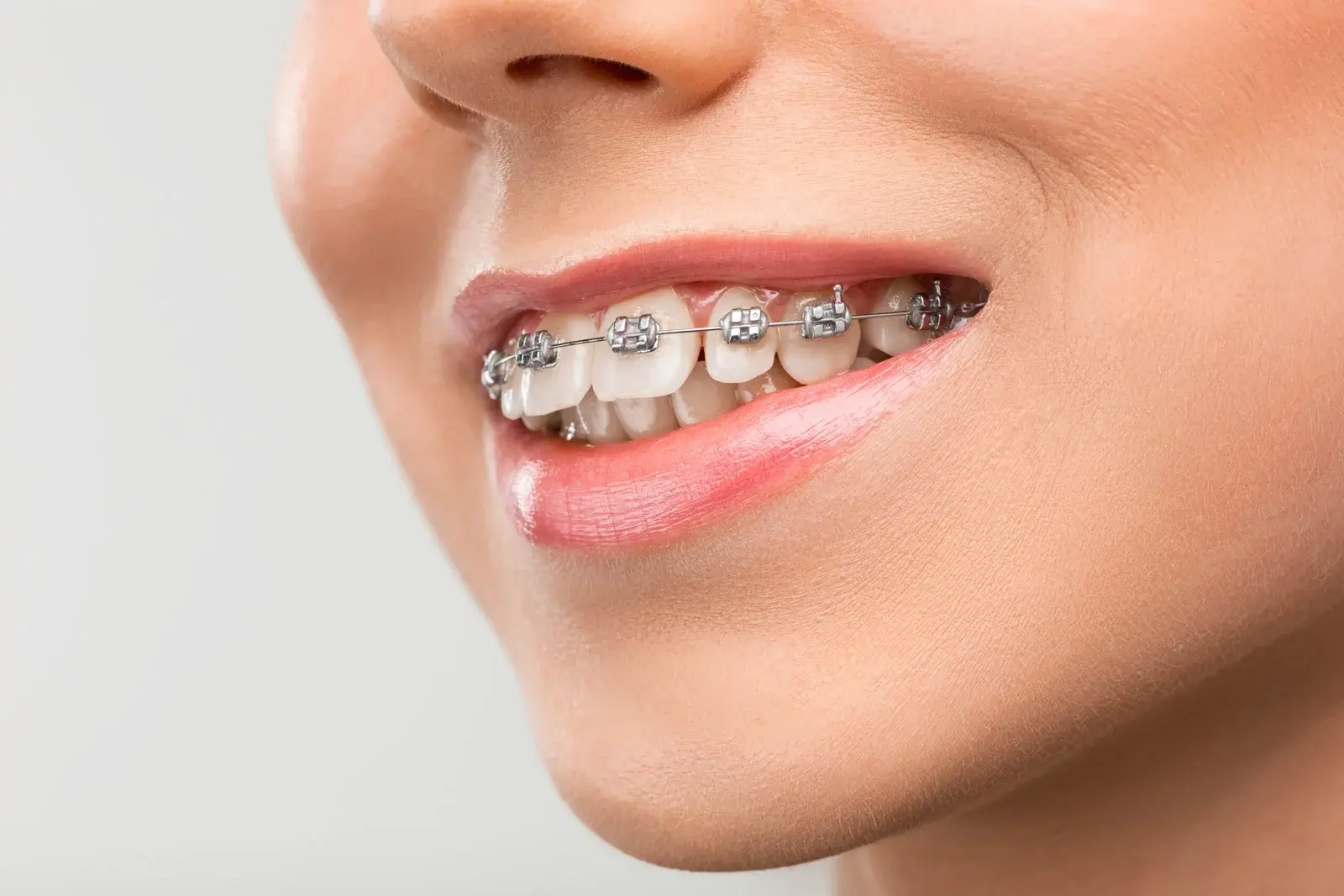
Can your orthodontic results disappear after all that effort? 🤔 Discover why retainers are essential and how to keep your perfect smile for years!
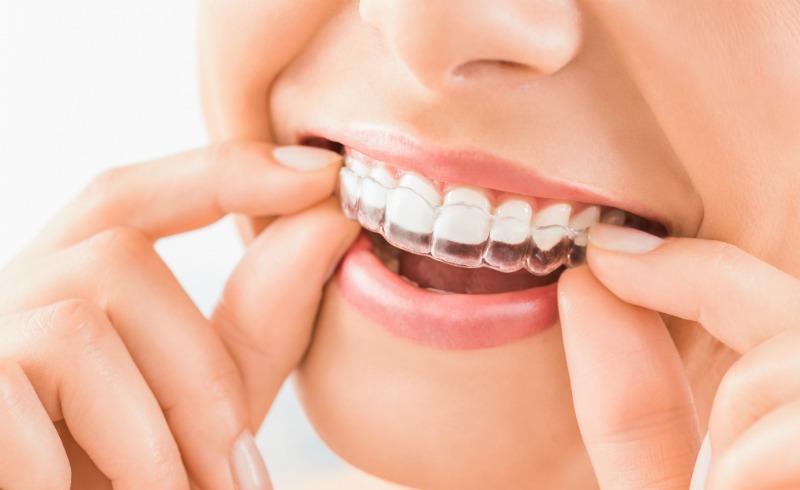
After completing orthodontic treatment, many patients think the journey is over. However, medically speaking, the most important phase begins now: the retainer phase, which is essential to maintain results and prevent teeth from shifting back to their original position.
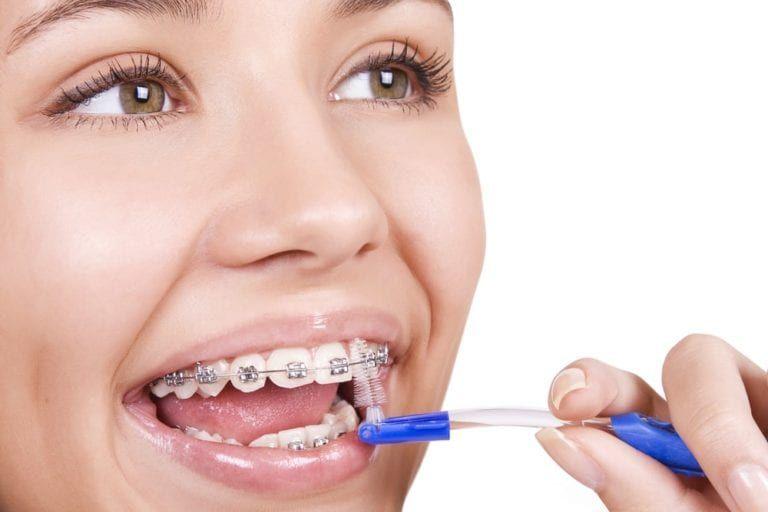
Orthodontic treatment is an important step to improve the appearance and function of teeth and jaws. However, it requires strict adherence to post-placement instructions to ensure treatment success and achieve the best possible results in the shortest time.
