
In the quiet comfort of everyday meals, pasta often finds itself misunderstood. For years, it has been blamed as a cause of weight gain—but the truth is far more nuanced.
Nutrition experts agree that pasta itself isn’t the problem; it’s how it’s served. As a rich source of carbohydrates, it provides essential energy for muscles, the brain, and the nervous system. It also contains important nutrients like B vitamins and iron, especially in fortified varieties.
Whole grain pasta goes a step further, offering fiber that slows digestion, stabilizes blood sugar, and promotes fullness. Meanwhile, modern alternatives made from lentils or chickpeas bring higher protein content, making them even more suitable for balanced diets.
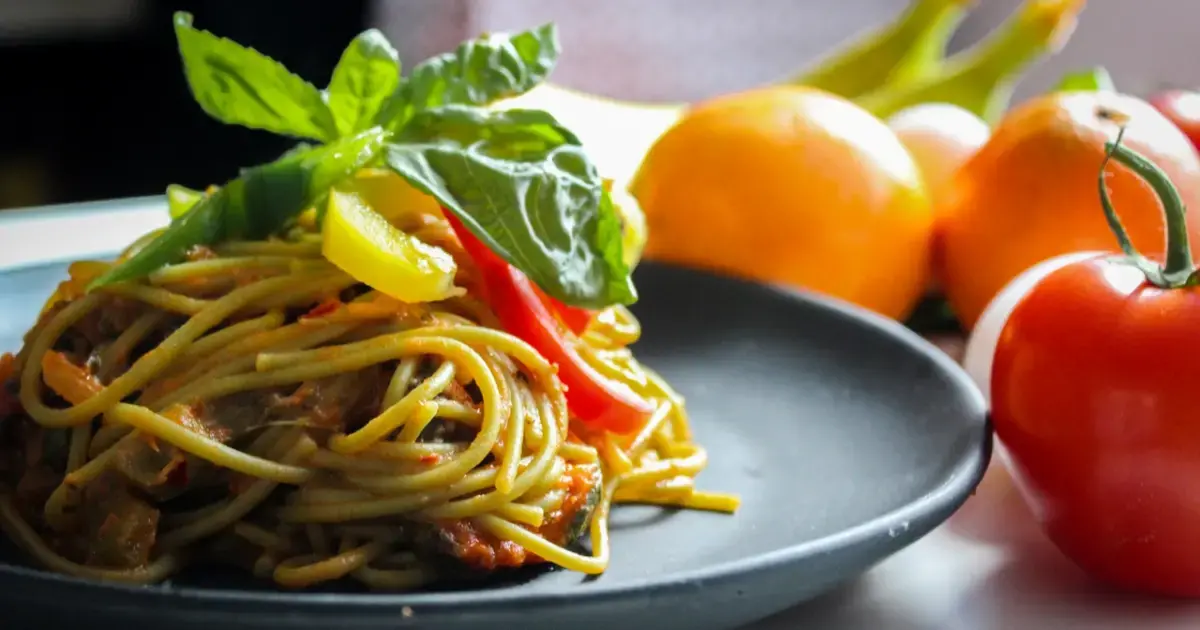
The real issue often lies in what accompanies pasta. Heavy cream sauces, excessive cheese, butter, and processed meats can quickly turn a simple dish into a high-calorie meal. On the other hand, pairing pasta with vegetables, lean proteins, and a touch of olive oil creates a nourishing and satisfying plate.
Portion control is key. A standard serving—about 75 grams of dry pasta—can deliver energy without excess.
As for bloating, it may not always be the pasta itself but rather sensitivities to gluten or certain fermentable carbohydrates found in wheat, especially when consumed in large amounts.
Even cooking methods matter. Cooked and cooled pasta develops “resistant starch,” which digests more slowly, supporting gut health and steady energy levels.
In the end, pasta isn’t the enemy—it reflects our choices. Treat it wisely, and it becomes balance on a plate.