
🩺 Polycystic Ovary Syndrome (PCOS) from a Modern Medical Perspective in Nasr City | Dr. Rania El Awady
At first glance, polycystic ovary syndrome (PCOS) may seem to be mainly associated with irregular periods or difficulty getting pregnant. However, the modern medical perspective is more comprehensive. PCOS is considered a hormonal and metabolic disorder that may affect ovulation, menstrual cycles, fertility, weight, skin, and hair. Therefore, managing PCOS should not depend on a single symptom or ultrasound finding, but rather on a comprehensive medical evaluation that determines the nature of the condition and the individual needs of each woman.
In Nasr City, Dr. Rania El Awady, Consultant of Obstetrics and Gynecology and Female Cosmetic Gynecology and Head of the Obstetrics and Gynecology Department at ERMC Hospital, provides specialized care for women's health conditions, including menstrual disorders, ovulation problems, and fertility concerns, based on appropriate medical assessment and diagnostic tests for each case.
📞 Contact Information for Dr. Rania El Awady
Consultant of Obstetrics and Gynecology and Female Cosmetic Gynecology
Head of the Obstetrics and Gynecology Department at ERMC Hospital
🎓 Academic Qualifications:
-
Master's Degree in Obstetrics and Gynecology – Ain Shams University.
-
Bachelor's Degree in Medicine and Surgery.
-
Diploma in Female Cosmetic Gynecology – American Society of Cosmetic Gynecology.
-
Advanced training course in ultrasound.
💼 Professional Experience:
Dr. Rania El Awady has 18 years of experience in obstetrics, gynecology, and female cosmetic gynecology.
📍 Clinic Address:
47 Abdel Razek El-Sanhoury Street, off Makram Ebeid, Nasr City – 2nd Floor, above H2O Gym.
📞 For Appointments and Inquiries:
🔎 What Is Polycystic Ovary Syndrome from a Modern Medical Perspective?
When discussing polycystic ovary syndrome, it is important to distinguish between having multiple small follicles or a particular ovarian appearance on ultrasound and having PCOS as a more complex hormonal condition.
A specific ovarian appearance on ultrasound does not necessarily mean that a woman has PCOS. Similarly, the diagnosis of PCOS does not depend on ultrasound findings alone.
The condition can also present differently from one woman to another. For some women, the main issue may be irregular ovulation or menstrual cycles, while others may experience symptoms associated with increased androgen activity, such as excessive hair growth or acne.
For this reason, the modern approach focuses on evaluating a combination of signs, symptoms, and appropriate medical tests rather than relying on a single finding.
🧬 What Causes Polycystic Ovary Syndrome?
There is no single cause responsible for PCOS in every woman. The condition is associated with a combination of genetic, hormonal, and metabolic factors.
Factors that may be associated with the development or worsening of PCOS symptoms include:
-
Ovulation disorders.
-
Elevated androgen levels or increased androgen activity.
-
Insulin resistance in some women.
-
A family history of PCOS.
-
Certain factors related to weight and lifestyle.
This is why PCOS should not be managed in exactly the same way for every woman. The follow-up and treatment plan should be tailored to the symptoms, health status, and individual goals of each patient.
🩸 Common Symptoms of Polycystic Ovary Syndrome
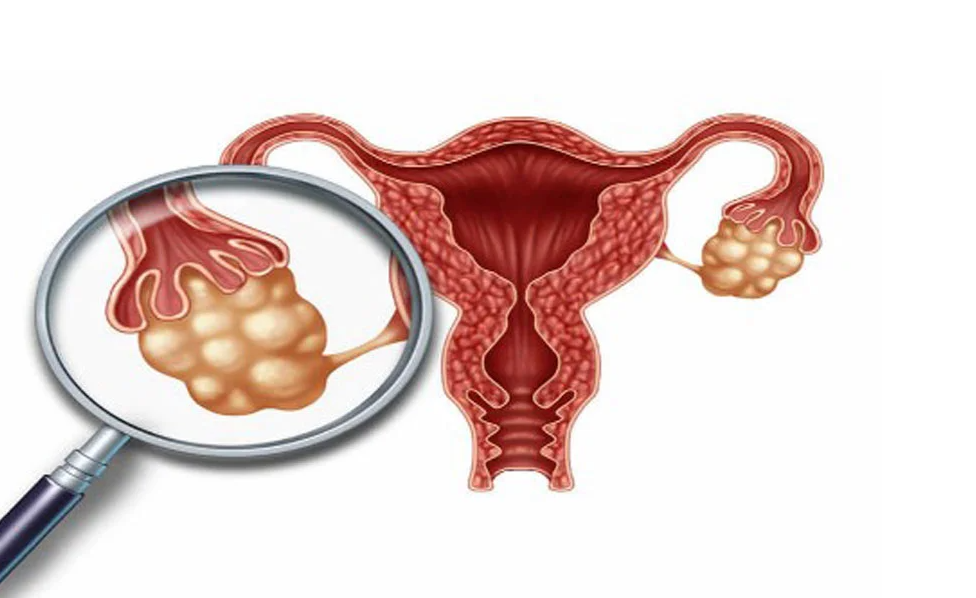
PCOS symptoms can vary in severity, and not every woman experiences all of them.
Common symptoms include:
📅 Irregular Menstrual Cycles
Menstrual periods may become irregular or occur less frequently because of ovulation problems. In some cases, periods may stop for extended periods.
🥚 Irregular or Absent Ovulation
Ovulation disorders are among the most common problems associated with PCOS and may contribute to difficulty getting pregnant in some women.
🤰 Difficulty Getting Pregnant
When ovulation does not occur regularly, the chances of conception may decrease during some menstrual cycles. However, having PCOS does not necessarily mean that a woman cannot become pregnant.
🧔 Excessive Hair Growth
Some women may experience increased hair growth on areas such as the face, chest, or abdomen due to increased androgen activity.
🧴 Acne and Increased Skin Oiliness
Skin problems and increased oil production may occur as part of the symptoms associated with elevated androgen activity in some women.
⚖️ Weight Changes
PCOS may be associated with weight gain or difficulty managing weight in some women. However, not every woman with PCOS is overweight.
🩻 How Is Polycystic Ovary Syndrome Diagnosed?
An accurate diagnosis of PCOS does not depend on an ultrasound scan alone.
The evaluation usually begins with a discussion of the patient's medical history, menstrual cycle pattern, associated symptoms, and the main reason for consultation, whether the goal is to regulate menstrual cycles, evaluate ovulation, manage symptoms related to androgen excess, or investigate difficulty getting pregnant.
Depending on the symptoms and individual circumstances, the evaluation may include hormonal tests or other laboratory investigations, along with an ultrasound examination when medically appropriate.
The main purpose of this evaluation is to confirm the diagnosis and rule out other conditions that may cause similar symptoms.
⚠️ Does Every Ovarian Cyst Mean PCOS?
No.
There is an important difference between an ovarian cyst and polycystic ovary syndrome.
An ovarian cyst may be a single cyst or a specific type of cyst that develops for different reasons. PCOS, on the other hand, is a hormonal and metabolic condition with specific diagnostic criteria and a range of possible symptoms.
Therefore, a woman should not assume that she has PCOS simply because the word "cyst" appears in an ultrasound report or because small follicles are seen on the ovaries.
🌿 What Is the Modern Approach to PCOS Treatment?
Modern treatment of PCOS does not rely on one medication for every woman. Instead, the treatment plan is determined according to the symptoms, medical condition, and individual treatment goals.
A woman whose main concern is irregular periods may require a different approach from a woman who is trying to conceive. Another patient may need treatment focused on androgen-related symptoms or metabolic factors.
🥗 Lifestyle Management
Improving lifestyle habits is an important part of managing PCOS, particularly when excess weight or metabolic risk factors are present.
This may include:
-
Following a balanced diet.
-
Engaging in regular physical activity.
-
Getting adequate and regular sleep.
-
Reducing habits that may negatively affect overall health.
This does not mean that weight loss is the only solution for every woman. Modern PCOS management is increasingly individualized and considers the patient's overall health, symptoms, and personal needs.
💊 Managing Menstrual and Hormonal Symptoms
Certain hormonal treatments may be used to help regulate menstrual cycles and reduce some symptoms associated with increased androgen activity, depending on the woman's medical condition and after appropriate medical evaluation.
🥚 Managing Ovulation Problems and Fertility
When pregnancy is the goal and irregular ovulation is associated with PCOS, the doctor can evaluate fertility factors and determine appropriate ovulation-induction options based on the individual case.
Ovulation-inducing medications should not be taken without medical supervision, as selecting the appropriate treatment, dosage, and monitoring requires professional care.
❤️ Does PCOS Affect Fertility?
PCOS may affect fertility because of irregular or absent ovulation, but it does not mean that pregnancy is impossible.
The chances of pregnancy vary from one woman to another and depend on several factors, including age, ovulation pattern, overall health, and fertility factors affecting both partners.
Therefore, when a woman has PCOS and difficulty getting pregnant, a comprehensive fertility evaluation is generally more useful than focusing on PCOS alone.
🧪 Why May Women with PCOS Need Metabolic Follow-Up?
The modern approach to PCOS does not focus only on menstrual cycles and fertility. Some women with PCOS may have an increased risk of certain metabolic problems, including insulin resistance and abnormalities in blood sugar or lipid levels.
For this reason, a doctor may recommend certain metabolic tests depending on individual risk factors and the patient's overall health.
This highlights the importance of medical follow-up. The goal is not only to manage symptoms that are present today, but also to monitor overall health over the long term.
👩⚕️ When Should You See a Gynecologist?
Medical evaluation is recommended when you experience:
-
Persistent irregular menstrual cycles.
-
Repeated missed or absent periods.
-
Noticeable excessive hair growth.
-
Persistent or severe acne.
-
Symptoms associated with hormonal imbalance.
-
Difficulty getting pregnant associated with ovulation problems.
-
Unexplained changes in hormonal symptoms.
New symptoms or significant changes in your menstrual pattern should also be evaluated rather than automatically assuming that PCOS is the cause.
📍 PCOS Treatment and Evaluation in Nasr City with Dr. Rania El Awady
If you are looking for a gynecologist in Nasr City to evaluate menstrual disorders, ovulation problems, or symptoms of polycystic ovary syndrome, Dr. Rania El Awady provides specialized experience in obstetrics and gynecology, in addition to her expertise in female cosmetic gynecology.
Medical follow-up is based on understanding the patient's symptoms and medical history and performing the diagnostic tests considered appropriate by the doctor, rather than treating every case of PCOS in exactly the same way.
📍 Clinic:
47 Abdel Razek El-Sanhoury Street, off Makram Ebeid, Nasr City – 2nd Floor, above H2O Gym.
📞 For Appointments: 01113942312
❓ Frequently Asked Questions About PCOS
Does PCOS Mean That There Are Cysts on the Ovaries?
Not necessarily. Polycystic ovary syndrome is a hormonal condition with a specific combination of diagnostic features and symptoms. It does not simply mean that there is a cyst on the ovary.
Can You Get Pregnant with PCOS?
Yes. Many women with PCOS can become pregnant. However, irregular ovulation may make conception more difficult for some women and may require appropriate medical evaluation and treatment.
Is Ultrasound Enough to Diagnose PCOS?
No. PCOS diagnosis does not depend on ultrasound alone. Symptoms, medical history, appropriate laboratory tests, and the exclusion of other possible causes should all be considered.
Does Every Woman with a Polycystic Ovary Appearance on Ultrasound Need Treatment?
Not necessarily. Medical management depends on the complete diagnosis, symptoms, health status, and individual goals rather than the ultrasound result alone.
Can PCOS Go Away Permanently?
PCOS is a condition whose symptoms and associated health concerns can be managed through an individualized treatment and follow-up plan. Symptoms and medical needs may also change over time.
🌸 Final Thoughts
PCOS is more than just an irregular menstrual cycle, and seeing multiple follicles on an ovary does not automatically mean that a woman has polycystic ovary syndrome. The modern approach focuses on evaluating the woman as a whole, taking into account menstrual patterns, ovulation, hormonal symptoms, metabolic health, and individual treatment goals.
When persistent symptoms, menstrual irregularities, or difficulty getting pregnant occur, consultation with a specialized gynecologist can help establish a more accurate diagnosis and develop an appropriate follow-up and treatment plan.