
Health experts warn that millions may suffer from a hidden deficiency in potassium, an essential mineral that protects the heart and reduces the risk of heart attacks and strokes. Early symptoms are often subtle, including dizziness, constipation, and mood changes that may develop into depression.
Warning Signs of Low Potassium:
-
Muscle cramps, especially in the toes.
-
Constipation, headaches, and tension.
-
Heart palpitations and digestive symptoms.
-
Difficulty breathing; severe deficiency may cause mood disturbances leading to depression.
Adults are recommended to consume about 3500 mg of potassium daily, yet around 10% of men and 24% of women do not meet this requirement, and roughly one-third of teenagers also experience deficiency.
Potassium’s Impact on Heart and Health:
Higher dietary potassium levels are linked to a 24% lower risk of heart disease or death from any cause, while potassium-rich diets may reduce the risk of stroke by approximately 20%.
Prevention and Compensation:
-
Improve diet by reducing salt intake and using low-sodium alternatives.
-
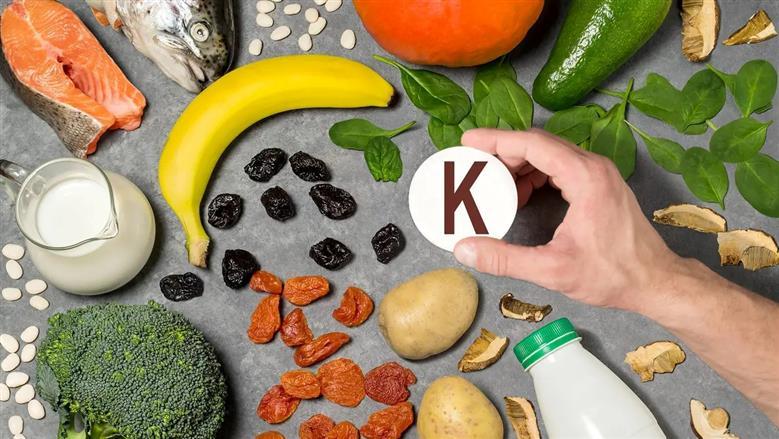
Eat potassium-rich foods such as baked potatoes with skin, leafy greens, white beans, yogurt, tuna, and fruit juices.
-
Supplements may be used when necessary, but individuals with kidney problems must be cautious due to risk of potassium accumulation and heart complications.
For more details and latest updates, follow Misr Connect website