
Pregnancy and Fasting: When Is It Safe? When Is It Risky?
Written and Supervised by: Dr. Mona Mohamed Nassar – Consultant in Obstetrics and Gynecology (Over 30 Years of Experience)
Location: Mokattam – Cairo
Clinic Address: 5 El-نافورة Square – Mokattam, Cairo
For Appointments & Inquiries: 01113143296 – 01006950327
Fasting During Ramadan and Pregnancy
Fasting during Ramadan is a personal decision for pregnant women. For some, it may be safe — for others, it may pose risks to the mother or fetus.
There is no universal rule that applies to all pregnancies. The decision should always be individualized after medical evaluation and follow-up.
Is Fasting Prohibited During Pregnancy?
From a medical perspective, fasting may not harm a healthy pregnancy in some cases. However, if there are concerns about maternal or fetal health, fasting is not recommended.
Medical recommendations emphasize consulting with a healthcare provider before deciding.
When Is Fasting Generally Considered Safe?
Fasting may be an acceptable option (with doctor approval) if the following conditions exist:
- Pregnancy is stable with no complications (diabetes, hypertension, bleeding, or preterm contractions).
- Fetal movements are normal with regular check-ups.
- No history of serious complications in previous pregnancies.
- The mother can maintain adequate nutrition and fluid intake between Iftar and Suhoor and avoid stress or heat.
Important Note:
Some studies suggest that fasting does not always show clear major effects on birth weight or preterm delivery. However, fatigue, dehydration, and reduced weight gain are commonly reported concerns — so close monitoring is essential.
When Is Fasting Risky and Not Recommended?
If any of the following conditions exist, fasting is generally not advised unless closely supervised by a doctor:
Gestational diabetes or pre-existing diabetes.
Severe anemia or significant iron deficiency.
Severe vomiting or persistent nausea causing dehydration.
High blood pressure, preeclampsia, or history of hypertension.
Vaginal bleeding or unusual abdominal pain.
Fetal growth restriction or low amniotic fluid.
History of preterm birth or cervical shortening.
Twin pregnancy with high nutritional demands or significant fatigue.
Warning Signs — Break Your Fast Immediately If These Occur
Severe dizziness, fainting, or marked weakness.
Intense headache with blurred vision.
Severe dehydration (excessive thirst, reduced urination, dark urine).
Persistent painful contractions or abdominal pain.
Noticeable decrease in fetal movements.
Continuous vomiting or diarrhea causing fluid loss.
If you feel unwell or concerned about your health or your baby’s health — it is safer to stop fasting.
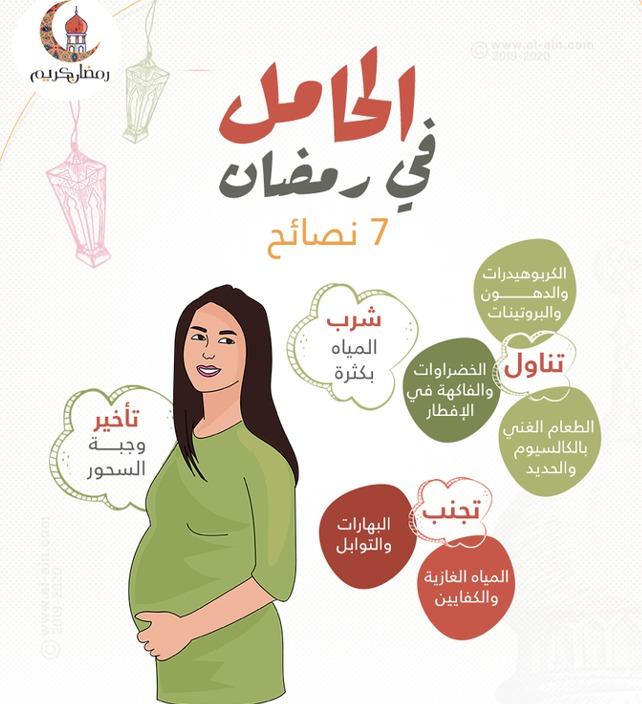
If You Decide to Fast — Safety Tips
1) Suhoor Is Essential
Eat late Suhoor with slow-digesting carbohydrates and protein: Oats, whole-grain bread, eggs, yogurt, cheese, and vegetables.
2) Hydration Between Iftar and Suhoor
Drink water gradually throughout the night.
Limit caffeine and diuretic beverages.
Increase fluid intake if the weather is hot or activity level is high.
3) Smart Iftar
Start with water and light food, then a balanced meal containing protein, vegetables, and moderate carbohydrates. Avoid excessive sugar intake at once.
4) Rest & Energy Conservation
Avoid prolonged standing and heat exposure.
Reduce physical workload if possible.
5) Close Medical Follow-Up
Women with even mild risk factors should have closer monitoring for blood pressure, blood sugar, and fetal movements.
Conclusion
Fasting during pregnancy may be safe in stable pregnancies under medical supervision. However, it can be risky in cases of diabetes, severe anemia, vomiting, bleeding, fetal growth problems, or dehydration.
The correct decision is individualized and based on your specific medical condition — not based on others’ experiences.
Book Your Appointment
Dr. Mona Mohamed Nassar
Consultant in Obstetrics & Gynecology
📍 5 El-Nafoura Square – Mokattam, Cairo
📞 01113143296 – 01006950327