Scientists Identify Rare Gene Causing a Unique Form of Diabetes in Newborns
Researchers have discovered a rare genetic mutation in the TMEM167A gene responsible for a unique form of diabetes that affects only newborns, disrupting insulin production in the pancreas.

In a remarkable scientific breakthrough, an international team of researchers has identified a rare gene mutation linked to a form of diabetes that appears exclusively in newborn infants. This condition emerges within the first few weeks of life, leading to severe insulin deficiency and life-threatening metabolic complications.
The study revealed that the defective gene, TMEM167A, disrupts the function of pancreatic beta cells — the cells responsible for producing insulin — ultimately causing their self-destruction. Interestingly, the gene also affects nerve cells, creating a complex condition that combines neurological and endocrine dysfunctions.
This discovery sheds light on a rare disorder known as MEDS syndrome (Microcephaly, Epilepsy, and Diabetes Syndrome), of which only 11 cases have been documented worldwide.
According to Dr. Miriam Knop of the Free University of Brussels, “The ability to generate insulin-producing cells from stem cells has allowed us to explore the exact mechanisms behind this dysfunction and test future gene-based treatments.”
Similarly, Dr. Elisa De Franco from the University of Exeter stated that “Identifying mutations in the TMEM167A gene has uncovered a previously unknown role in insulin secretion, offering new hope for precision therapies.”
When scientists removed the TMEM167A gene from stem cells and replaced it with the patient’s variant, the resulting beta cells failed to release insulin despite appearing structurally normal. This finding indicates a functional defect rather than a developmental one.
Experts believe this breakthrough not only clarifies the genetic roots of one of the rarest diabetes types, but also provides crucial insights into type 1 diabetes and may lead to targeted genetic therapies that restore insulin production.

Modern weight loss injections work by using hormones that regulate appetite and reduce feelings of hunger, which helps the body lose weight in a natural and safe way.
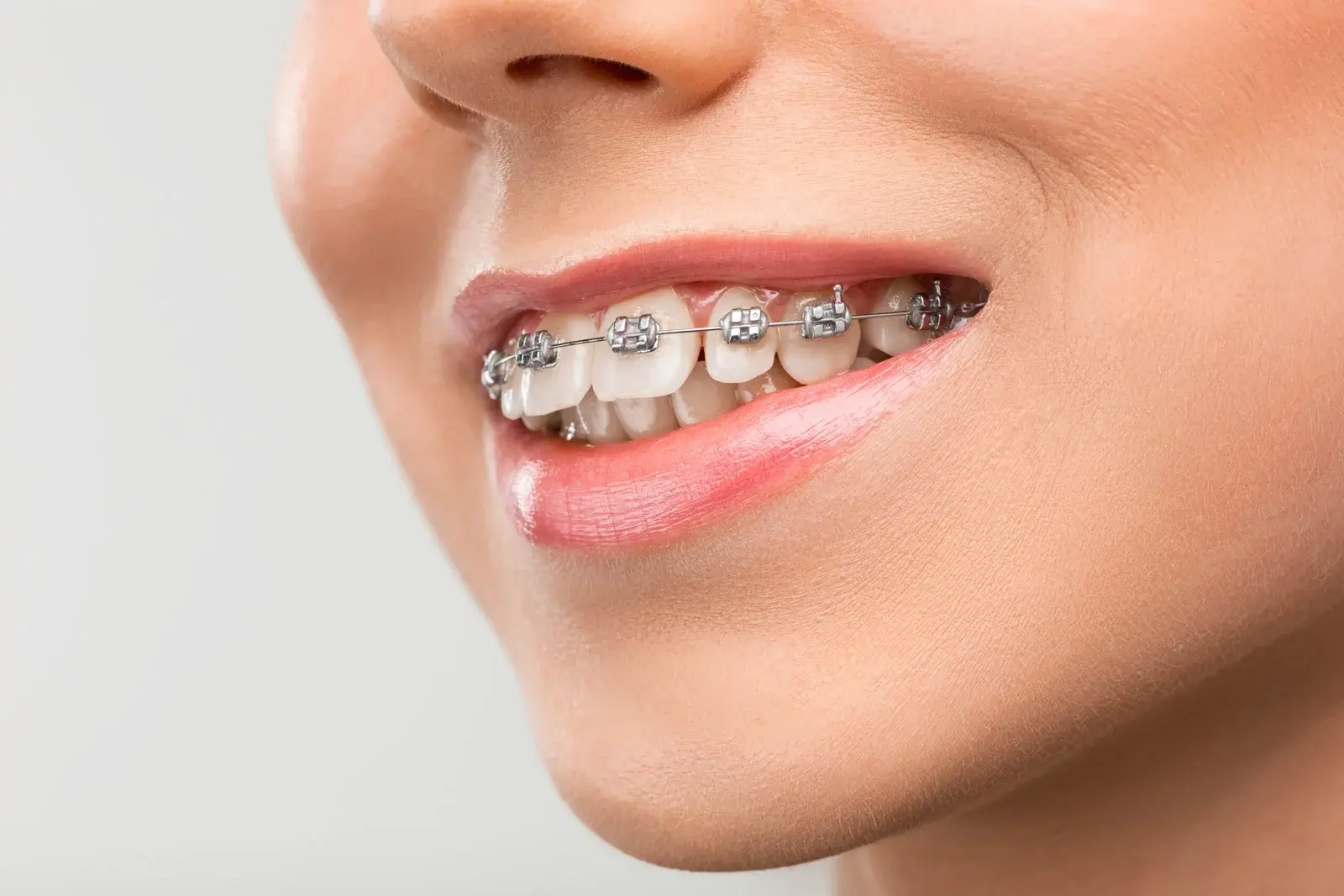
Can your orthodontic results disappear after all that effort? 🤔 Discover why retainers are essential and how to keep your perfect smile for years!
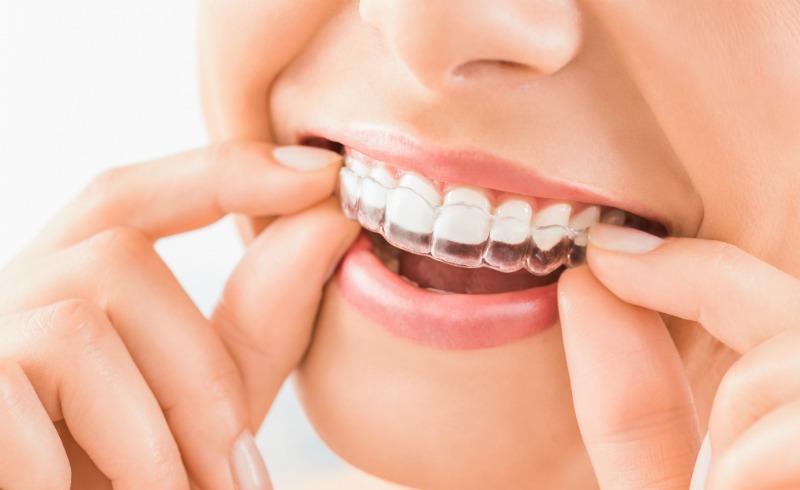
After completing orthodontic treatment, many patients think the journey is over. However, medically speaking, the most important phase begins now: the retainer phase, which is essential to maintain results and prevent teeth from shifting back to their original position.
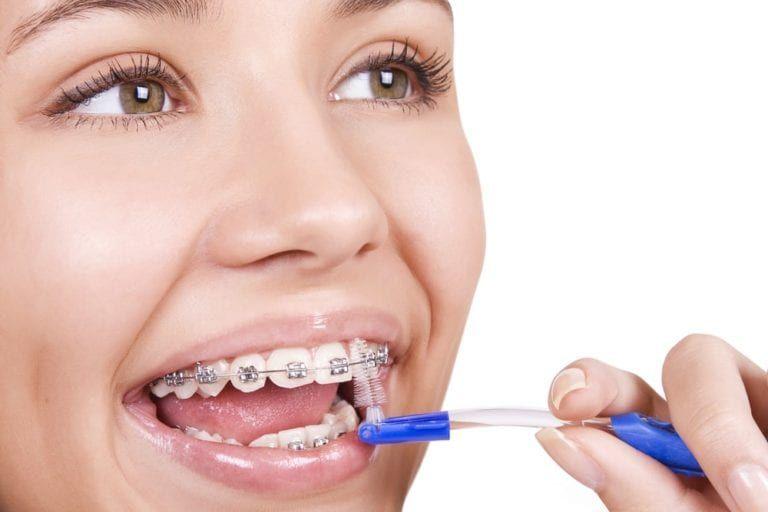
Orthodontic treatment is an important step to improve the appearance and function of teeth and jaws. However, it requires strict adherence to post-placement instructions to ensure treatment success and achieve the best possible results in the shortest time.
