Study Warns: Extremely Hot Drinks May Increase Risk of Esophageal Cancer
Regularly drinking extremely hot beverages can harm the esophagus and raise cancer risk, according to a new study, with practical tips to reduce the danger.

During winter, many people turn to hot tea or coffee for warmth. However, health experts warn that consuming very hot drinks regularly can damage the esophagus, which is delicate and not designed to withstand high temperatures daily.
Recent studies, including research conducted in the UK, reveal that people who frequently drink extremely hot beverages face a higher risk of esophageal cancer. The issue is not a single cup but the daily habit of consuming eight or more very hot drinks, or even fewer if the temperature remains very high.
How it causes harm:
The esophagus is directly exposed to high temperatures, leading to repeated inflammation of its lining. Over time, these chronic injuries may cause abnormal cell behavior, explaining the higher cancer rates in areas where tea or coffee is consumed immediately after preparation.
Drinking extremely hot beverages too quickly can worsen the damage because the liquid lingers longer in the esophagus before reaching the stomach, increasing thermal stress on the tissues.
Tips to Reduce Risk:
-
Let beverages cool slightly before drinking.
-
Stir the drink to distribute heat evenly.
-
Add a little milk or cold water to lower the temperature without affecting the flavor.
-
Experts recommend a safe drinking temperature of about 58°C (136°F) for comfort and safety.
For more details and the latest health and entertainment news, follow Misr Connect.

Regular health screening is one of the most important steps to maintain good health and detect diseases early. The essential medical checkups for every age help in preventing complications and ensuring a healthier life.
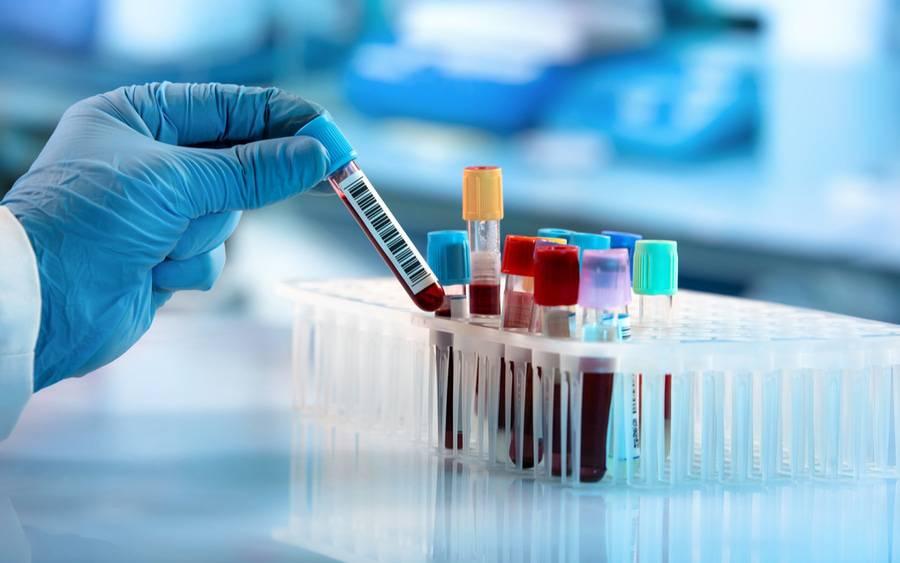
Many people, after doing medical tests, receive their results and immediately start looking at numbers and unfamiliar terms like (High – Low – Normal) without fully understanding what they actually mean.

When dealing with medical services, many people come across different titles for doctors such as “Specialist” and “Consultant”, which can sometimes create confusion about what each title actually means and how they differ from each other.

Choosing the right time to visit a doctor is not a random decision. It can directly affect how quickly a condition is diagnosed and how effective the treatment will be. Many people delay visiting a doctor or go at the wrong time, which may lead to worsening symptoms or delayed care.
