Irregular Heartbeats: When Are They Normal and When Do They Become Dangerous?
Irregular heartbeats, also known as cardiac arrhythmias, are one of the most common symptoms that cause anxiety in many people. Although they can feel alarming—especially when they occur suddenly—not all irregular heart rhythms indicate a serious medical condition. In many cases, they are temporary and harmless, while in others they may signal an underlying heart problem that requires medical attention.
In this article, we explain the difference between normal and dangerous irregular heartbeats, their causes, symptoms, and when to seek medical help.
What Are Irregular Heartbeats?
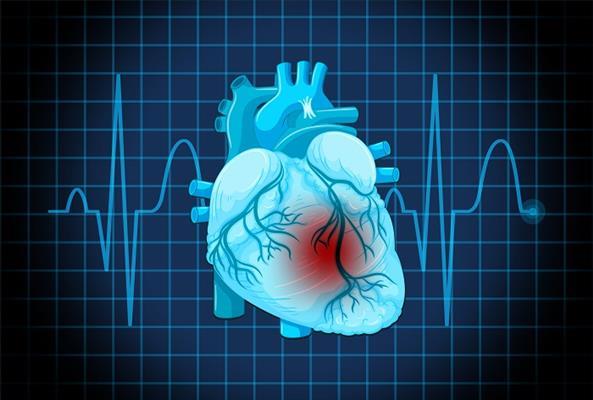
Irregular heartbeats occur when the heart's electrical system does not function in a normal rhythm. This can result in a heartbeat that is too fast, too slow, or uneven in timing.
A healthy adult heart typically beats between 60 and 100 times per minute at rest. Any disruption in this rhythm may cause palpitations, fluttering sensations, or skipped beats in the chest.
When Are Irregular Heartbeats Normal?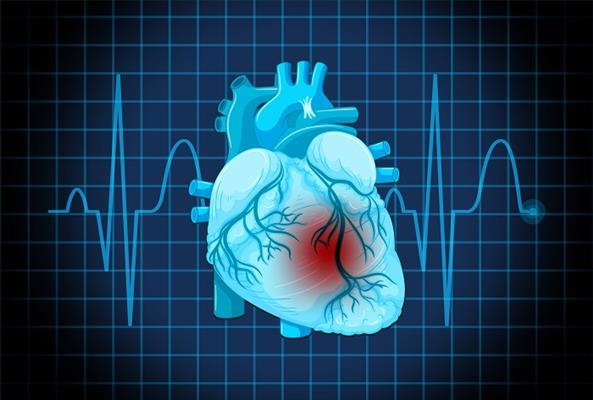
In many situations, irregular heartbeats are not dangerous and are triggered by temporary external factors such as:
- Stress and anxiety: Emotional stress increases adrenaline levels, which temporarily affects heart rhythm.
- Physical activity: Exercise naturally increases heart rate to supply oxygen to the body.
- Caffeine and stimulants: Excess coffee or energy drinks may cause temporary palpitations.
- Fatigue and lack of sleep: Poor sleep affects the nervous system controlling the heart.
- Medications: Some cold and asthma medications may temporarily increase heart rate.
In these cases, symptoms usually disappear once the trigger is removed.
When Do Irregular Heartbeats Become Dangerous?
Although many cases are harmless, certain warning signs may indicate a serious heart condition:
- Frequent episodes without clear cause
- Dizziness or fainting due to reduced blood flow to the brain
- Chest pain or pressure
- Shortness of breath, even at rest
- Very fast or very slow heartbeat
Possible Medical Causes
- Cardiac arrhythmias
- Coronary artery disease
- High blood pressure
- Thyroid disorders
- Electrolyte imbalance (low potassium or magnesium)
- Heart muscle diseases (cardiomyopathy)
How Is It Diagnosed?
Doctors use several tests to identify the cause:
- Electrocardiogram (ECG)
- Holter monitor (24–48 hours heart monitoring)
- Blood tests
- Echocardiogram (heart ultrasound)
Prevention and Heart Health Tips
- Reduce caffeine intake
- Maintain regular sleep patterns
- Exercise moderately
- Manage stress effectively
- Stay hydrated
- Eat a heart-healthy diet rich in minerals
Conclusion
Irregular heartbeats are not always dangerous. In many cases, they are caused by lifestyle factors such as stress or caffeine. However, if they occur frequently or are accompanied by chest pain, dizziness, or shortness of breath, medical evaluation is essential.
Understanding the difference between harmless and serious cases is key to protecting heart health and preventing complications.
Image