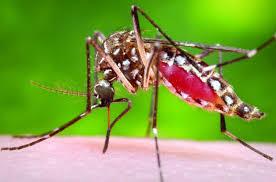

Europe faces a growing health threat as a recent study shows that chikungunya virus, a tropical disease transmitted by mosquitoes, is now capable of spreading widely across the continent due to climate change and rising temperatures.
Seasonal Activity:
-
Spain, Greece, Southern Europe: over 6 months annually
-
France, Germany, Belgium: 3–5 months
-
Southeast England: approximately 2 months
The study revealed that the minimum temperature for viral activity within Asian tiger mosquitoes is 13°C, 2.5°C lower than previous estimates, greatly expanding the potential range of disease transmission.
Symptoms and Impact:
Chikungunya causes severe and prolonged joint pain, which can be life-threatening for children and the elderly. Up to 40% of patients experience chronic joint pain or arthritis even five years after infection.
Rapid Spread in Europe:
Once rare, cases surged in 2025:
-
France: over 800 cases vs. 30 cases in the past decade
-
Italy: widespread outbreaks
-
UK: 73 imported cases in the first half of 2025, triple the previous year
Loss of Natural Barriers:
Invasive Asian tiger mosquitoes are moving northward as European winters become milder. Previously cold winters that killed mosquitoes and halted outbreaks are no longer effective, raising the risk of extended seasonal outbreaks.
For more details and the latest news, follow Misr Connect