
Iron is essential for hemoglobin production, oxygen transport, and supplying muscles with oxygen via myoglobin. Low iron levels can cause fatigue, poor concentration, and reduced physical performance.
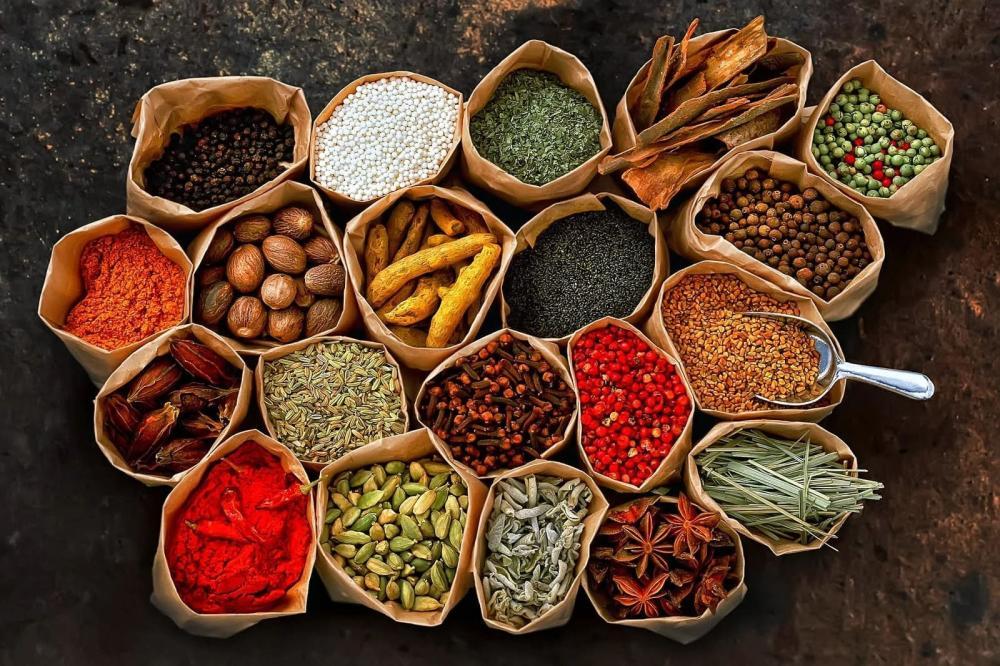
Some common spices are rich in iron and can be easily incorporated into daily meals:
-
Cumin: One teaspoon provides a significant portion of daily iron; add to legumes, rice, roasted vegetables, or meats.
-
Turmeric: Contains iron and antioxidants; absorption improves when paired with vitamin C-rich foods.
-
Ginger: Offers additional iron; can be grated over vegetables, added to tea, or used in marinades.
-
Fenugreek: Seeds are rich in iron and support blood sugar balance; used in lentil dishes or brewed as a tea.
-
Cinnamon: Contains iron and helps regulate blood sugar and cholesterol; sprinkle on fruits, oatmeal, or savory dishes.
-
Anise: Seeds provide good iron content; used in tea, baking, or spice blends.
Who is most at risk of iron deficiency?
Women of reproductive age, pregnant women, children, vegetarians, and individuals with frequent blood loss or donations.
Tips to enhance absorption:
-
Combine spices with legumes, grains, meats, poultry, and leafy greens.
-
Pair plant-based iron sources with vitamin C for optimal absorption.
Small daily additions in the kitchen can effectively support energy and immunity without major dietary changes.
For more details and the latest updates, follow Misr Connect.