Type 2 Diabetes Begins in the Gut: How to Protect Yourself from the Silent Threat
Recent studies reveal that the gut microbiome plays a crucial role in the development of type 2 diabetes. The bacteria and viruses living in the intestines affect blood sugar regulation and insulin sensitivity, making gut health a key factor in diabetes prevention.

The human gut is home to trillions of microorganisms—bacteria, viruses, and fungi—collectively known as the gut microbiome. This ecosystem directly influences digestion, immunity, and blood sugar regulation. Research suggests that an imbalance in gut microbes may be one of the earliest triggers of type 2 diabetes.
The Gut–Diabetes Connection
Gut microbes determine how the body processes fats and sugars. Studies have found that certain bacteria, such as Prevotella copri, produce branched-chain amino acids linked to obesity and insulin resistance.
Additionally, viruses known as bacteriophages can alter microbial activity, disrupting blood sugar control.
Scientists note that changes in the gut microbiome often occur before diabetes diagnosis, making it a potential early indicator for identifying at-risk individuals.
Foods that Support a Healthy Gut
To maintain a balanced gut microbiome and reduce diabetes risk, include:
High-fiber foods: whole grains, legumes, fruits, and vegetables.
Fermented foods: yogurt, sauerkraut, kefir.
Polyphenol-rich foods: berries, nuts, olive oil.
Omega-3 fatty acids: found in salmon, mackerel, and sardines.
Avoid or limit:
Highly processed foods rich in sugar.
Diets high in saturated fat.
Low-fiber diets that reduce beneficial gut bacteria.
Lifestyle Tips for Gut Health
Exercise regularly to promote microbial diversity.
Avoid unnecessary antibiotics that disrupt gut flora.
Follow a balanced diet rich in plant-based nutrients.
Ultimately, a healthy gut is the first line of defense against type 2 diabetes, supporting both metabolic balance and long-term well-being
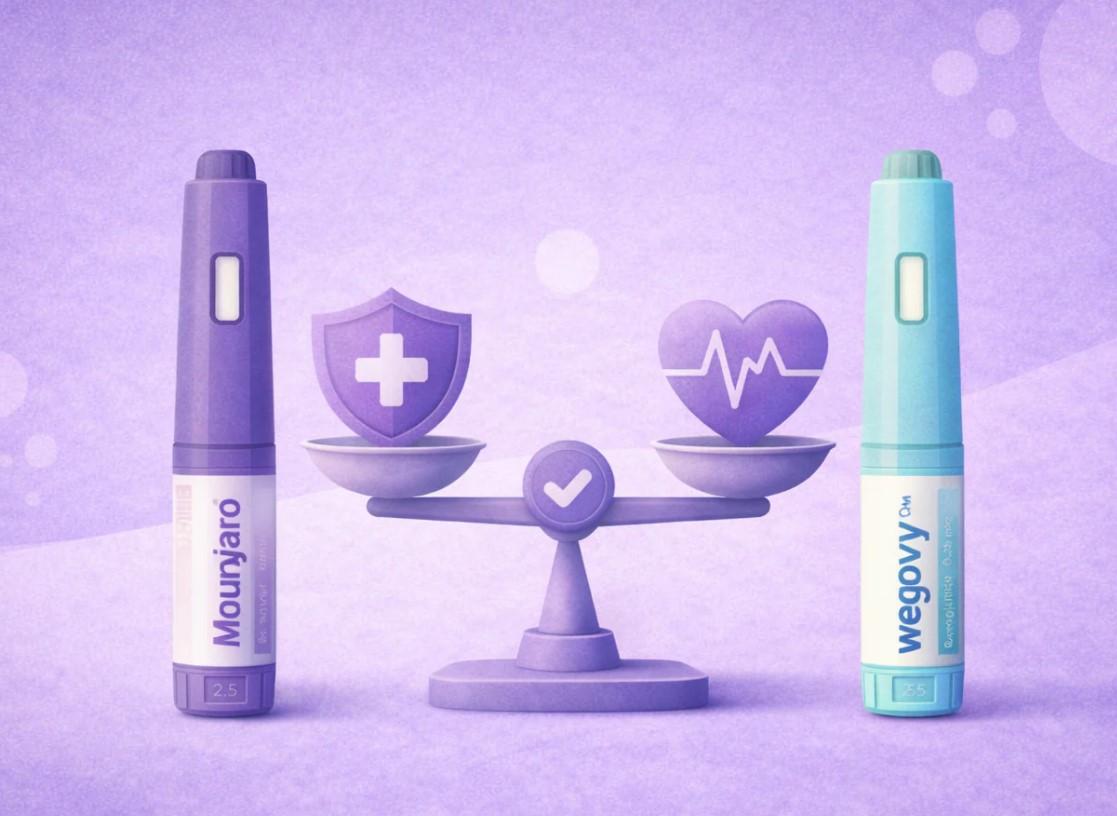
Modern weight loss injections work by using hormones that regulate appetite and reduce feelings of hunger, which helps the body lose weight in a natural and safe way.
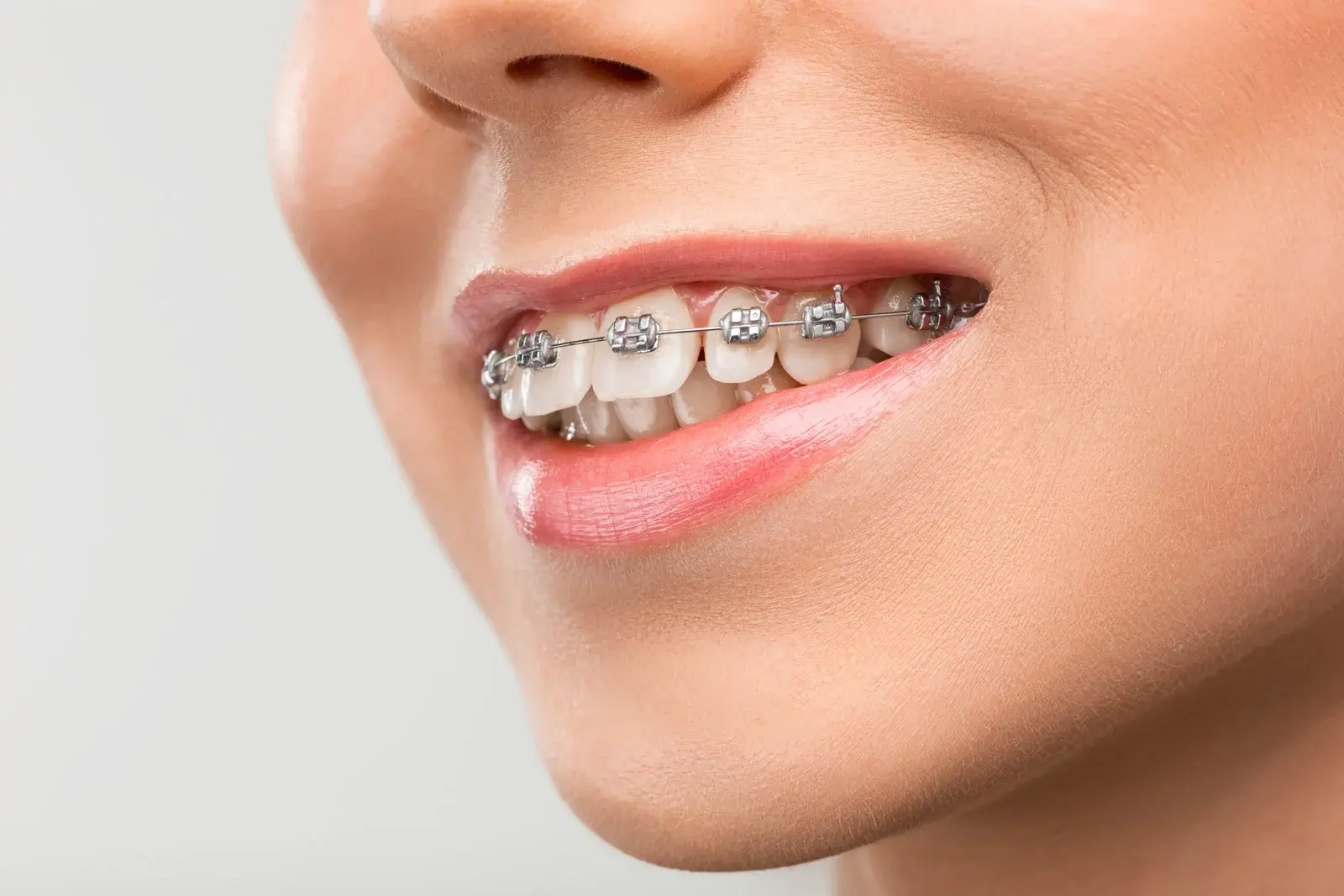
Can your orthodontic results disappear after all that effort? 🤔 Discover why retainers are essential and how to keep your perfect smile for years!
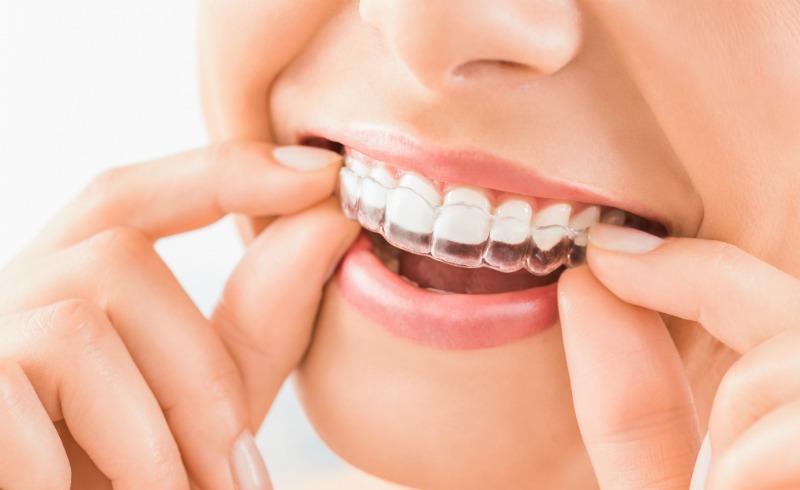
After completing orthodontic treatment, many patients think the journey is over. However, medically speaking, the most important phase begins now: the retainer phase, which is essential to maintain results and prevent teeth from shifting back to their original position.
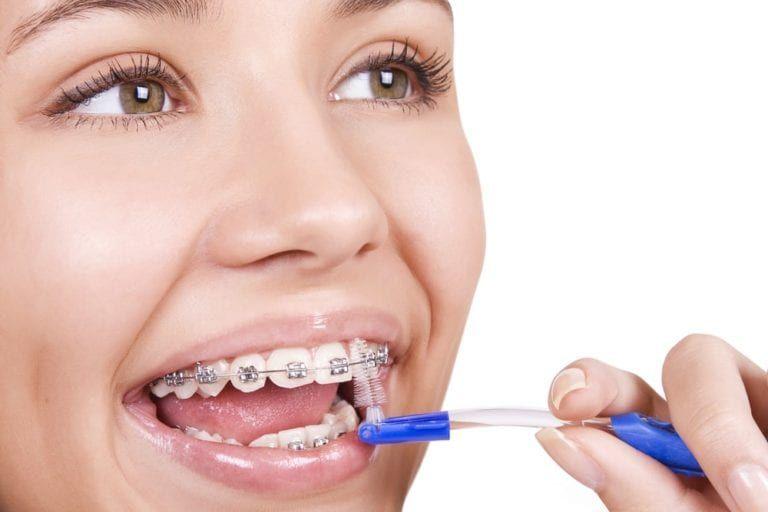
Orthodontic treatment is an important step to improve the appearance and function of teeth and jaws. However, it requires strict adherence to post-placement instructions to ensure treatment success and achieve the best possible results in the shortest time.
