Understanding Cancer: Definition, Stages, and Symptoms
Cancer occurs when normal cells turn into malignant cells that grow and divide uncontrollably. Early detection and understanding the stages and symptoms are crucial for prevention and treatment.
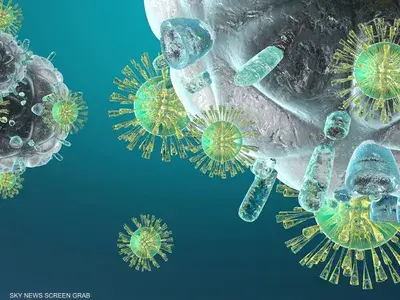
Cancer develops when normal cells become malignant, growing and multiplying uncontrollably, ignoring the genetic instructions that regulate cell growth. It is one of the leading causes of death worldwide, yet early detection and innovative treatments can significantly improve survival and outcomes.
Most cancers are classified into four stages, determined by tumor size, location, and spread. Stages one to three generally describe cancer that grows in surrounding tissues or spreads to nearby lymph nodes, while stage four, or metastatic cancer, indicates that cancer cells have spread to distant parts of the body through the bloodstream or lymphatic system.
Symptoms vary depending on the type and progression of cancer. General symptoms may include persistent fatigue, night sweats, loss of appetite, ongoing pain, skin changes, unexplained weight loss, and new lumps or bumps. Organ-specific symptoms can also occur, such as blood in urine or stool, coughing up blood, or changes in skin moles. However, having these symptoms does not necessarily indicate cancer.
Cancer is caused by genetic mutations affecting cell function, leading to abnormal cells that divide uncontrollably and form tumors. Cancer cells may also spread to other body parts. For example, breast cancer may metastasize to the lungs, affecting breathing, or blood cancers may produce abnormal blood cells that outcompete healthy ones.
Inherited genetic mutations account for about 5% to 10% of all cancers, while most cancers are caused by acquired mutations over a lifetime due to environmental factors or natural genetic errors.
Understanding cancer, recognizing its symptoms, and adhering to regular screenings are key steps in prevention, early detection, and improving treatment success rates.
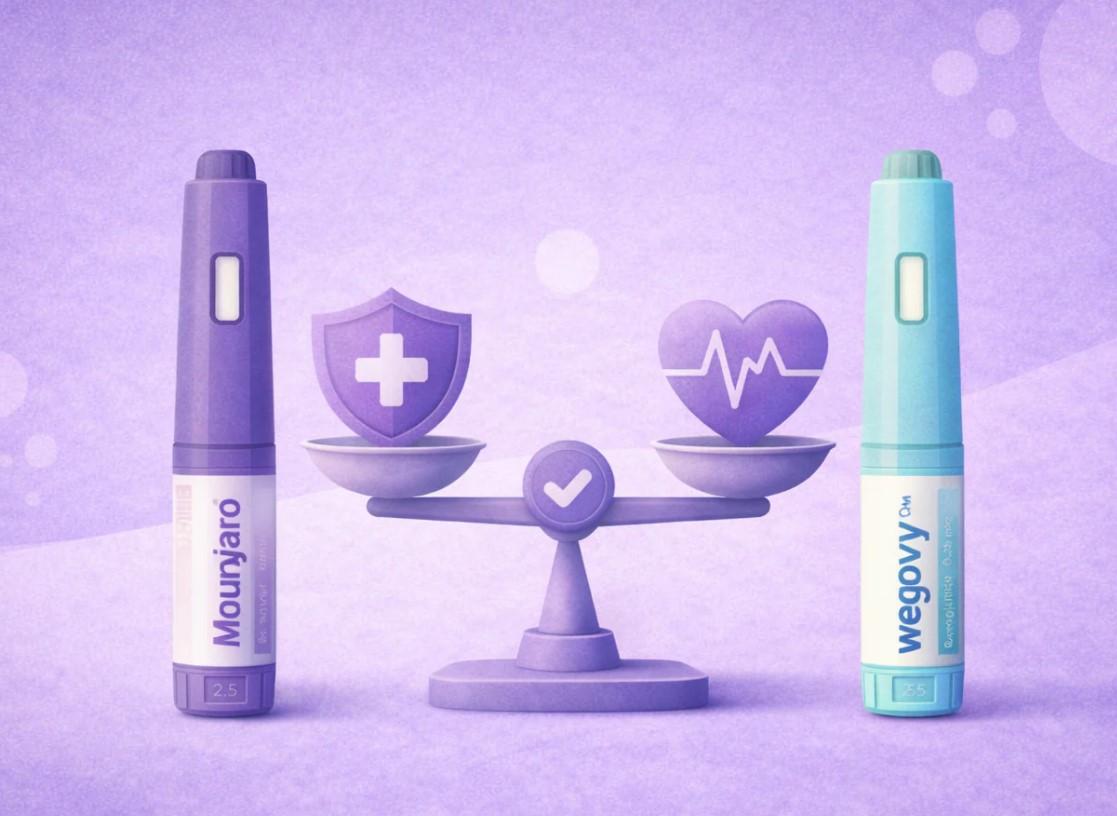
Modern weight loss injections work by using hormones that regulate appetite and reduce feelings of hunger, which helps the body lose weight in a natural and safe way.
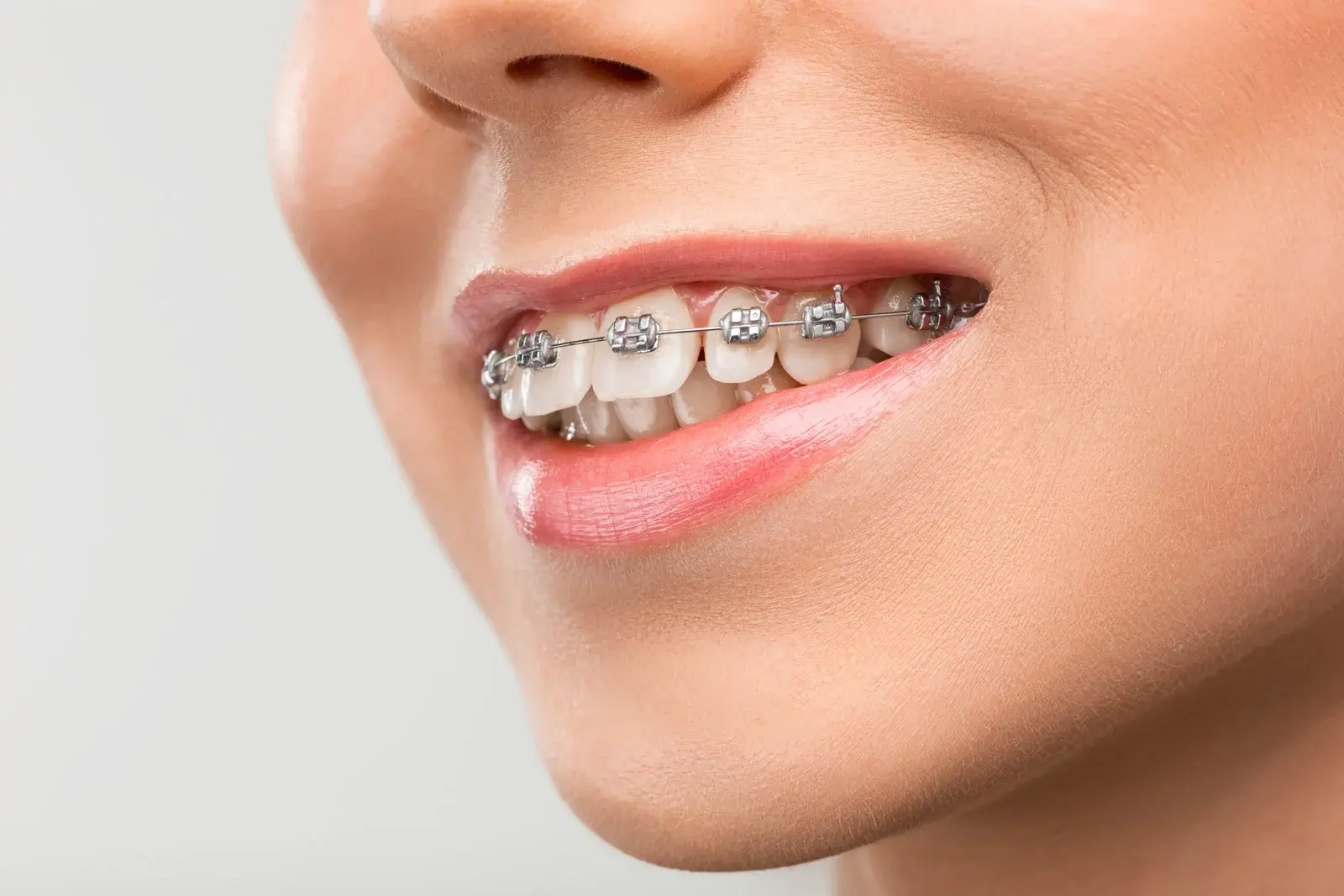
Can your orthodontic results disappear after all that effort? 🤔 Discover why retainers are essential and how to keep your perfect smile for years!
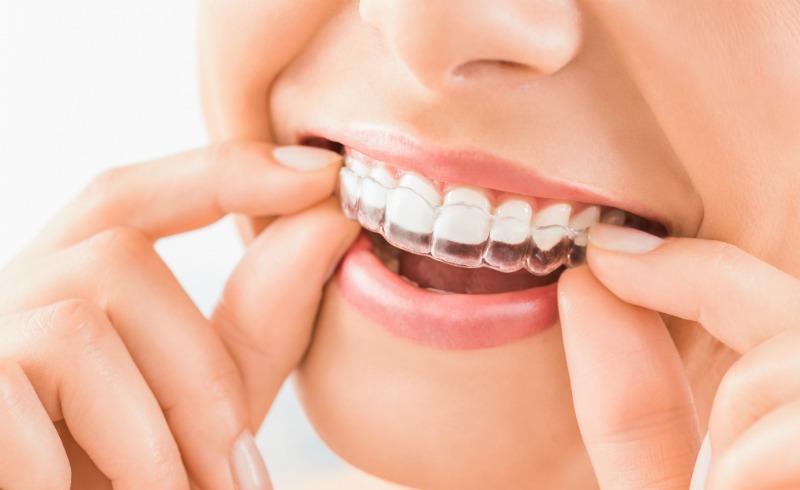
After completing orthodontic treatment, many patients think the journey is over. However, medically speaking, the most important phase begins now: the retainer phase, which is essential to maintain results and prevent teeth from shifting back to their original position.
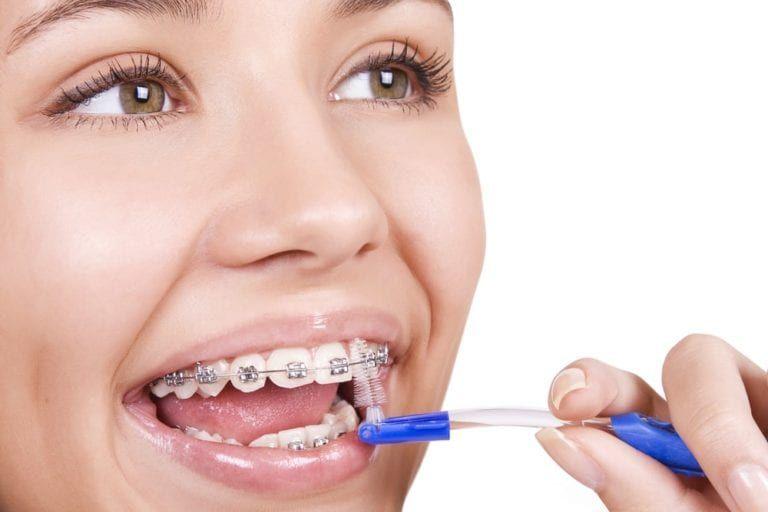
Orthodontic treatment is an important step to improve the appearance and function of teeth and jaws. However, it requires strict adherence to post-placement instructions to ensure treatment success and achieve the best possible results in the shortest time.
