Vitamin B3: A Natural Shield Against Skin Cancer
Recent research shows that Vitamin B3 (nicotinamide) may significantly reduce the risk of non-melanoma skin cancer by supporting DNA repair and boosting immune defense against UV damage.
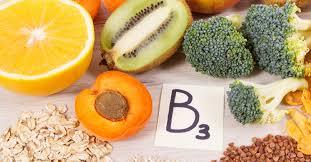
Vitamin B3, also known as nicotinamide, is an essential nutrient that plays a vital role in maintaining skin health and supporting the immune system. A large-scale study involving over 33,000 participants revealed that regular intake of this vitamin can substantially reduce the risk of non-melanoma skin cancers.
The research found that individuals who took 500 mg of nicotinamide twice daily after their first skin cancer diagnosis experienced a 54% reduction in recurrent cases. Overall, participants who consistently used the supplement had a 14% lower risk of developing new skin cancers.
Vitamin B3 helps enhance DNA repair in skin cells damaged by ultraviolet (UV) radiation, reduces inflammation, and strengthens the immune response to eliminate abnormal cells before they become cancerous.
Experts emphasize that early supplementation is key to achieving optimal benefits, as its protective effects appear to decline when used only after repeated cancer diagnoses.
While nicotinamide offers protective properties, it should not replace sunscreen, protective clothing, or regular skin check-ups.
Natural sources of Vitamin B3 include:
Red meat and poultry
Fish such as salmon and tuna
Nuts and seeds
Avocado, mushrooms, and whole grains
Beyond its cancer-fighting benefits, nicotinamide also helps improve skin hydration, reduce pigmentation, and even skin tone, making it a popular ingredient in modern skincare products
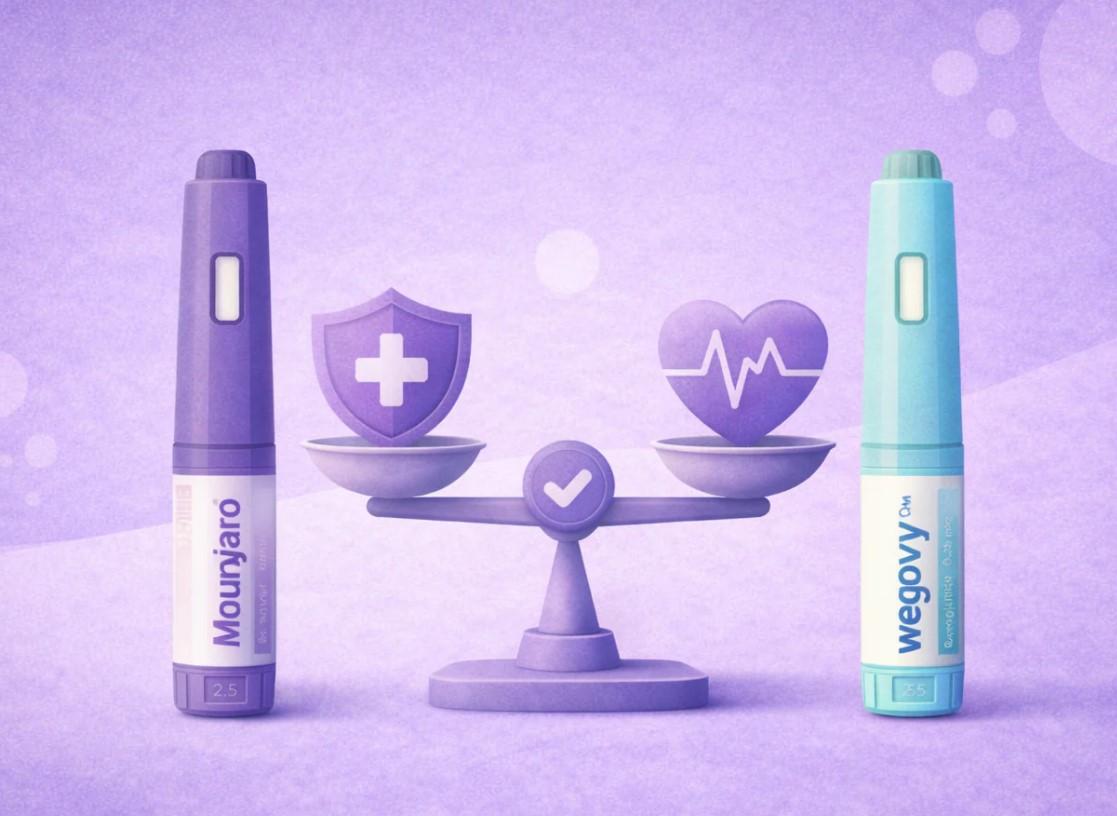
Modern weight loss injections work by using hormones that regulate appetite and reduce feelings of hunger, which helps the body lose weight in a natural and safe way.
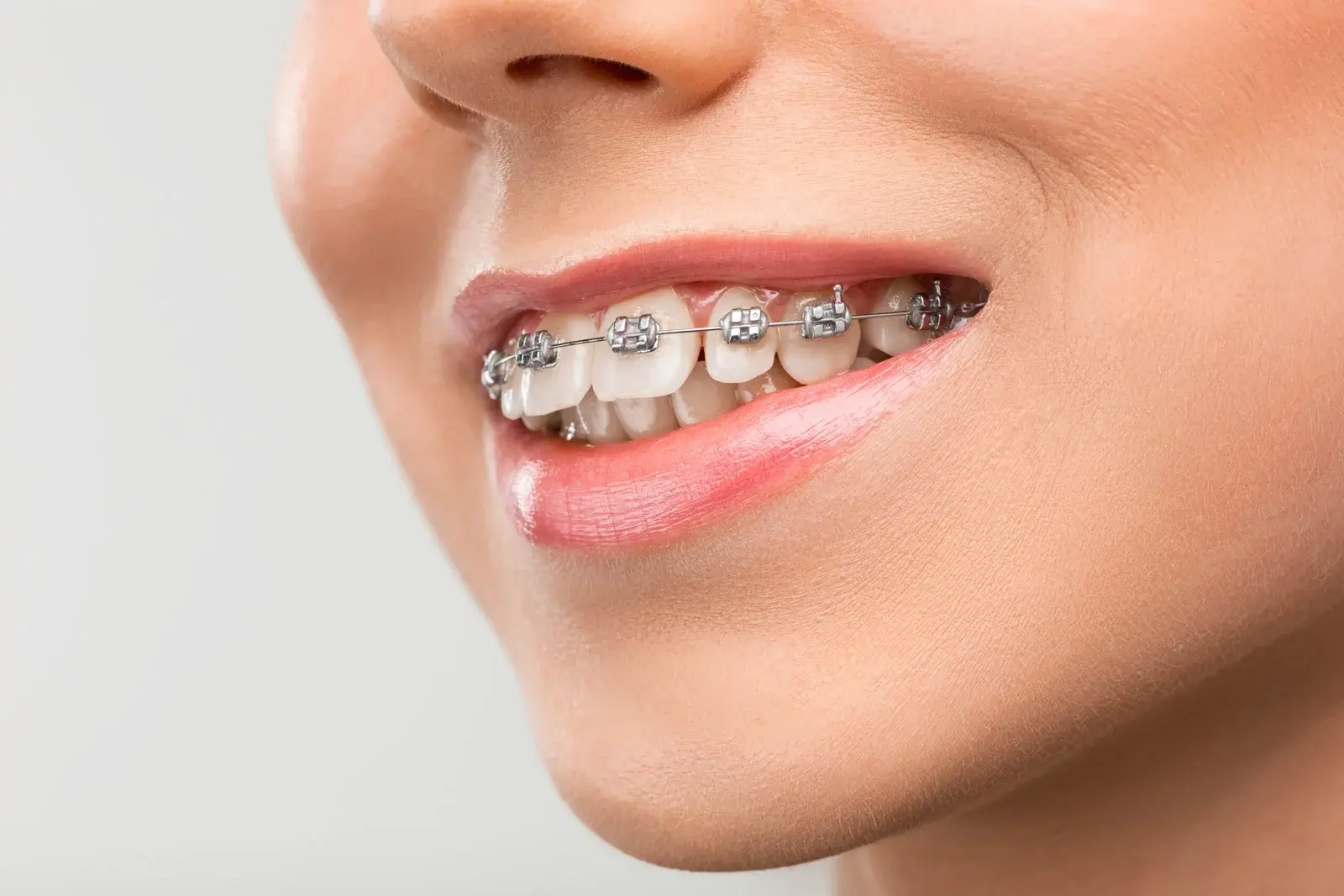
Can your orthodontic results disappear after all that effort? 🤔 Discover why retainers are essential and how to keep your perfect smile for years!
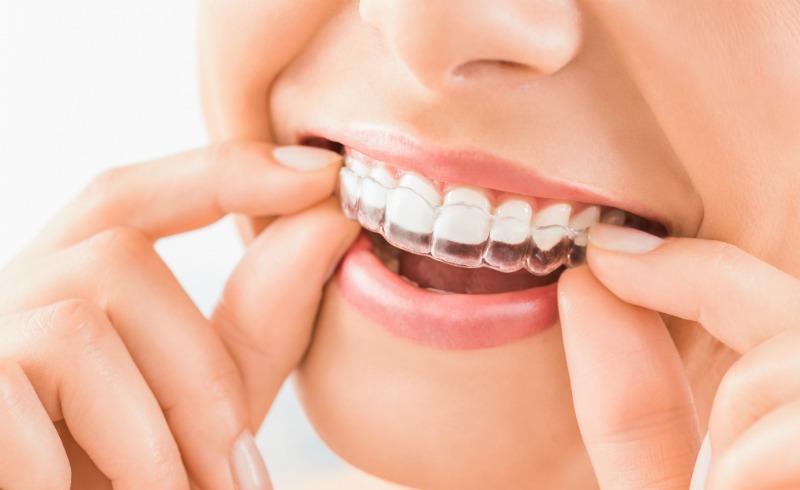
After completing orthodontic treatment, many patients think the journey is over. However, medically speaking, the most important phase begins now: the retainer phase, which is essential to maintain results and prevent teeth from shifting back to their original position.
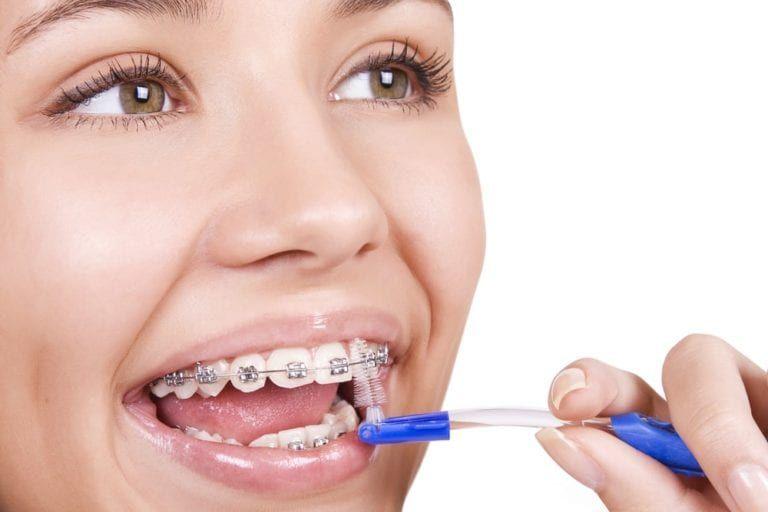
Orthodontic treatment is an important step to improve the appearance and function of teeth and jaws. However, it requires strict adherence to post-placement instructions to ensure treatment success and achieve the best possible results in the shortest time.
