
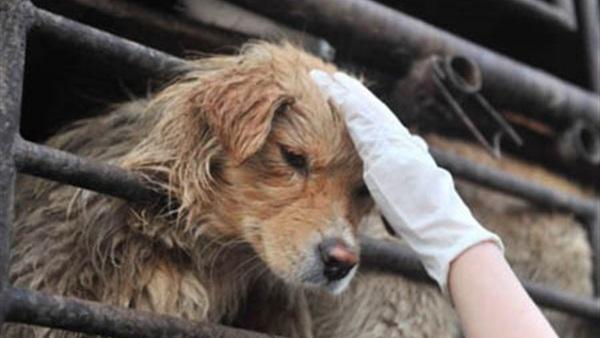

The Egyptian Dar al-Iftaa emphasized Islam’s care for animals and forbade any mistreatment or harm. It highlighted three actions with dogs, cats, or any animal that could lead to hellfire: abuse, depriving them of food and water until death, and physical harm.
Al-Iftaa explained that Prophet Muhammad (peace be upon him) warned against harming animals, citing the hadith of the woman who imprisoned a cat until it died: “A woman was punished in Hell for a cat she imprisoned until it died; she neither fed it nor gave it water, nor allowed it to eat from the earth” (Agreed upon).
The guidance highlights that compassion toward animals reflects God’s mercy. Muslims are obliged to uphold animal rights, including providing food, water, healthcare, proper shelter, and preserving healthy offspring. The Prophet prohibited striking animals, branding them with fire, or mutilating them.
Islam regulates human-animal relations within principles of mercy and kindness, making compassion a hallmark of faith and a virtue that strengthens one’s deeds. Islam also encourages creating natural reserves to protect animals, ensure their safety, and prevent extinction or decline in breeding quality.
Dar al-Iftaa referred to Quranic guidance: ﴿And there is no creature on earth or bird that flies with its wings except [that they are] communities like you﴾, and prophetic traditions emphasizing that harming animals without necessity is a sin subject to divine punishment.




