
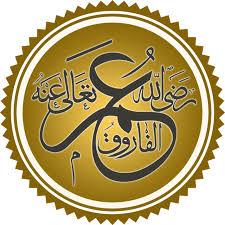

Omar ibn Al-Khattab, may Allah be pleased with him, is one of the greatest figures in Islamic history. His acceptance of Islam marked a major turning point for Muslims, bringing strength, confidence, and protection to the early Muslim community. He was the second Rightly Guided Caliph, one of the ten companions promised Paradise, and a symbol of justice, wisdom, and strong leadership.
The Lineage and Status of Omar ibn Al-Khattab
His Background
Omar ibn Al-Khattab ibn Nufayl belonged to the Quraysh tribe of Makkah. His lineage meets the lineage of Prophet Muhammad, peace and blessings be upon him, at Ka'b ibn Lu'ay. He was known as Abu Hafs and later became famous as Al-Farooq, meaning "the one who distinguishes between truth and falsehood."
The Conversion of Omar ibn Al-Khattab to Islam
A Great Turning Point
Before accepting Islam, Omar was among those who strongly opposed the message of Islam. However, Allah guided his heart, and his conversion became one of the greatest events in Islamic history.
The Prophet peace and blessings be upon him supplicated:
"O Allah, strengthen Islam with the one who is more beloved to You between these two men: Abu Jahl or Omar ibn Al-Khattab."
Allah answered the Prophet’s supplication, and Omar became one of the strongest supporters of Islam.
The Impact of Omar’s Acceptance of Islam
Omar’s acceptance of Islam gave Muslims greater confidence. They began practicing their faith openly and became stronger in facing opposition.
Abdullah ibn Mas'ud, may Allah be pleased with him, said:
"Omar’s Islam was a victory, his migration was a triumph, and his leadership was a mercy."
Omar ibn Al-Khattab’s Legacy
During his caliphate, Omar established principles of justice and expanded the Islamic state across many regions, including Iraq, Egypt, Syria, Persia, and other territories.
He also introduced the Hijri calendar and became known throughout history as a leader of fairness, responsibility, and strong governance.
Why was Omar called Al-Farooq?
Because Allah distinguished truth from falsehood through his acceptance of Islam and his support for justice.
When did Omar ibn Al-Khattab accept Islam?
He accepted Islam during the sixth year of the Prophet’s mission.
What was the impact of Omar’s conversion?
It strengthened the Muslims and allowed them to practice Islam more openly.
What were Omar’s greatest achievements?
He established the Hijri calendar, expanded the Islamic state, and promoted justice and good governance.




