
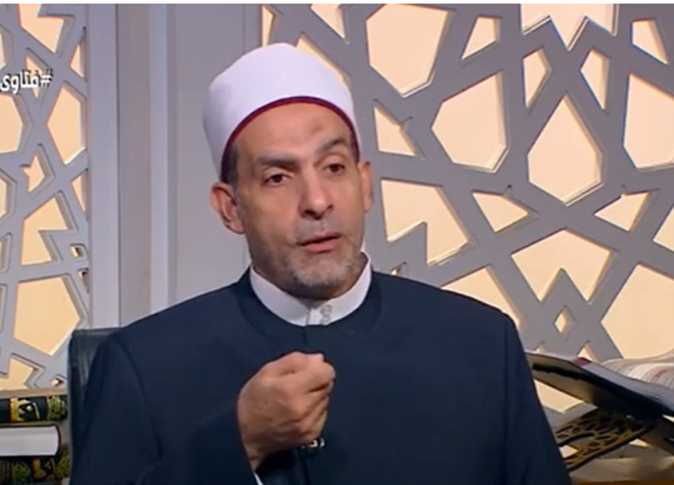

Dr. Ali Fakhr, Secretary of Fatwa at Egypt’s Dar Al-Ifta, clarified that depriving any legal heir of inheritance is strictly prohibited in Islamic law, even if the child commits severe ingratitude, disobedience, or false testimony.
He explained that inheritance rulings are based on definitive Quranic texts and cannot be altered by personal anger or emotional retaliation. Wealth, in essence, belongs to God, and humans are merely trustees during their lifetime, while inheritance follows a divine allocation that must not be changed.
Dr. Fakhr emphasized that sins such as disobedience or perjury are borne solely by the one who commits them, and it is impermissible to add another sin by denying a right decreed by God. No soul bears the burden of another.
He warned that depriving children of inheritance may increase resentment and stubbornness, potentially making the parent complicit in wrongdoing, whereas adherence to divine allocation may encourage repentance and moral reform.
He concluded by stressing that the Quran makes no distinction between a righteous child and a disobedient one in matters of inheritance, citing the verse:
“Allah instructs you concerning your children…”
and called for reform through advice, supplication, wisdom, and trust in God’s justice.




