
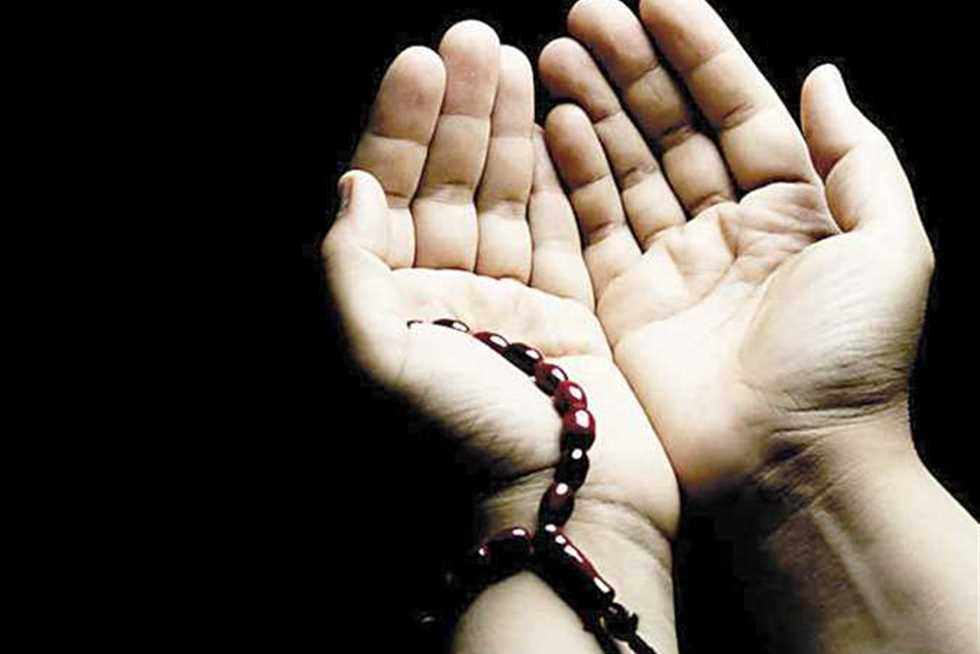

In times of trials and heartbreak, Islam teaches that healing begins with surrender and prayer. Dr. Ali Gomaa, former Grand Mufti of Egypt and member of Al-Azhar’s Council of Senior Scholars, explained that anyone facing calamity should say the prayer taught by the Prophet ﷺ:
“Indeed, we belong to Allah and to Him we shall return. O Allah, reward me in my calamity and grant me better than it.”
This short prayer, he said, carries profound meaning. It acknowledges God’s wisdom, accepts His decree, and opens the path for divine compensation that often surpasses human imagination — as seen in the story of Umm Salamah (may Allah be pleased with her), who recited it after losing her husband and was later blessed to marry the Prophet ﷺ himself.
Gomaa added that the Prophet ﷺ also encouraged believers to recite other prayers during hardship, such as:
“O Allah, I seek refuge in You from severe trials, from misfortune, from evil fate, and from the joy of enemies.”
Moreover, frequent seeking of forgiveness (istighfar) is among the greatest means to lift affliction, as Allah said:
“And Allah would not punish them while they seek forgiveness.” [Al-Anfal: 33]
These thirteen words carry the essence of patience, trust, and surrender. When spoken sincerely, they turn pain into peace and transform loss into divine reward.




