
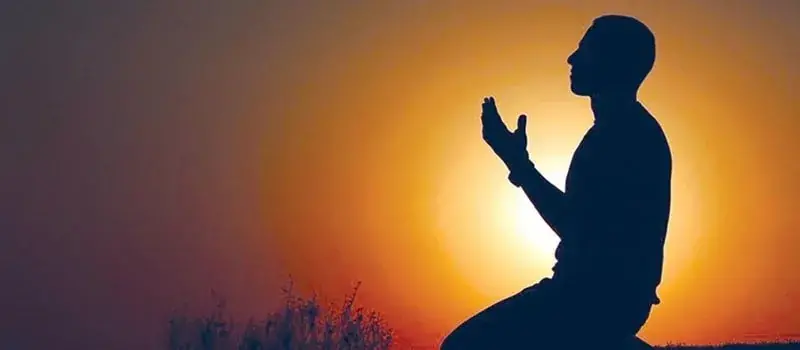

Many Muslims search for the greatest dhikr in reward because remembrance of Allah holds a great position in Islam. It is one of the noblest acts of worship, the easiest upon the tongue, and one of the greatest influences on a Muslim’s life. It brings tranquility to the heart, strengthens faith, and draws the servant closer to their Lord.
Allah Almighty said:
﴿Indeed, in the remembrance of Allah do hearts find rest﴾
Dhikr is not merely words that are repeated; rather, it is a great act of worship that gives life to hearts, opens the doors of mercy, and helps Muslims face the difficulties of life.
What Is the Greatest Dhikr in Reward?
The greatest dhikr in reward is that which has been authentically established in the Noble Qur’an and the Sunnah of the Prophet ﷺ, for which Allah and His Messenger have assigned great virtues. These include:
- Tasbih (glorifying Allah).
- Tahmeed (praising Allah).
- Tahleel (declaring the Oneness of Allah).
- Takbeer (saying “Allah Akbar”).
- Seeking forgiveness.
- Sending blessings upon the Prophet ﷺ.
- Reported supplications.
In its specific meaning, dhikr means remembering Allah Almighty through the words mentioned in the Qur’an and Sunnah, which include glorifying Allah, affirming His Oneness, and declaring Him free from all imperfections.
The Virtue of Remembering Allah in a Muslim’s Life
Remembering Allah is among the greatest acts of obedience and the best ways of drawing closer to Allah Almighty. It brings comfort to the heart, relief to the chest, and raises one’s ranks.
Allah Almighty said:
﴿Those who believe and whose hearts find rest in the remembrance of Allah. Indeed, in the remembrance of Allah do hearts find rest﴾
Among the virtues of dhikr are:
- Tranquility of the heart.
- Forgiveness of sins.
- Increase in good deeds.
- Raising of ranks.
- Protection from Satan.
- Attaining Allah’s love and pleasure.
The one who remembers Allah remains connected to Him through remembrance in all circumstances: morning and evening, while traveling or staying at home, during sleep and wakefulness.
Allah Almighty said:
﴿Those who remember Allah while standing, sitting, and lying on their sides﴾
Levels of Remembering Allah
Scholars have stated that remembrance of Allah has several levels, including:
1- Outward Dhikr
This is remembering Allah with the tongue through prescribed words, such as:
- Subhan Allah.
- Alhamdulillah.
- La ilaha illa Allah.
- Allahu Akbar.
It also includes supplication and praising Allah.
2- Hidden Dhikr
This is when the heart is present with Allah, feeling His constant observation, and remaining attached to Him at all times.
3- True Dhikr
This is when Allah mentions His servant among the highest assembly, and it is the highest and most honorable level of remembrance.
The Greatest Dhikr in Reward: 10 Remembrances Recommended by the Prophet ﷺ
1- Tasbih, Tahmeed, and Takbeer After Prayer
Among the best remembrances after prayer:
- Subhan Allah 33 times.
- Alhamdulillah 33 times.
- Allahu Akbar 33 times.
Then the hundred is completed by saying:
La ilaha illa Allah wahdahu la sharika lah, lahul mulku wa lahul hamdu wa huwa ‘ala kulli shay’in qadeer.
(There is no deity except Allah alone, without partner. To Him belongs the kingdom and all praise, and He is over all things competent.)
2- Saying: La ilaha illa Allah Wahdahu La Sharika Lah
The Prophet ﷺ said:
“Whoever says: ‘La ilaha illa Allah wahdahu la sharika lah, lahul mulku wa lahul hamdu wa huwa ‘ala kulli shay’in qadeer’ one hundred times in a day…”
Allah will record one hundred good deeds for him, erase one hundred sins from him, and it will be a protection for him from Satan.
3- Subhan Allah Wa Bihamdihi
The Messenger of Allah ﷺ said:
“Whoever says ‘Subhan Allah wa bihamdihi’ one hundred times, his sins will be removed even if they are like the foam of the sea.”
4- Subhan Allah Wa Bihamdihi, Subhan Allah Al-Azeem
The Prophet ﷺ said:
“Two words that are light on the tongue, heavy on the scale, and beloved to the Most Merciful.”
They are:
Subhan Allah wa bihamdihi, Subhan Allah Al-Azeem.
5- Subhan Allah, Alhamdulillah, La ilaha illa Allah, Allahu Akbar
The Messenger of Allah ﷺ said:
“For me to say: Subhan Allah, Alhamdulillah, La ilaha illa Allah, and Allahu Akbar is more beloved than everything upon which the sun rises.”
6- Sending Blessings Upon the Prophet ﷺ
The Messenger of Allah ﷺ said:
“Whoever sends one blessing upon me, Allah sends ten blessings upon him.”
7- Supplication for Goodness in This World and the Hereafter
One of the most frequent supplications of the Prophet ﷺ:
“O Allah, grant us good in this world and good in the Hereafter, and protect us from the punishment of the Fire.”
8- La Hawla Wa La Quwwata Illa Billah
The Prophet ﷺ said:
“ La hawla wa la quwwata illa billah is a treasure from the treasures of Paradise.”
It is one of the greatest forms of dhikr that helps a Muslim rely on Allah and seek His assistance.
9- Sayyid Al-Istighfar (The Master Supplication for Forgiveness)
The Prophet ﷺ said:
“O Allah, You are my Lord, there is no deity except You. You created me and I am Your servant, and I am upon Your covenant and promise as much as I am able…”
It is one of the greatest forms of seeking forgiveness. Whoever says it with certainty in the morning or evening and then dies will enter Paradise.
10- Subhan Allah Wa Bihamdihi According to the Number of His Creation
Among the greatest forms of dhikr:
“Subhan Allah wa bihamdihi, according to the number of His creation, the extent of His pleasure, the weight of His Throne, and the ink of His words.”
An Answered Supplication from the Qur’an for Immediate Healing
Among the verses and chapters recommended to be recited for seeking healing:
- Surah Al-Fatihah.
- Surah Al-Ikhlas.
- Surah Al-Falaq.
- Surah An-Nas.
- Ayat Al-Kursi.
- The last two verses of Surah Al-Baqarah.
Along with supplication and certainty that healing is only in the hands of Allah.
The Best Supplications for Relief and Removing Hardship
Among the comprehensive supplications:
O Allah, help me remember You, thank You, and worship You in the best manner.
O Allah, there is no ease except what You make easy, and You make hardship easy if You will.
There is no deity except You; glory be to You. Indeed, I have been among the wrongdoers.
O Allah, Remover of distress and worries, Reliever of great hardships, relieve my worries and make my affairs easy.
The Virtue of Seeking Forgiveness in Opening the Doors of Provision
Seeking forgiveness is among the greatest reasons for relieving worries and increasing provision. Allah Almighty said:
﴿Ask forgiveness of your Lord; indeed, He is Ever-Forgiving. He will send rain upon you in abundance and increase you with wealth and children﴾
The Prophet ﷺ said:
“Whoever constantly seeks forgiveness, Allah will make for him a way out from every worry, a relief from every hardship, and provide for him from where he does not expect.”
How to Maintain the Remembrance of Allah Daily?
To remain consistent with dhikr:
- Maintain the morning and evening adhkar.
- Set a daily portion of tasbih and seeking forgiveness.
- Increase sending blessings upon the Prophet ﷺ.
- Use free time to remember Allah.
- End your day with supplication and seeking forgiveness.
Conclusion
The greatest dhikr in reward is that which is sincerely done for Allah Almighty and follows what was reported from the Prophet ﷺ. Dhikr is the life of hearts, the comfort of souls, and a source of peace and tranquility. It is among the greatest acts through which a servant draws closer to their Lord in this world and the Hereafter.
What is the greatest dhikr that erases sins?
Among the greatest remembrances whose virtues have been mentioned is saying:
“Subhan Allah wa bihamdihi” one hundred times, as the Prophet ﷺ informed that it erases sins.
What dhikr is considered a treasure from the treasures of Paradise?
Saying:
“La hawla wa la quwwata illa billah.”
What is the best dhikr after prayer?
Tasbih, tahmeed, and takbeer 33 times, followed by saying:
“La ilaha illa Allah wahdahu la sharika lah.”
Is sending blessings upon the Prophet ﷺ considered dhikr?
Yes. It is among the best acts of worship, and it has been reported that whoever sends one blessing upon the Prophet ﷺ, Allah sends ten blessings upon him.
What is the best supplication for removing hardship?
Among the greatest supplications is:
“La ilaha illa anta subhanaka inni kuntu minaz-zalimeen”
along with frequent seeking forgiveness and remembrance of Allah.




