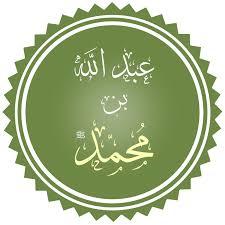
Who Was Abdullah ibn Muhammad?
Abdullah ibn Muhammad was one of the sons of Prophet Muhammad ﷺ and his first wife, Khadijah bint Khuwaylid رضي الله عنها.
He was born in Mecca and died at a very young age. Several classical biographies identify him by the names Al-Tayyib and Al-Tahir, although historical reports differ regarding whether these were additional names for Abdullah or names attributed to other sons.
The Lineage of Abdullah ibn Muhammad
Abdullah was the son of:
Muhammad ibn Abdullah ibn Abd al-Muttalib, the Messenger of Allah ﷺ, and Khadijah bint Khuwaylid رضي الله عنها.
He was one of the children of the Prophet ﷺ and Khadijah. Their children included Al-Qasim, Abdullah, Zaynab, Ruqayyah, Umm Kulthum, and Fatimah رضي الله عنهم.
The Prophet's son Ibrahim was from Maria al-Qibtiyya رضي الله عنها, rather than Khadijah.
Why Was Abdullah Called Al-Tayyib and Al-Tahir?
Some classical sources mention that Abdullah was known as Al-Tayyib and Al-Tahir, meaning “the good” and “the pure.”
However, reports from early historians differ on whether these were simply alternative names for Abdullah or whether Al-Tayyib and Al-Tahir referred to separate sons.
Therefore, it is safest to state that Abdullah is identified in several historical reports by the names Al-Tayyib and Al-Tahir, while acknowledging the disagreement among early sources.
The Birth of Abdullah
Abdullah was born in Mecca to Prophet Muhammad ﷺ and Khadijah رضي الله عنها.
A number of historical accounts place his birth after the beginning of the Prophet's mission, which is one reason why he was associated with the names Al-Tayyib and Al-Tahir in some sources.
His life, however, was very short, as he died during childhood.
The Death of Abdullah ibn Muhammad
Abdullah died at a young age in Mecca.
His death was one of the painful losses experienced by Prophet Muhammad ﷺ and Khadijah رضي الله عنها. The Prophet ﷺ endured the deaths of several of his children during his lifetime.
Some historical reports connect the death of the Prophet's sons with the mockery of certain opponents who claimed that Muhammad ﷺ had become “abtar,” meaning cut off or without surviving male descendants.
The Qur'an responded with the words:
“Indeed, We have granted you Al-Kawthar. So pray to your Lord and sacrifice. Indeed, your enemy is the one cut off.”
Qur'an 108:1–3
The verse became a profound declaration that the true one cut off from goodness and lasting honor was the enemy of the Messenger of Allah ﷺ.
Was Abdullah the Same Person as Al-Tayyib and Al-Tahir?
Early historical sources provide different accounts.
Some reports explicitly identify Al-Tayyib and Al-Tahir with Abdullah, while other reports mention these names separately.
Because of this variation, scholars and historians have discussed the issue rather than treating every report as equally definitive.
For a concise biographical account, Abdullah may be described as the son of Prophet Muhammad ﷺ and Khadijah رضي الله عنها, who was known in several reports as Al-Tayyib and Al-Tahir and died young in Mecca.
Abdullah and the Meaning of Surah Al-Kawthar
The story of Abdullah is often discussed alongside Surah Al-Kawthar, particularly the final verse:
“Indeed, your enemy is the one cut off.”
The passage offered comfort and reassurance to the Prophet ﷺ in the face of those who mocked him because his sons had died young.
The lasting legacy of Prophet Muhammad ﷺ, however, was never dependent upon having a surviving son. His name, message, teachings, and example became known throughout the world.
The Loss of Abdullah and the Prophet's Patience
The death of Abdullah illustrates an important human dimension of the Prophet's life ﷺ.
Although he was Allah's Messenger, he experienced grief, the loss of children, and personal hardship. His response to these trials demonstrated patience, faith, and complete reliance upon Allah.
The short life of Abdullah therefore remains part of the broader story of the Prophet's ﷺ family and the trials he endured throughout his mission.
Abdullah's Place Among the Prophet's Children
The children of Prophet Muhammad ﷺ from Khadijah رضي الله عنها were:
- Al-Qasim ibn Muhammad
- Abdullah ibn Muhammad
- Zaynab bint Muhammad
- Ruqayyah bint Muhammad
- Umm Kulthum bint Muhammad
- Fatimah bint Muhammad
His son Ibrahim was born to Maria al-Qibtiyya رضي الله عنها.
The Legacy of Abdullah ibn Muhammad
Although Abdullah's life was brief, his place in Islamic history remains significant because he was the son of the Messenger of Allah ﷺ and Khadijah رضي الله عنها.
His story reflects a deeply human chapter in the life of the Prophet ﷺ: a father who experienced the loss of his young child, endured grief with patience, and continued his mission with steadfast faith.
Abdullah's short life therefore carries a lasting lesson about patience, faith, family, and acceptance of Allah's decree.
Who was Abdullah ibn Muhammad?
Abdullah ibn Muhammad was the son of Prophet Muhammad ﷺ and Khadijah bint Khuwaylid رضي الله عنها. He died while still very young in Mecca.
Was Abdullah known as Al-Tayyib and Al-Tahir?
Several classical reports identify Abdullah by these names, although historical sources differ concerning the names of the Prophet's sons.
Who was Abdullah's mother?
His mother was Khadijah bint Khuwaylid رضي الله عنها, the first wife of Prophet Muhammad ﷺ.
Where did Abdullah die?
Abdullah ibn Muhammad died in Mecca at a young age.
Did Abdullah have descendants?
No. He died as a young child and left no descendants.