
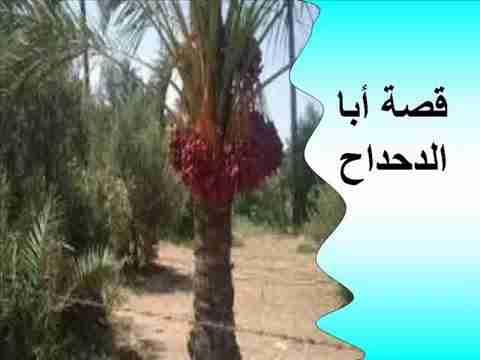

Studying the Prophet’s biography is one of the greatest ways to learn lessons, values, and guidance from the events and actions of Prophet Muhammad (peace be upon him) and his noble companions. It helps Muslims improve their character, correct their behavior, and follow the example of those who devoted their lives to faith and righteousness.
Among the most inspiring stories from the Prophet’s biography is the story of Abu Al-Dahdah, may Allah be pleased with him, who presented a remarkable example of generosity, sacrifice, and charity by choosing the reward of Allah over worldly possessions.
The Prophet’s Generosity.. The Greatest Example of Giving
Prophet Muhammad (peace be upon him) was the ultimate example of generosity and kindness. His giving reached a level unmatched by anyone, as he gave without fear of poverty and never turned away anyone seeking help.
Anas bin Malik, may Allah be pleased with him, narrated that a man came to the Prophet and he gave him sheep filling the space between two mountains. The man returned to his people and said: “O my people, embrace Islam, for Muhammad gives like someone who does not fear poverty.”
Lady Khadijah, may Allah be pleased with her, also described his noble character before his prophethood, saying: “By Allah, Allah will never disgrace you. You maintain family ties, support the weak, help the needy, and honor guests.” These qualities reflected his mercy, generosity, and love for goodness.
Who Was Abu Al-Dahdah?
Abu Al-Dahdah, may Allah be pleased with him, was the noble companion Thabit bin Al-Dahdah bin Nu’aym. He was known among the companions for his faith, courage, and eagerness to perform good deeds.
He participated in the Battle of Uhud. When rumors spread that the Prophet (peace be upon him) had been killed, Abu Al-Dahdah stood among the Muslims and called out: “O people of the Ansar! If Muhammad has been killed, Allah is Ever-Living and never dies, so fight for your religion.”
The Story of Abu Al-Dahdah’s Garden and His Great Charity
One of the greatest moments in Abu Al-Dahdah’s life was when he gave away his garden, including its many palm trees and valuable possessions, seeking the pleasure of Allah.
A man came to the Prophet (peace be upon him) asking for help because a palm tree belonging to another person was preventing him from completing his wall. The Prophet offered the owner of the palm tree a palm tree in Paradise in exchange for giving it away, but he refused.
When Abu Al-Dahdah learned about this, he went to the owner and said: “Sell me your palm tree in exchange for my garden.” The man agreed.
Abu Al-Dahdah then went to the Prophet and informed him that he had purchased the palm tree with his garden and given it to the man. The Prophet said to him: “Give it to him, for I have given it to you.”
The Prophet then gave him the glad tidings:
“How many heavy-laden palm branches Abu Al-Dahdah will have in Paradise.”
He repeated this statement several times, honoring the greatness of Abu Al-Dahdah’s sacrifice and generosity.
Umm Al-Dahdah’s Response.. A Lesson in Faith and Contentment
After returning home, Abu Al-Dahdah called his wife and said:
“O Umm Al-Dahdah, leave the garden, for I have sold it for a palm tree in Paradise.”
Her response showed her strong faith and certainty in Allah’s reward. She said:
“A profitable trade indeed.”
This موقف highlights the importance of spouses supporting each other in acts of goodness and obedience, and how a believing family can become partners on the path of righteousness.
Lessons from Abu Al-Dahdah’s Story
Charity for Allah Is the Greatest Investment
The story teaches that whatever a person gives for Allah’s sake is never lost, and that Allah’s reward is far greater than any worldly gain.
Racing Toward Good Deeds
Abu Al-Dahdah was among those who hurried toward righteousness. He did not hesitate to give his most valuable possession when he learned of the reward awaiting him.
The Prophet’s Education of His Companions
The Prophet (peace be upon him) taught his companions to love charity, generosity, and giving. They competed in good deeds seeking Allah’s pleasure and reward.
Supporting One Another in Worship
Umm Al-Dahdah provided a beautiful example of acceptance and encouragement. She was happy with what her husband did because she knew that what Allah has is better and everlasting.
Giving the Best Possessions in Charity
The companions used to choose their finest possessions for charity, believing that true generosity comes from giving what a person loves most.
Was the Owner of the Palm Tree Wrong for Refusing?
The owner of the palm tree was not sinful because the tree was his personal property, and he was not obligated to give it away. The Prophet encouraged him toward a virtuous act and promised a great reward, but leaving an optional good deed does not mean committing a sin.
Abu Al-Dahdah’s Lasting Legacy in Islamic History
The story of Abu Al-Dahdah remains a powerful example of faith, generosity, and certainty in Allah. He chose the eternal reward over temporary worldly possessions and gave his wealth seeking Allah’s pleasure.
Although he passed away, his story continues to inspire Muslims, reminding them that charity and generosity are among the greatest paths to righteousness, and that what Allah has prepared is far greater and everlasting.
Who was Abu Al-Dahdah?
Abu Al-Dahdah was the companion Thabit bin Al-Dahdah, known for his generosity, faith, and eagerness to do good deeds.
Why did Abu Al-Dahdah give away his garden?
He gave it away seeking Allah’s reward and hoping for the great blessing promised by the Prophet.
What did the Prophet say about Abu Al-Dahdah?
The Prophet said: “How many heavy-laden palm branches Abu Al-Dahdah will have in Paradise.”
What can we learn from Abu Al-Dahdah’s story?
We learn the values of sacrifice, charity, generosity, and trust that Allah’s reward is greater than worldly possessions.
How did Umm Al-Dahdah react to her husband’s charity?
She accepted it with happiness and said: “A profitable trade indeed,” showing her faith and support for good deeds.




