The Conversion of Abu Bakr Al-Siddiq: The First Man to Embrace Islam
Discover the story of Abu Bakr Al-Siddiq's acceptance of Islam, his unwavering faith in Prophet Muhammad ﷺ, and his vital role in spreading Islam.
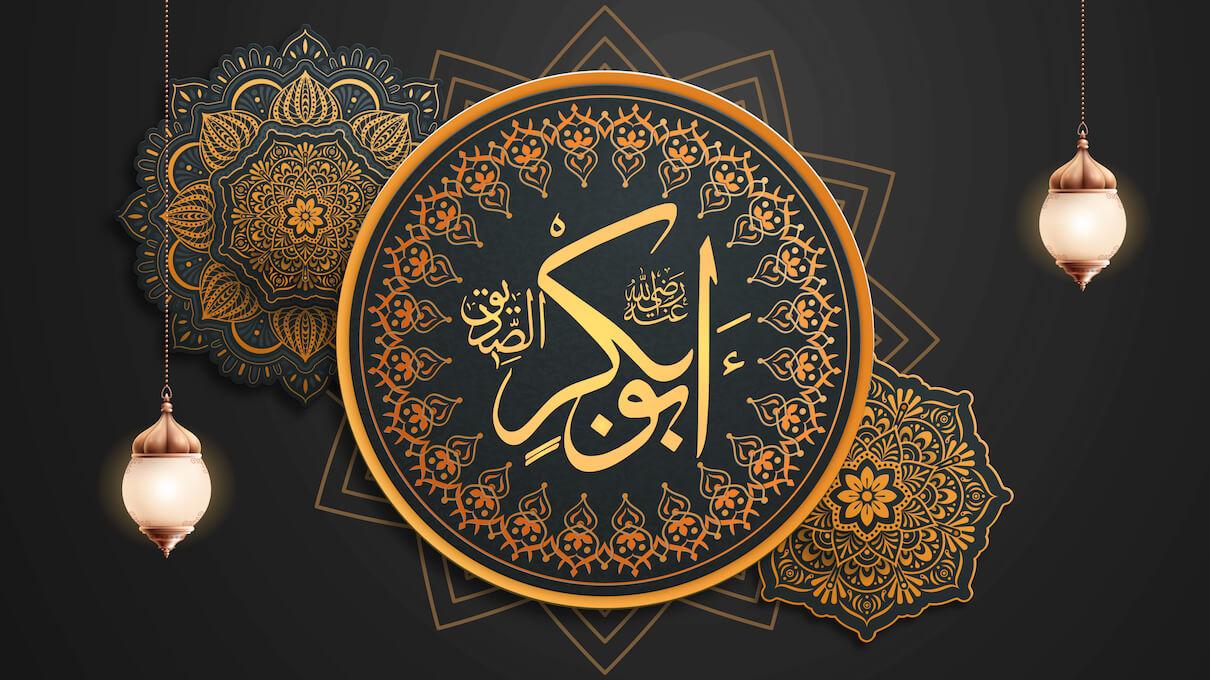

Abu Bakr Al-Siddiq (RA) was the first adult man to accept Islam. His immediate belief in Prophet Muhammad ﷺ marked a turning point in the early days of Islam and greatly strengthened the Muslim community.
How Did Abu Bakr Accept Islam?
When Allah chose Prophet Muhammad ﷺ as His Messenger, he invited his close friend Abu Bakr to Islam. Abu Bakr accepted immediately without hesitation because he knew the Prophet's honesty and integrity better than anyone else.
Why Did Abu Bakr Believe Instantly?
Abu Bakr had known the Prophet ﷺ for many years and trusted his truthfulness completely. He believed that someone who never lied to people would never falsely claim to be a Messenger of Allah.
His Role in Spreading Islam
After embracing Islam, Abu Bakr immediately invited trusted friends to the faith.
Companions Who Accepted Islam Through Him
Among those who embraced Islam through Abu Bakr were: Uthman ibn Affan Al-Zubayr ibn Al-Awwam Abdul Rahman ibn Awf Sa'd ibn Abi Waqqas Talhah ibn Ubaydullah All of them later became among the ten companions promised Paradise.
His Special Status with the Prophet ﷺ
Abu Bakr accompanied the Prophet ﷺ during the Hijrah to Madinah and remained his closest companion throughout his life. The Quran honored this companionship by referring to him as "his companion" in Surah At-Tawbah (9:40).
Why Was He Called Al-Siddiq?
He earned the title Al-Siddiq (The Truthful One) because of his unwavering belief in the Prophet ﷺ, especially after the miraculous Night Journey (Isra and Mi'raj), when he declared, "If he said it, then it is true."
His Lasting Legacy
Abu Bakr dedicated his wealth, influence, and life to supporting Islam. After the Prophet's passing, he became the first Caliph and preserved the unity of the Muslim nation.

Looking for the fastest dua for rizq? Discover authentic Islamic supplications for sustenance, along with the Quranic and Prophetic keys to increasing provision and blessings.
Egypt's Dar Al-Ifta clarifies the Islamic ruling on whether earthquakes are divine punishment and explains whether there is a specific supplication to recite during earthquakes.

Learn the full story of the People of the Sabbath, why Allah punished them, and the important lessons Muslims can learn from this Quranic account.

Ishmael (Ismail) continued his prophetic mission after the great sacrifice, helped Prophet Abraham rebuild the Kaaba, and devoted his life to calling people to worship Allah alone.
