Abu Hurairah: The Companion Who Preserved the Prophet’s Hadith

Discover the life of Abu Hurairah, his real name, lineage, conversion to Islam, the reason behind his famous nickname, and his remarkable role in preserving Prophetic Hadith
  Sun , August 16 2026 / 01:48 PM Updated At: 2026-08-16 13:48:32

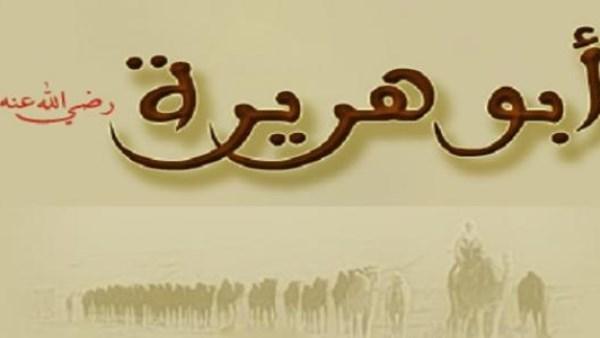
أبو هريرة رضي الله عنه

Who was Abu Hurairah? What was his real name, why was he known by this famous nickname, and how did he become one of the most prominent narrators of the Prophet Muhammad’s Hadith?

Abu Hurairah, may Allah be pleased with him, was Abd al-Rahman ibn Sakhr al-Dawsi al-Yamani, one of the distinguished Companions of the Prophet Muhammad, peace and blessings be upon him. He became especially famous for his exceptional memory, close companionship with the Prophet, and dedication to learning and transmitting Prophetic teachings.

Who Was Abu Hurairah?

Abu Hurairah belonged to the Daws tribe and was among the earliest members of his people to embrace Islam. He later migrated to Medina in the sixth year after the Hijrah.

When he arrived in Medina, he found the Prophet Muhammad, peace be upon him, participating in the campaign of Khaybar, and he joined him there.

From that point onward, Abu Hurairah devoted himself to learning from the Messenger of Allah and preserving his teachings.

Why Was He Called Abu Hurairah?

The Companion became widely known by the nickname Abu Hurairah, which is commonly understood to mean “Father of the Little Cat.”

The nickname was associated with a small cat that he used to carry and play with. It eventually became the name by which he was most widely recognized.

Today, the name Abu Hurairah remains closely connected with the preservation and transmission of Prophetic Hadith.

Abu Hurairah and His Exceptional Memory

One of the most remarkable aspects of Abu Hurairah’s life was his dedication to memorizing the words and teachings of the Prophet.

Abu Hurairah himself explained why he narrated so many Hadith compared with some other Companions. He pointed out that many of the Muhajirun were occupied with trade and the markets, while the Ansar were busy managing their properties and livelihoods.

As for Abu Hurairah, he was among the people of Ahl al-Suffah, and he devoted himself to staying close to the Messenger of Allah.

He would be present when others were absent and remember what others might forget.

This dedication explains a major part of his extensive contribution to the transmission of Prophetic knowledge.

The Prophet and Abu Hurairah’s Ability to Remember

A famous narration found in both Sahih al-Bukhari and Sahih Muslim describes Abu Hurairah’s determination to preserve the Prophet’s words.

The Prophet instructed that whoever spread out his garment while he spoke and then gathered it afterward would not forget what he had heard.

Abu Hurairah followed this instruction, spreading his garment and later gathering it to his chest. He reported that he did not forget anything of the Prophet’s words after that.

The narration illustrates Abu Hurairah’s extraordinary dedication to learning, memorization, and preserving Prophetic teachings.

Abu Hurairah Among the Great Narrators

Abu Hurairah became one of the most prominent transmitters of Prophetic Hadith.

His extensive narration was closely connected to his continuous companionship with the Prophet and his deliberate effort to listen, memorize, and teach.

After the Prophet’s death, Abu Hurairah continued sharing what he had learned with later generations. His knowledge was transmitted through numerous students and became an important part of the Hadith tradition.

Abu Hurairah’s Life After the Prophet’s Death

After the death of the Prophet Muhammad, the Muslim community expanded considerably, and Abu Hurairah continued his work in both public service and education.

During the caliphate of Umar ibn al-Khattab, may Allah be pleased with him, Abu Hurairah was appointed to govern Bahrain for a period before returning to Medina.

During the caliphate of Muawiyah, he also served in Medina at different times as a deputy for Marwan ibn al-Hakam.

Despite holding positions of responsibility, his reputation remained strongly associated with knowledge, worship, and the transmission of Hadith.

Abu Hurairah’s Famous Supplication

Abu Hurairah was deeply concerned about avoiding circumstances that could distract him from devotion and knowledge.

He is reported to have supplicated:

“O Allah, do not let me reach the year sixty, nor the rule of young men.”

Historical sources state that he died around that period, according to reports cited by al-Dhahabi.

Abu Hurairah’s Legacy in Islamic History

The importance of Abu Hurairah lies particularly in his immense contribution to the preservation of the Sunnah.

He transmitted a large body of Prophetic traditions, which were subsequently conveyed through generations of scholars and preserved in the major Hadith collections.

His life demonstrates how dedication, patience, close companionship with teachers, and careful memorization can leave an enduring intellectual and spiritual legacy.

Lessons from the Life of Abu Hurairah

Several important lessons can be drawn from his biography:

  • Dedication to knowledge can overcome difficult circumstances.
  • Using time wisely is essential for learning.
  • Close companionship with teachers can greatly deepen understanding.
  • Memorization and revision help preserve knowledge.
  • Teaching others allows knowledge to continue beyond one’s lifetime.
  • Humility and devotion can accompany great scholarly achievement.

Conclusion

The life of Abu Hurairah was an extraordinary journey of learning, dedication, and service to the Sunnah.

He embraced Islam among the people of Daws, migrated to Medina, closely accompanied the Prophet Muhammad, peace and blessings be upon him, and devoted himself to learning and preserving his teachings.

His remarkable memory and commitment made him one of the best-known narrators of Prophetic Hadith.

His biography remains a powerful reminder that sincere dedication to knowledge can create a legacy that continues across generations.

Who was Abu Hurairah?
Abu Hurairah was Abd al-Rahman ibn Sakhr al-Dawsi, a distinguished Companion of the Prophet Muhammad and one of the most famous narrators of Prophetic Hadith.

Why was he called Abu Hurairah?
He became known by this nickname because he was associated with a small cat that he carried and played with.

When did Abu Hurairah migrate to Medina?
He migrated to Medina in the sixth year after the Hijrah and joined the Prophet during the campaign of Khaybar.

Why did Abu Hurairah narrate so many Hadith?
He devoted himself to accompanying the Prophet and learning from him, while many other Companions were occupied with trade, property, and other responsibilities.

What is Abu Hurairah best known for?
He is best known for his exceptional dedication to preserving and transmitting the Hadith and teachings of the Prophet Muhammad.

Aug 25
صلاة الحاجة

Learn about Salat al-Hajah, the hadith reported concerning it, how the two-rak‘ah prayer is performed, and the supplication traditionally associated with it.
Aug 25
دعاء

There is no single magical dua for provision, but authentic supplications, repentance, taqwa, trust in Allah, family ties, and lawful work are among the important means of seeking Rizq.

Aug 25
دعاء  فك الكرب والهم وجلب الرزق وسداد الدين

Discover powerful Islamic supplications for relief from distress and anxiety, seeking lawful provision, easing difficulties, and asking Allah to help settle debts.

Aug 25
دعاء  الخروج من البيت

Learn the authentic supplications and daily adhkar Muslims can recite when leaving home while seeking Allah’s protection, guidance, and blessings.
