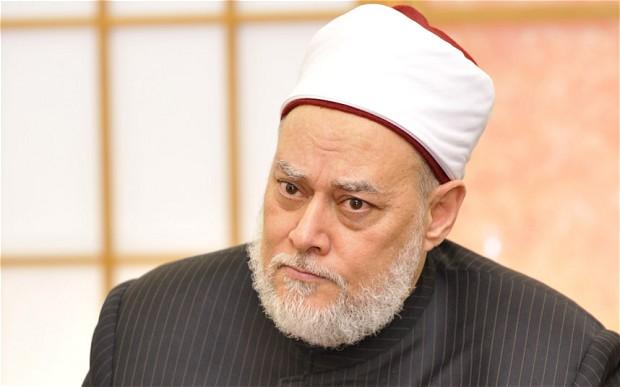
Dr. Ali Gomaa, member of Al-Azhar’s Senior Scholars Council, discussed the story of the disbeliever who was reported to have received relief from punishment because of his happiness at the birth of Prophet Muhammad ﷺ.
The Story of Abu Lahab and Monday Relief
Dr. Ali Gomaa stated that Al-Abbas ibn Abdul Muttalib reportedly saw Abu Lahab in a dream after his death and asked him about his condition.
According to the narration mentioned by scholars, Abu Lahab replied that his punishment was reduced every Monday because he rejoiced at the birth of Prophet Muhammad ﷺ.
Ali Gomaa explained that scholars reflected on this narration as an indication of the honor and status of the Prophet ﷺ, noting that even a disbeliever could receive such mercy due to his connection with the Prophet’s birth.
Celebrating the Prophet’s Birth
Ali Gomaa explained that Muslims in Egypt and around the world commemorate the Prophet’s birth during the month of Rabi’ al-Awwal.
He stated that scholars consider the Prophet’s birth a blessed occasion that reminds Muslims to thank Allah for the blessing of sending Prophet Muhammad ﷺ.
The Prophet’s Inner and Outer Beauty
Ali Gomaa emphasized that Prophet Muhammad ﷺ combined noble character, spiritual beauty, and righteous actions.
He explained that Muslims should improve both their outward behavior through acts of worship and their inner selves through noble values.
The Meaning of True Reliance on Allah
The scholar highlighted the importance of true reliance on Allah, referring to the prophetic teaching:
"If you relied upon Allah with true reliance, He would provide for you as He provides for the birds."
He explained that reliance on Allah does not mean abandoning effort, but rather taking the necessary steps while trusting Allah.
Difference Between Reliance and Neglecting Causes
Ali Gomaa stressed that there is a difference between true trust in Allah and passive dependence.
True reliance requires effort and using available means, while abandoning all efforts is considered negligence.
He gave the example of a farmer who must plant seeds before expecting a harvest, explaining that success requires both action and faith.
How Did the Prophet Demonstrate True Reliance?
Ali Gomaa explained that Prophet Muhammad ﷺ was the greatest example of trust in Allah.
Despite Allah’s protection of him, the Prophet ﷺ still took practical measures, such as preparing armor and making proper plans during battles.
Who was the disbeliever reported to have received relief from punishment?
It was Abu Lahab, according to the narration mentioned by scholars.
Why was Abu Lahab’s punishment reduced?
The narration states it was because he rejoiced at the birth of Prophet Muhammad ﷺ.
Does reliance on Allah mean abandoning work?
No, true reliance combines effort with trust in Allah.
What is the difference between reliance and passive dependence?
Reliance includes taking action, while passive dependence means abandoning necessary efforts.