Accepted Dua: The Best Authentic Supplications and Etiquette of Prayer

Discover the best authentic supplications from the Quran and Sunnah, along with the proper etiquette of making dua and the most recommended times to seek Allah’s response.

  Tue , July 14 2026 / 12:26 PM Updated At: 2026-07-14 12:26:10

What Is the Best Dua for an Answered Prayer?

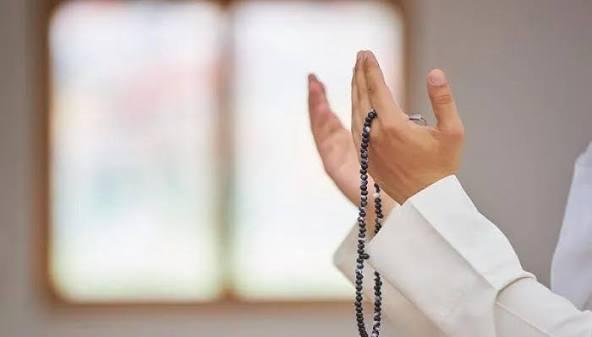
Dua is one of the greatest acts of worship in Islam. Muslims are encouraged to begin their supplication by praising Allah, glorifying Him, and sending blessings upon the Prophet Muhammad ﷺ before asking for their needs.

Authentic supplications from the Quran and Sunnah are among the most beloved forms of remembrance and are hoped to be accepted by Allah.

Begin With Praise of Allah and Blessings Upon the Prophet ﷺ

One of the recommended etiquettes of dua is to start by praising Allah and acknowledging His greatness, followed by sending peace and blessings upon the Prophet Muhammad ﷺ.

This is considered one of the means of increasing the hope that a supplication will be accepted.

Dua Using Allah’s Greatest Name

Among the authentic supplications is:

“O Allah, I ask You because all praise belongs to You. There is no deity except You, the Bestower of favors, the Originator of the heavens and the earth, O Possessor of Majesty and Honor, O Ever-Living, O Sustainer.”

Another narration includes:

“O Allah, I ask You because all praise belongs to You. There is no deity except You, the Bestower of favors, the Originator of the heavens and the earth, O Possessor of Majesty and Honor, O Ever-Living, O Sustainer, fulfill my need.”

The Supplication of Prophet Yunus (Dhul-Nun)

One of the greatest supplications mentioned in the Quran and Sunnah is the prayer of Prophet Yunus (Jonah):

“There is no deity except You. Glory be to You. Indeed, I have been among the wrongdoers.”

Muslims frequently recite this supplication during times of hardship, hoping for Allah’s mercy and relief.

Etiquette That Increases the Hope of an Answered Dua

There are several recommended manners when making dua, including:

Having Certainty in Allah’s Response

A believer should supplicate with complete confidence that Allah hears every prayer and responds according to His wisdom, without becoming impatient if the answer is delayed.

Persisting in Supplication

Repeating and consistently making dua, especially during blessed times, is among the recommended practices in Islam.

Praying With a Present Heart

A sincere, attentive heart filled with humility and devotion is one of the important etiquettes of making dua.

Best Times to Make Dua

Certain times are especially recommended for making supplications, including:

The Last Third of the Night

This is one of the most virtuous times for prayer, seeking forgiveness, and asking Allah for one's needs.

Between the Adhan and Iqamah

The period between the call to prayer and the beginning of the congregational prayer is considered a blessed time for dua.

During Sujood (Prostration)

A servant is closest to Allah while in prostration, making it one of the best moments to increase supplication.

The Importance of Dua in a Muslim’s Life

Dua reflects complete reliance upon Allah, humility before Him, and hope in His mercy and generosity.

It strengthens a Muslim’s relationship with Allah, brings peace to the heart, and reminds believers to seek His help in both times of ease and hardship while trusting His perfect wisdom.


What is one of the best accepted duas?

Among the greatest authentic supplications are: “O Allah, I ask You because all praise belongs to You...” and the dua of Prophet Yunus: “There is no deity except You. Glory be to You. Indeed, I have been among the wrongdoers.”

How should I begin my dua?

It is recommended to begin by praising Allah, then sending blessings upon Prophet Muhammad ﷺ before making your personal supplication.

What are the best times for dua?

The last third of the night, the time between the Adhan and Iqamah, and during prostration (Sujood) are among the most recommended times.

Is certainty important when making dua?

Yes. Muslims are encouraged to ask Allah with complete trust and confidence in His wisdom and mercy, without becoming impatient.

Can I make dua in my own words?

Yes. A Muslim may ask Allah for any lawful good in this life and the Hereafter while also benefiting from the authentic supplications found in the Quran and Sunnah.

Aug 02
ادعية لحماية الاولاد

Learn about the best ways to protect children from harm through Islamic spiritual protection, Prophetic supplications, and daily remembrances that help provide protection by the permission of Allah.

Aug 02
صلاة الاستخارة

Learn how to perform Salat al-Istikhara, its authentic supplication, and the Islamic ruling on interpreting dreams related to important life decisions.
Aug 02
زينب السعيد

Learn about the Islamic ruling on women praying in a country without a mosque, whether praying at home is sufficient, and whether women can establish congregational prayer at home.
Aug 02
دعاء

Learn about the concept of an answered dua, the reasons behind accepting supplications, and powerful prayers from the Quran and Sunnah for relief, رزق, and fulfilling needs.
